State-of-the-art continuous thermal cracking, gas scrubbing, and waste-to-energy technologies optimized for low carbon footprint and high circular economy yield.
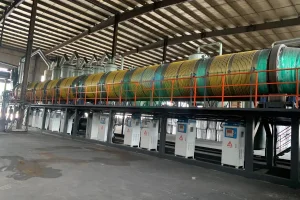
Fully automated electrical heating configuration designed for zero localized flue emissions and highly stable depolymerization temperatures.
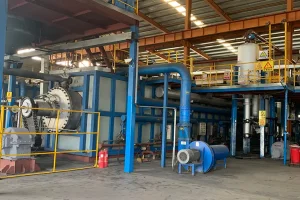
Integrated screw propulsion design offering continuous raw material feeding, active carbon residue discharge, and optimal dwell-time control.
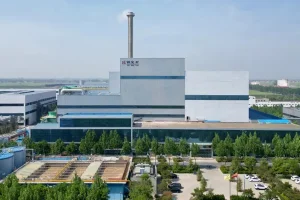
Comprehensive thermodynamic waste processing line that efficiently channels syngas and heat output for heavy industrial utility scale operations.
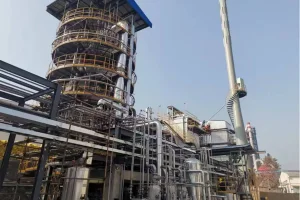
Engineered for heavy-duty municipal and industrial solid waste, providing safe, high-volume recovery structures with minimized thermal losses.
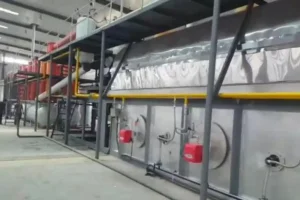
Optimized for rubber powder raw materials, facilitating fast heating rates and precision condensable hydrocarbon collection systems.
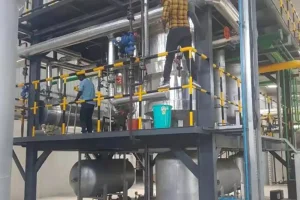
Secondary distillation systems that transform raw pyrolysis crude into high-value diesel substitutes or industrial fuel oil.
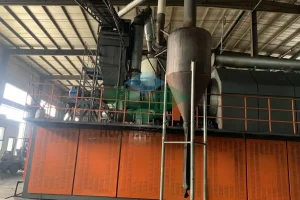
Custom designed to directly process coarse 5-10cm shredded tires, reducing upfront shredding utility costs significantly.
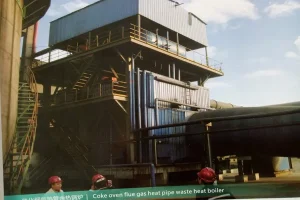
High-efficiency shell-and-tube configurations designed to recover thermal energy from high-temperature exhaust gas streams.
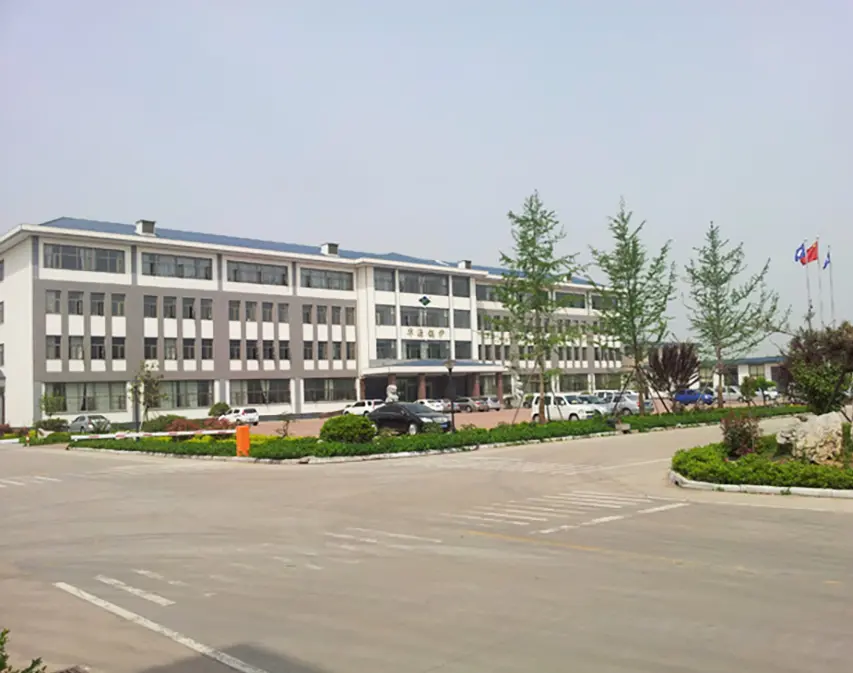
Founded in 1968, Huayuan Tech has developed from a pioneering regional boiler repair works into an internationally recognized market leader in waste-to-energy and pyrolysis systems. Over the course of 55+ years, we have prioritized high-quality engineering, strict compliance certifications, and reliable thermodynamic integration.
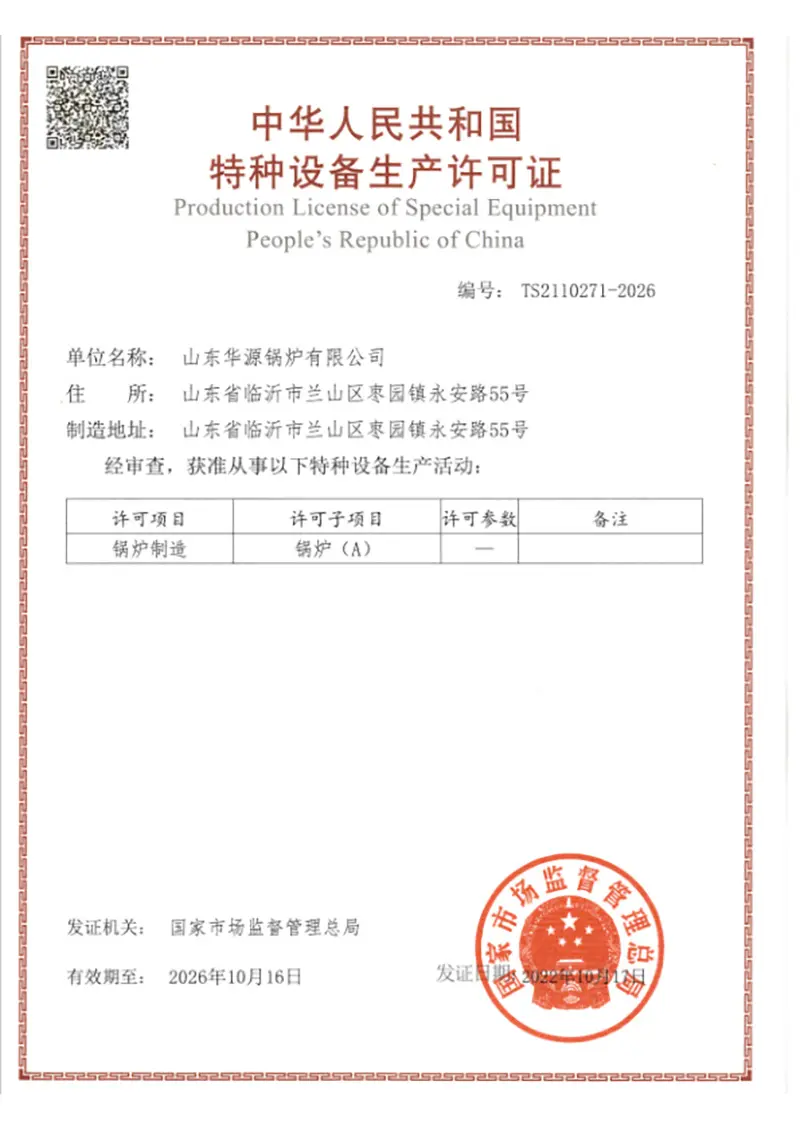
Our core operations occupy a massive 209,335 square meter site with a modern 98,680 square meter plant area. We host more than 500 skilled professionals, with engineering and technical specialists representing 34% of our entire workforce. Equipped with complete A-class boiler licensing and advanced D1/D2 pressure vessel design certificates, we manage heavy-duty fabrication processes entirely in-house.
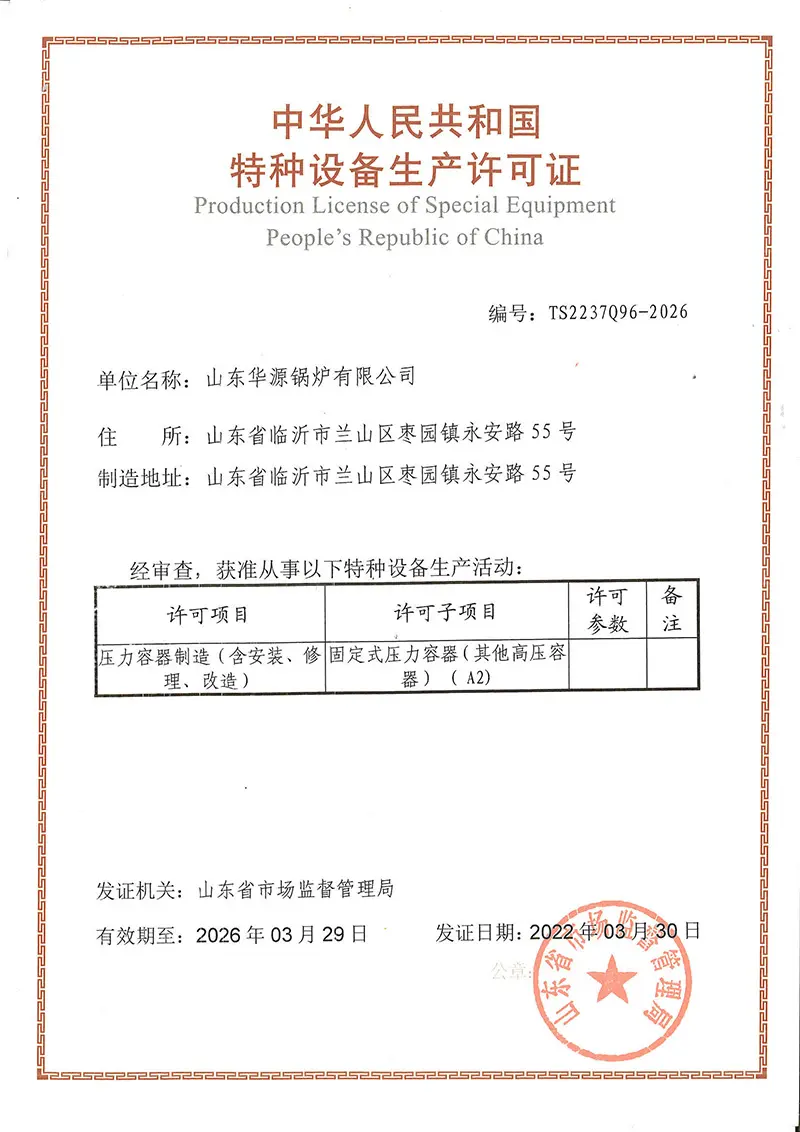
Our design, manufacturing, and installation facilities meet international standards, holding ISO9001, ISO14001, OHSAS18001 certifications alongside the prestigious United States ASME certification. We are fully licensed to manage complex contract energy management projects and high-efficiency thermal integrations.
How macro-economic shifts, policy updates, and thermal depolymerization advances are reshaping the recycling landscape.
With global regulations enforcing high-purity recycled content targets in plastic manufacturing, standard mechanical recycling is reaching its thermodynamic limits. Chemical recycling—via continuous pyrolysis systems—breaks polymers down to their monomer stages, allowing manufacturers to create food-grade circular materials.
Global sourcing trends prioritize thermal plant configurations that optimize internal waste heat utilization. The combination of heat recovery steam generators (HRSG) and continuous pyrolytic oil refining minimizes direct operational fuel usage, aligning facilities with international carbon credit architectures.
Batch processing systems are increasingly replaced by high-throughput continuous operations. These configurations feature screw-driven dynamic feeds, oxygen-free continuous discharge locks, and real-time SCADA pressure adjustments to maintain safety and production consistency.
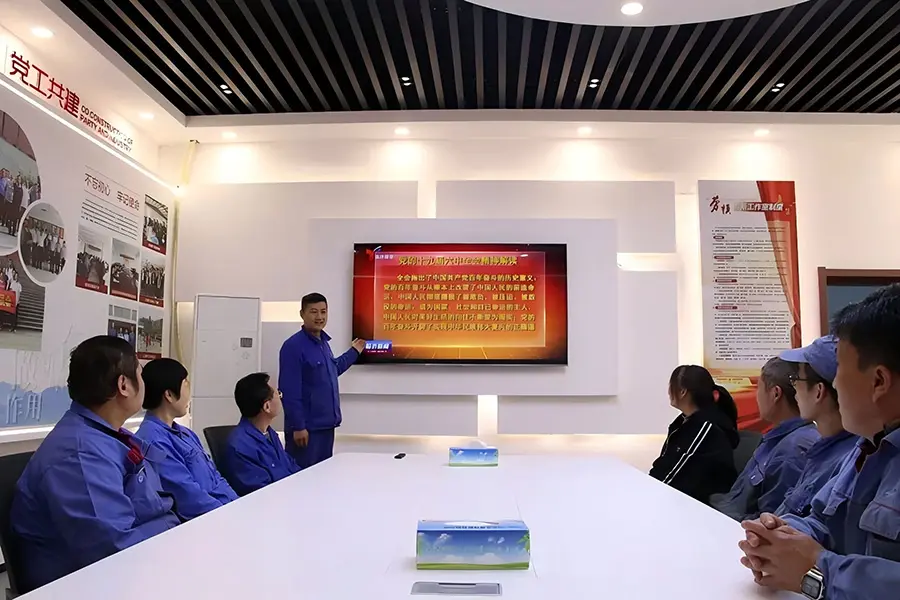
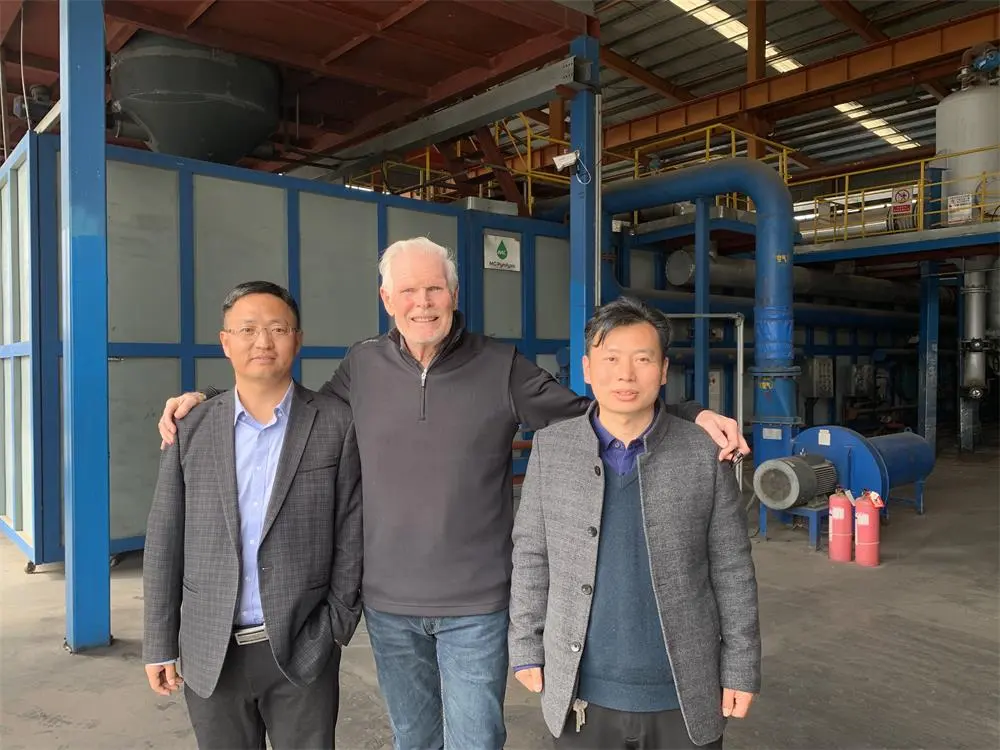
At Huayuan Tech, technological development is integrated into our long-term business values. Environmental protection and thermal efficiency dictate our research, while production and research partnerships allow us to introduce modern thermodynamic solutions to global markets.
By integrating Class-A boiler engineering with proprietary pyrolysis technologies, we build system configurations that balance structural safety with thermodynamic yield.
Tracing more than five decades of industrial manufacturing growth, technological breakthroughs, and global engineering milestones.
 1968
1968
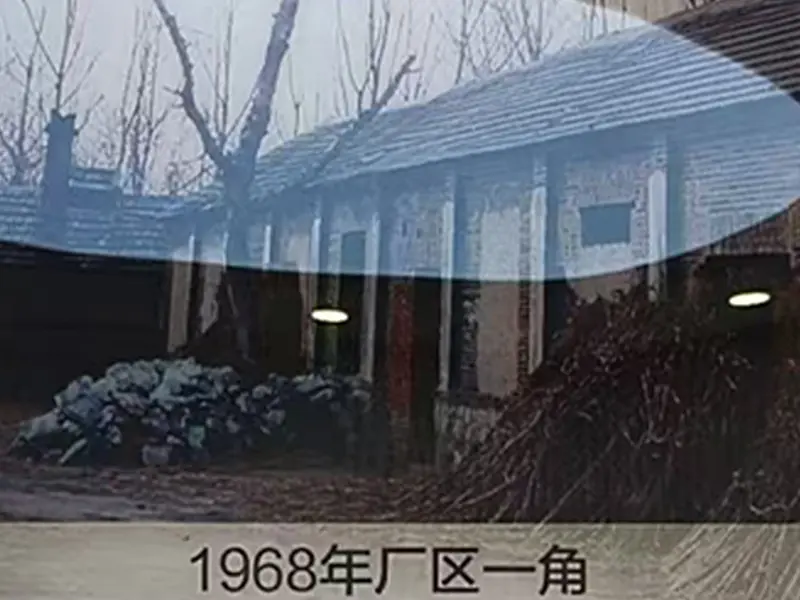
Huayuan Technology initiated its first thermodynamic developments, building core industrial boiler system methodologies in regional workshops.
 1975
1975
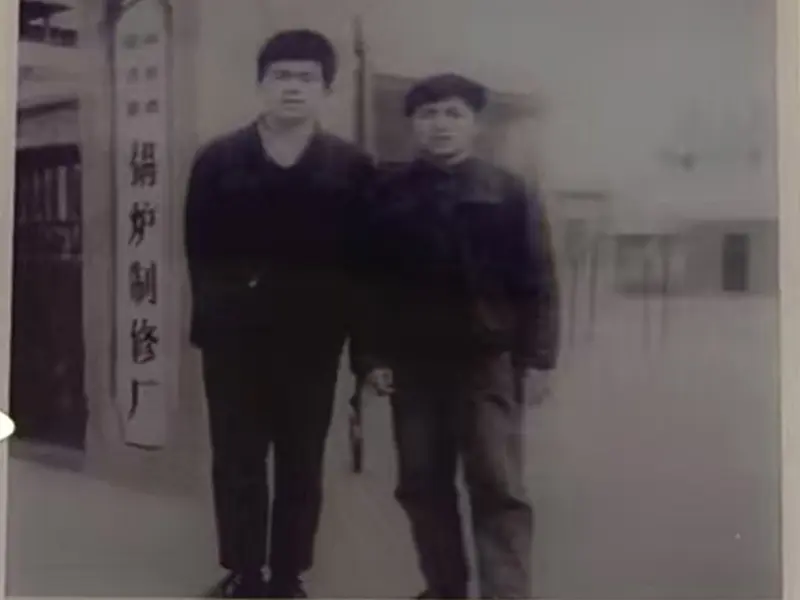
Restructured as Linyi County Boiler Manufacturing and Repair Factory, expanding formal machinery operations under the Linyi County Industrial Bureau.
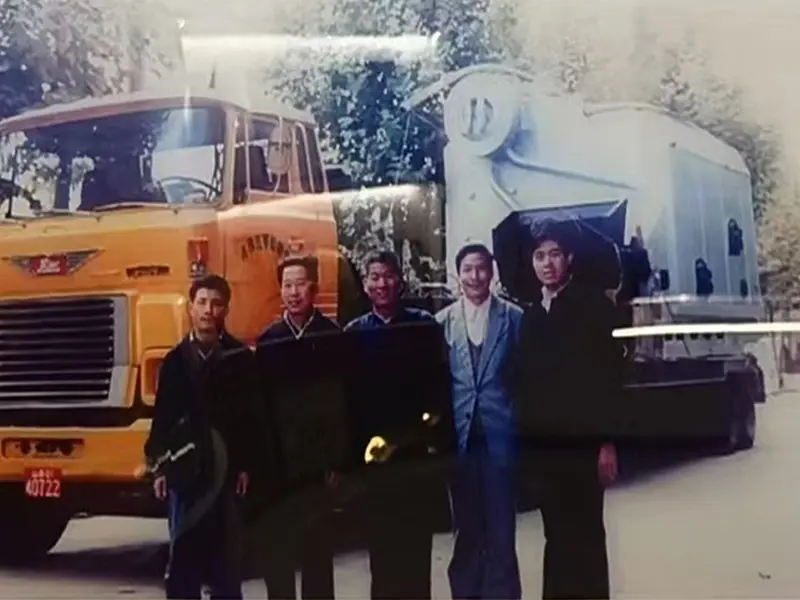 1981
1981
Renamed Linyi Boiler Factory and merged with Linyi Auto Parts Factory. Relocated manufacturing units to a centralized site at 373 Tongda Road.
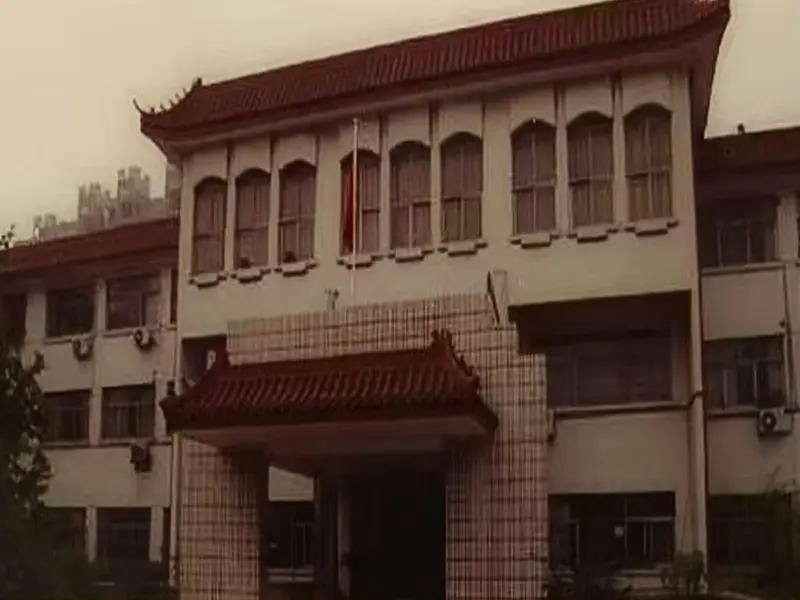 1997
1997
Successfully transitioned into Linyi Boiler Co., Ltd., establishing corporate structures to facilitate subsequent global standard integration.
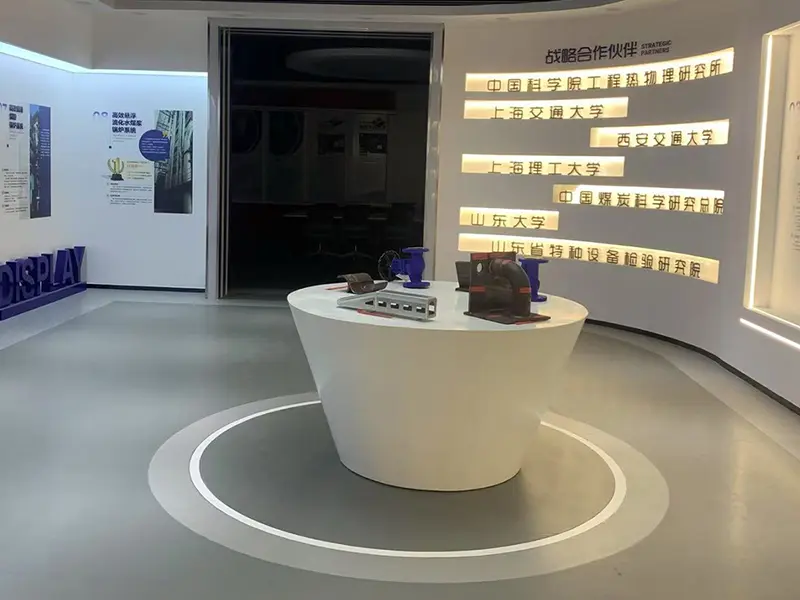 2003
2003
Completed organizational restructuring to align with modern corporate management, engineering practices, and international technical regulations.
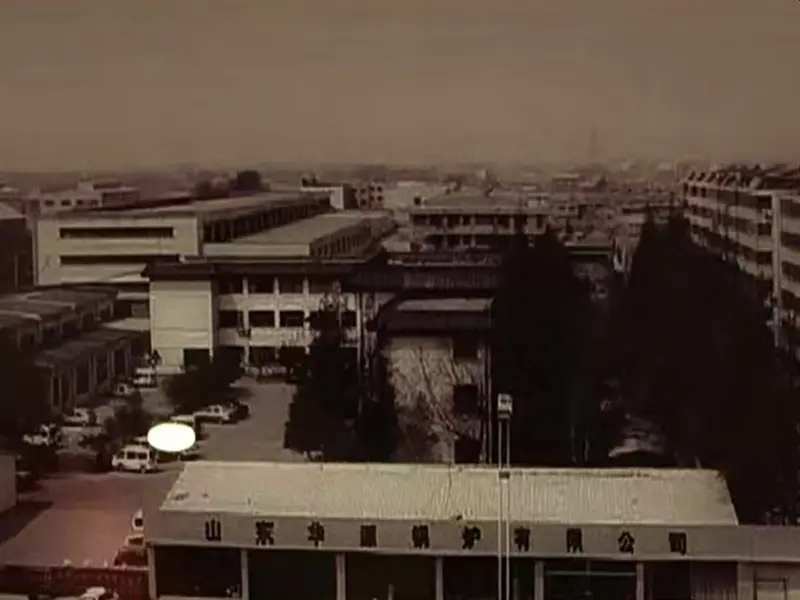 2005
2005
Obtained the National A-level Boiler Manufacturing License and three core ISO certifications. Initiated batch waste tire pyrolysis system production.
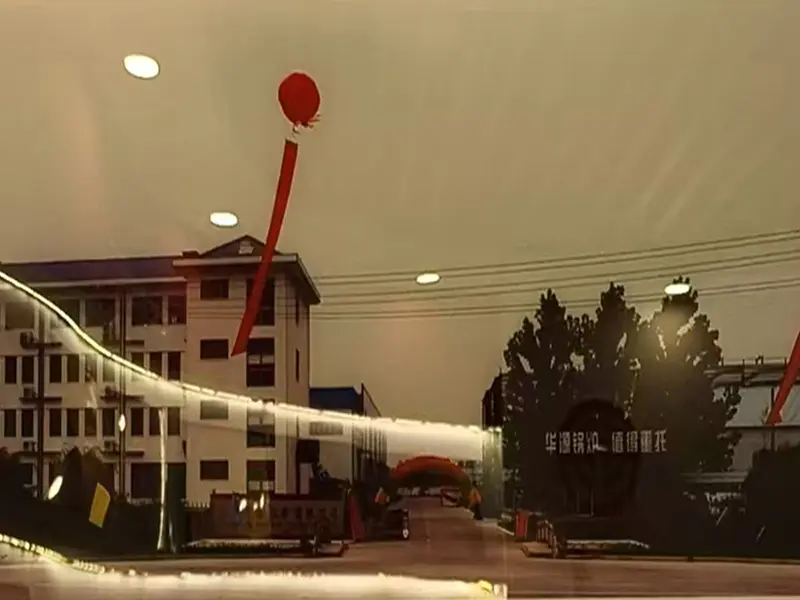 2010
2010
Relocated to our current 220-acre facility in Zaoyuan Town Industrial Park. Commenced custom engineering of continuous-model pyrolysis plants.
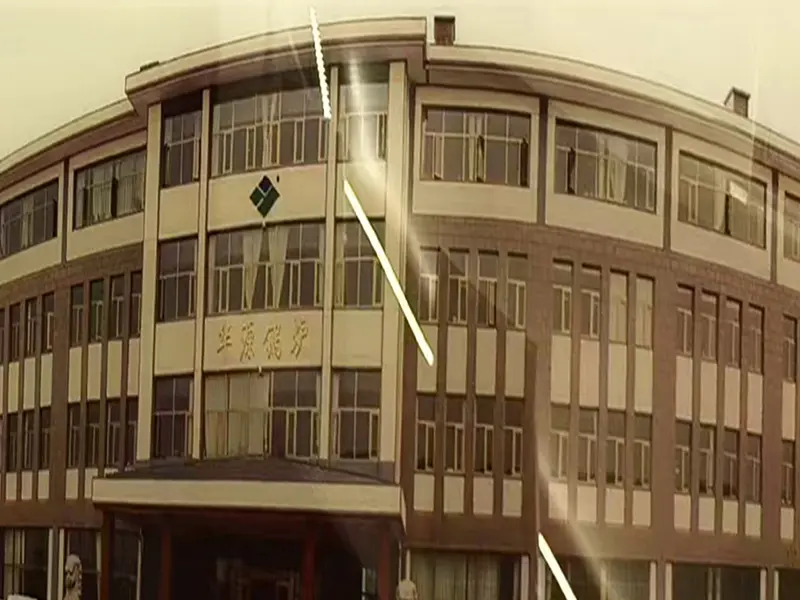 2018
2018
Launched our continuous screw-pyrolysis systems. Earned United States ASME certification, establishing the Huayuan brand internationally.
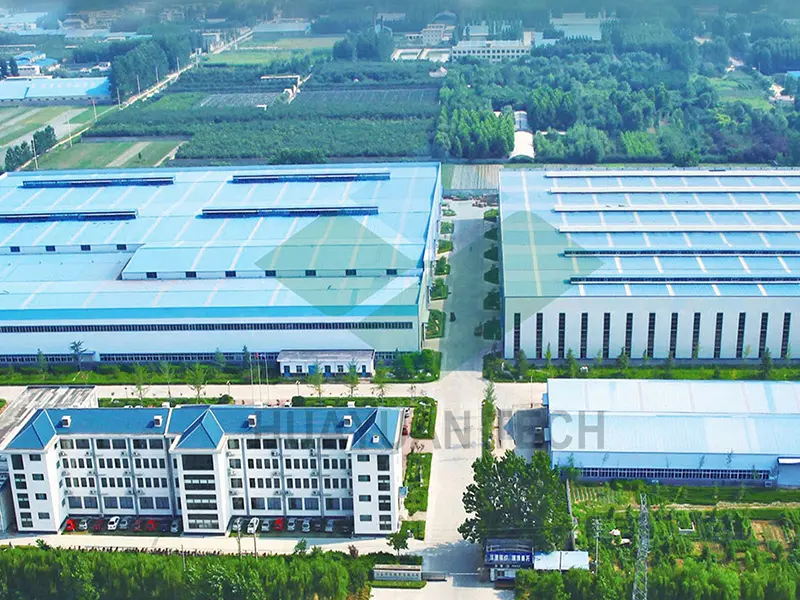 2021
2021
Strengthened our environmental protection initiatives, developing systems that support carbon-neutral chemical recycling processes globally.
Our design, manufacturing, and installation facilities meet international standards, including ASME, ISO, and Class-A pressure vessel regulations.
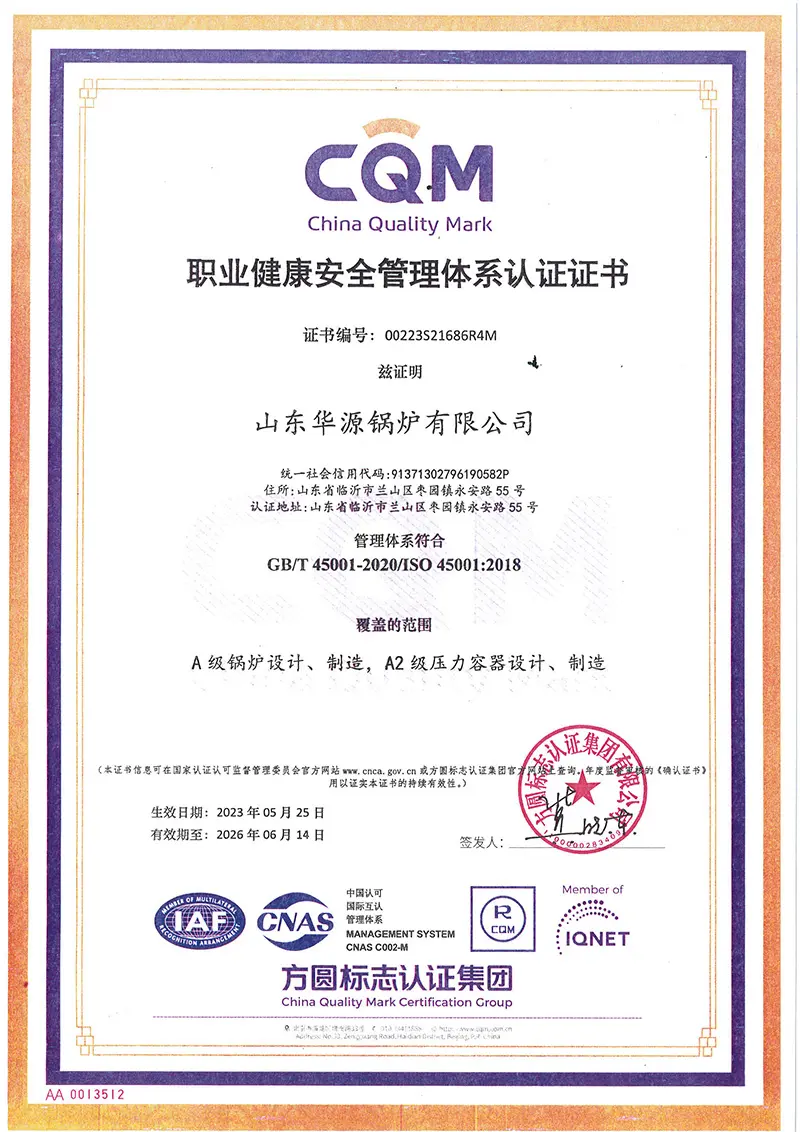
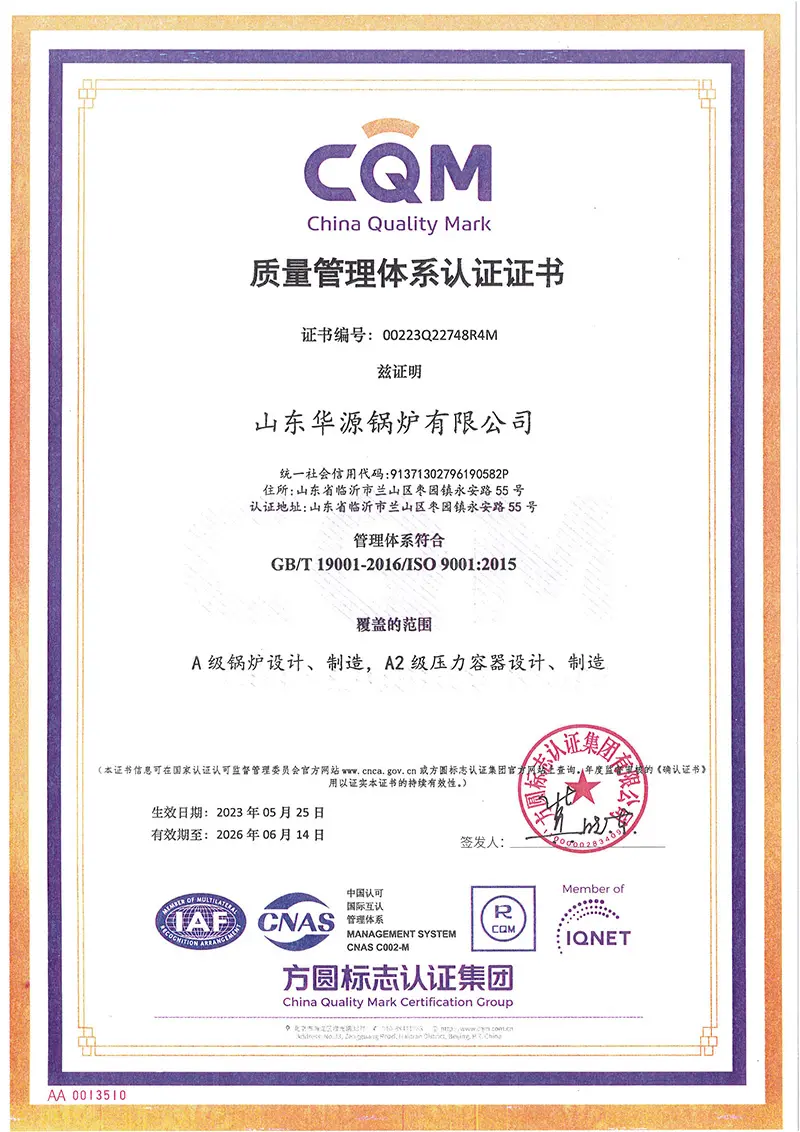
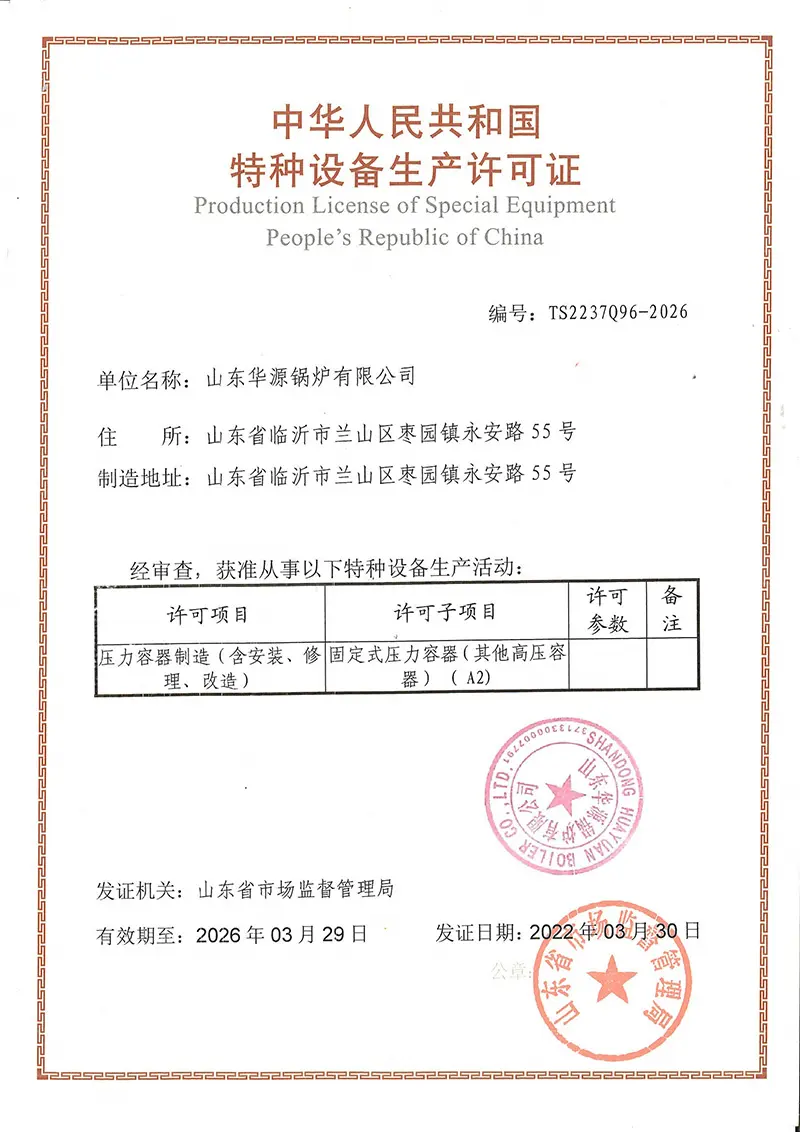
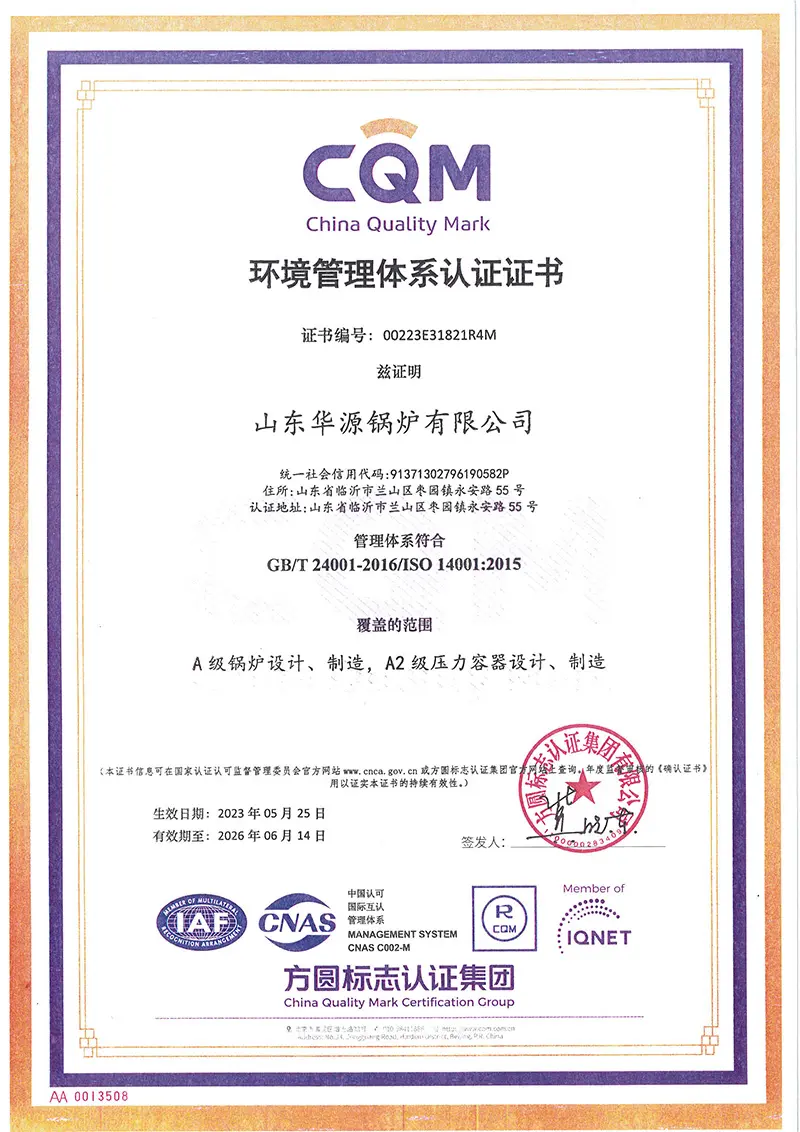
Comprehensive industrial configurations spanning custom boiler production, ASME pressure vessel engineering, and large-scale waste tire and plastic recycling plants.
A-Class certified boiler solutions designed for efficient steam, hot water, and high-temperature thermal oil systems.
Learn More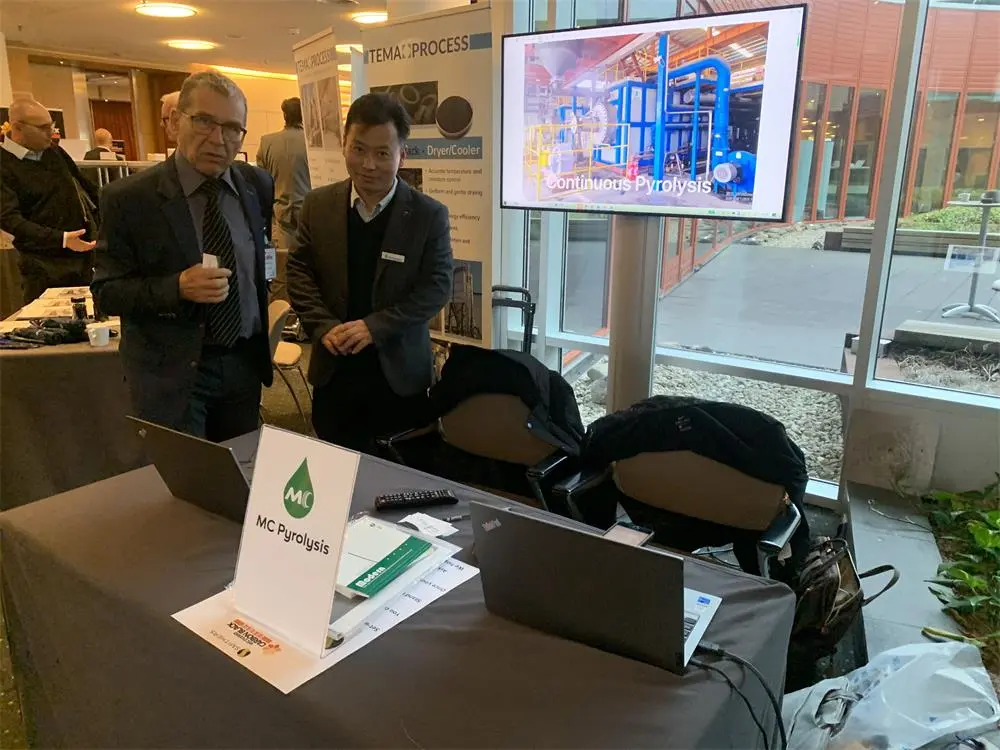
D1 & D2 certified design and fabrication of safe, high-pressure reaction vessels and continuous reactors.
Learn More
High-capacity continuous systems designed for automated plastic and tire waste feedstock recovery.
Learn More
Systems engineered to redirect carbon and gaseous outputs back into boiler heat and steam loops.
Learn More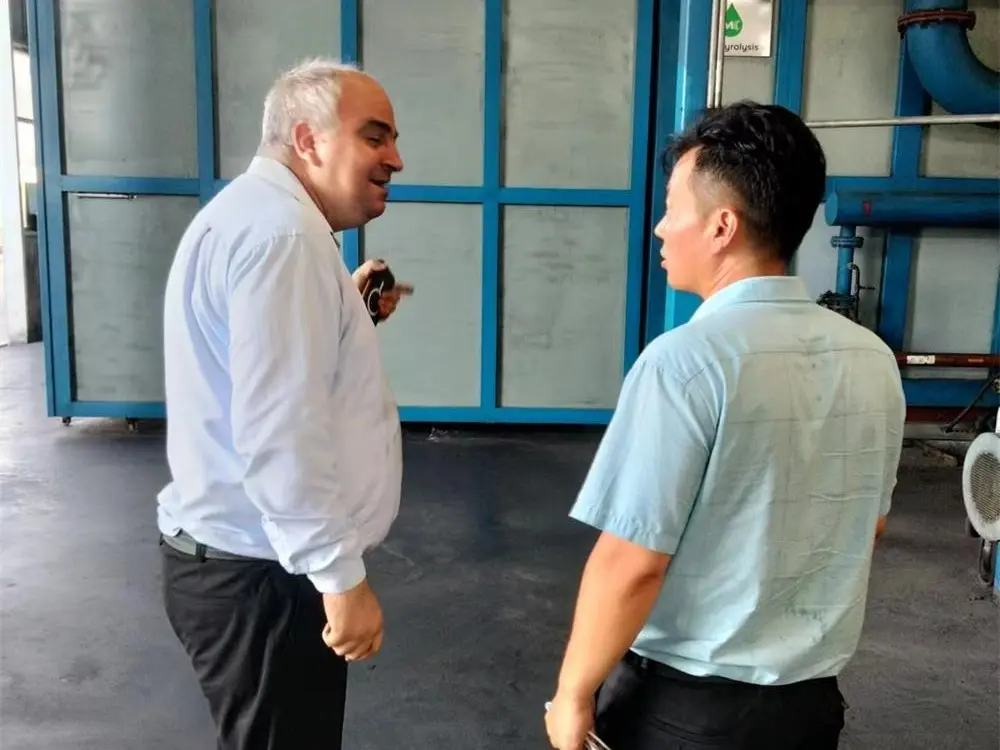
Refinement systems that convert heavy pyrolytic crude into high-value diesel substitutes.
Learn More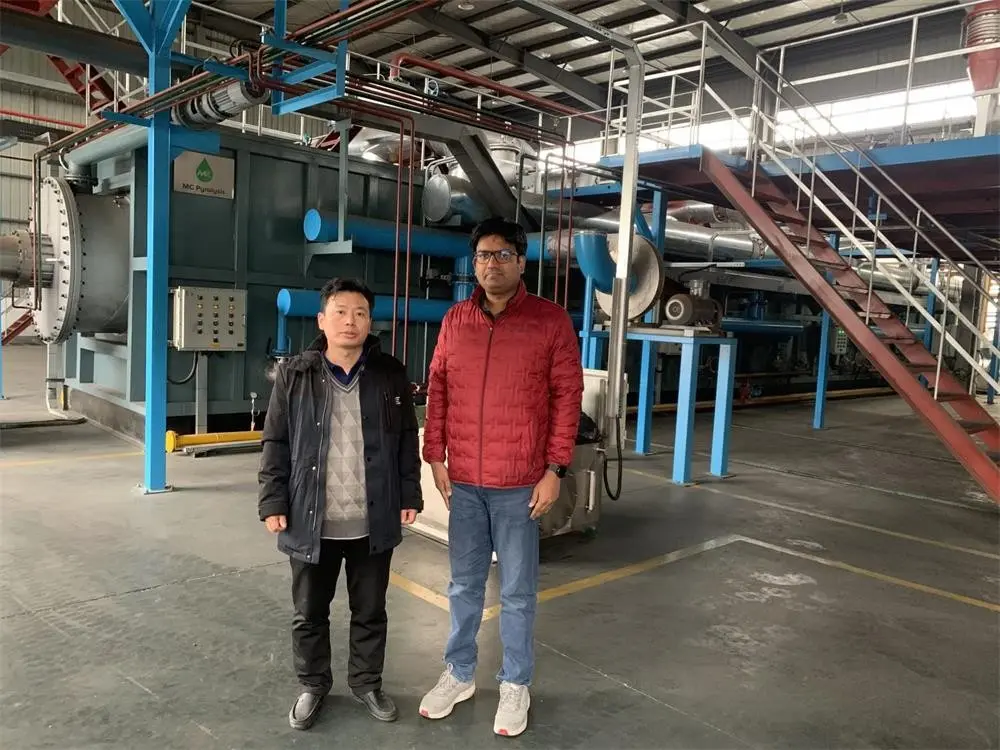
Acid scrubbing and particulate extraction systems compliant with strict global emission limits.
Learn More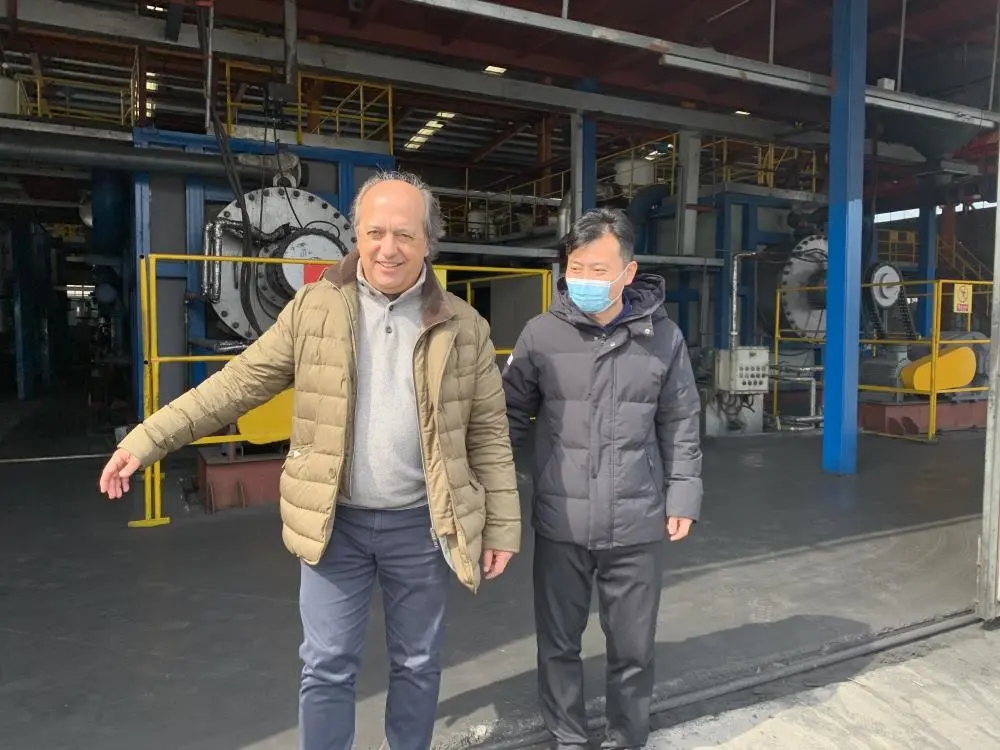
Milling and pelletizing systems that process raw carbonaceous residue into industrial grade carbon black.
Learn More
Comprehensive plant layout, structural calculation, installation support, and commissioning services.
Learn More
Real-time SCADA tracking, temperature monitoring, and safety valves integration.
Learn MoreExploring thermal cracking mechanics, mass balance expectations, and emission control strategies for modern plastic waste treatment.
Pyrolysis represents the thermochemical decomposition of organic materials at elevated temperatures in the absence of oxygen. Unlike incineration, which is an oxidative combustion process yielding carbon dioxide and ash, pyrolysis chemical recycling breaks down polymer chains (such as polyethylene, polypropylene, and polystyrene) into hydrocarbon fractions. These fractions are collected as liquid condensables (pyrolytic oil), non-condensable synthetic gas (syngas), and solid residue (char/carbon black).
Polymer feedstocks enter the primary rotary reactor under oxygen-free conditions. Thermal energy is transferred to the material bed, raising temperatures to between 380°C and 450°C. Within this range, carbon-carbon bonds break, initiating catalytic depolymerization. Continuous screw systems regulate feedstock residence time to ensure complete volatilization without excessive char formation.
Volatilized hydrocarbon gases travel through a multi-stage condenser system. High-boiling fractions condense first to yield heavy industrial oils, while low-boiling components exit as light oil fractions. The non-condensable syngas (comprising methane, ethane, and hydrogen) is scrubbed and routed directly to the reactor's heating burners, significantly reducing external energy requirements.
Achieving consistent oil yields from municipal solid waste and sorted plastic scraps requires strict control over raw material moisture levels and contaminant concentrations (specifically PVC and moisture). If moisture levels exceed 10%, thermal efficiency drops as heat is spent vaporizing water. This dilution of syngas streams also increases the risk of acidic condensate formation.
Our continuous systems feature integrated multi-stage drying and pre-treatment units to control moisture levels. Additionally, our design incorporates in-line neutralizing agents to safely handle PVC concentrations up to 5%, preventing hydrochloric acid corrosion in the downstream condenser pipes.
Under optimal temperature conditions (420°C) using clean PP/PE plastic granules, typical plant outputs yield: **70% to 80% pyrolytic oil**, **10% to 15% non-condensable syngas** (routed back as fuel), and **5% to 10% solid carbonaceous residue**. Liquid products feature a net calorific value ranging between 41 and 43 MJ/kg, making them suitable feedstocks for chemical cracking towers or heavy combustion systems.
Frequently asked engineering, regulatory, and mechanical questions regarding industrial waste pyrolysis plants.
High-durability continuous systems, batch refinement units, and custom waste-heat boiler setups designed for heavy industrial use.
Zero localized carbon emissions profile ideal for highly regulated urban locations.
Continuously processes scrap tire powder and mixed polyolefins with minimal downtime.
Converts bulk solid municipal wastes into process steam and electrical grid inputs.
Heavily reinforced rotary kiln design built to process heterogeneous industrial wastes.
Combines batch flexibility with continuous emission processing to optimize yield control.
Converts pyrolytic char into fine carbon black suitable for rubber compounding applications.
Distillation columns designed to extract clear fuel oils from dark crude liquids.
Reclaims thermal energy from high-temperature flue gases to maximize operational efficiency.
 Huayuan