Global Clean Energy & Waste Upcycling Technology

High-Quality Post Industrial Scrap Supplier & Factory

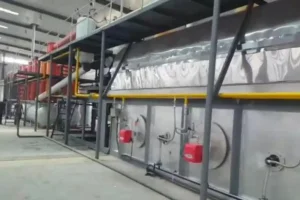
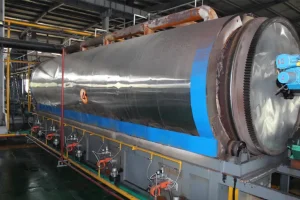
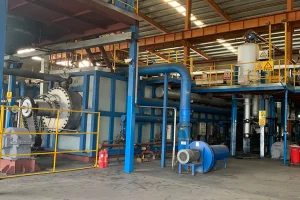
High-Performance Industrial Recovery Equipment

Engineered for max conversion efficiency, our zero-emission continuous pyrolysis and energy recovery systems transform industrial waste into high-value chemical feedstocks.
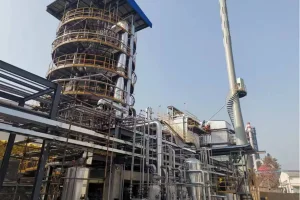
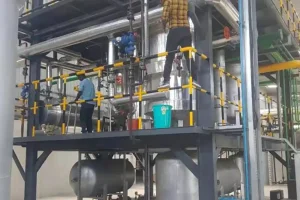
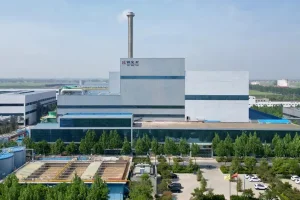
Industrial Solid Waste to Energy Plant

High-Quality Industrial Solid Waste to Energy Plant Manufacturers

Technical Details
Pyrolysis Oil Refining Plant

Cheap Pyrolysis Oil Refining Plant Factories

Technical Details
Continuous Pyrolysis Plant Rubber Powder

High-Quality Continuous Pyrolysis Plant (Rubber Powder As Feedstock)

Technical Details
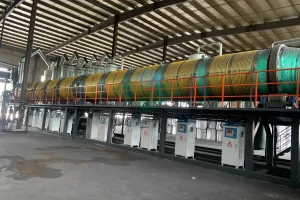
Semi-Continuous Rotary Kiln Pyrolysis Plant

High-Quality Semi-Continuous Rotary Kiln Pyrolysis Plant

Technical Details
Waste to Energy Plant

High-Quality Waste to Energy Plant Suppliers

Technical Details
Continuous screw pyrolysis plant

Cheap Continuous Screw Pyrolysis Plant Manufacturers

Technical Details
Electrical Heating Pyrolysis Plant

Cheap Electrical Heating Continuous Pyrolysis Plant Manufacturers

Technical Details
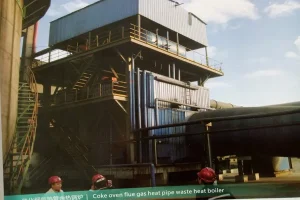
Waste Heat Boiler

High-Quality Waste Heat Boiler Suppliers & Factories

Technical Details

Pioneering Industrial Decarbonization Since 1968

Focusing strictly on waste-to-energy and waste tire/plastic pyrolysis technologies, Huayuan Tech has established itself as an authoritative leader in high-temperature thermal conversion systems. Founded in 1968, our manufacturing ecosystem spans a massive footprint of 209,335 square meters with a state-of-the-art enclosed plant area covering 98,680 square meters.

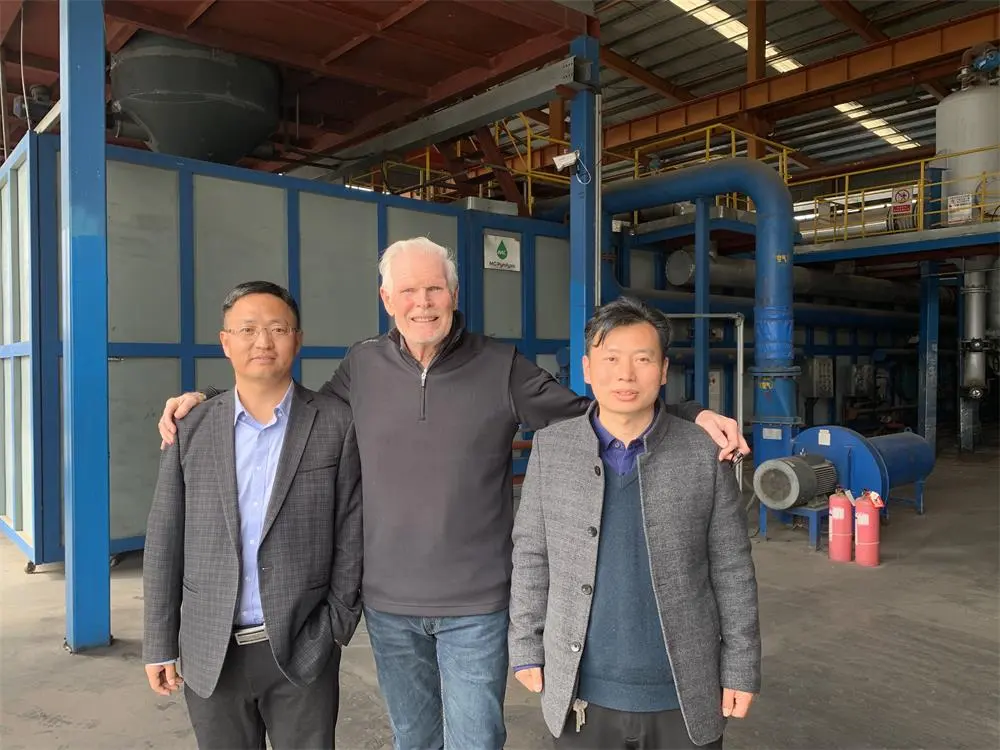
Our multidisciplinary workforce comprises over 500 dedicated professionals, where engineering R&D and technical specialists represent more than 34% of total personnel. As a certified global manufacturer holding National A-class Boiler and Pressure Vessel permits, we integrate heavy industrial manufacturing precision with advanced molecular recycling research.
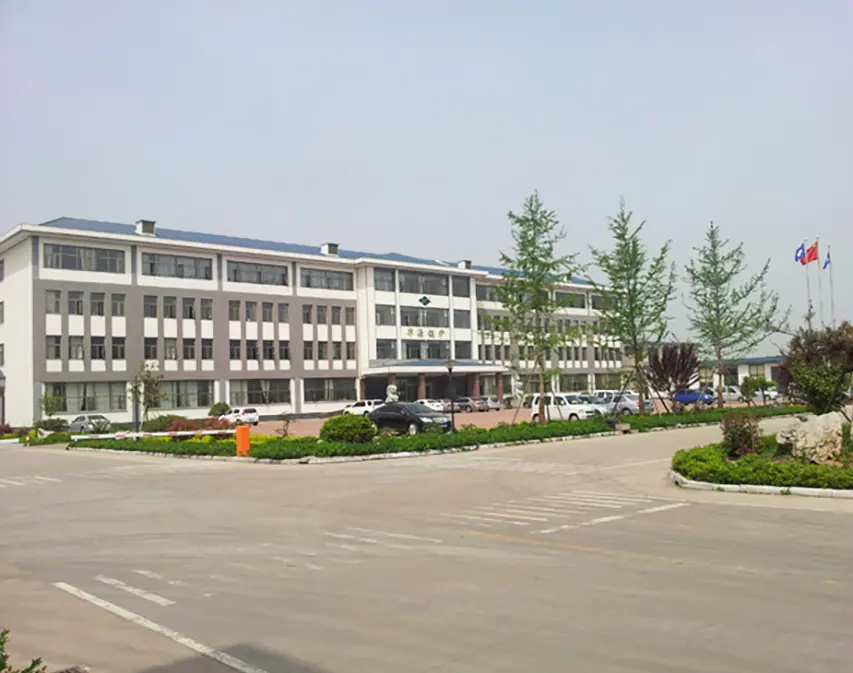
"Unswervingly pursuing technological innovation and building strong enterprise core competitiveness remains our long-term strategic pillar. By combining environmental preservation with thermodynamic engineering, we redefine post-industrial waste management."
Huayuan Tech Manufacturing Base
1968
Year Established
500+
Expert Staff
209,335m²
Factory Area
34%
Engineers & R&D

Advanced Thermal System Manufacturing Capabilities

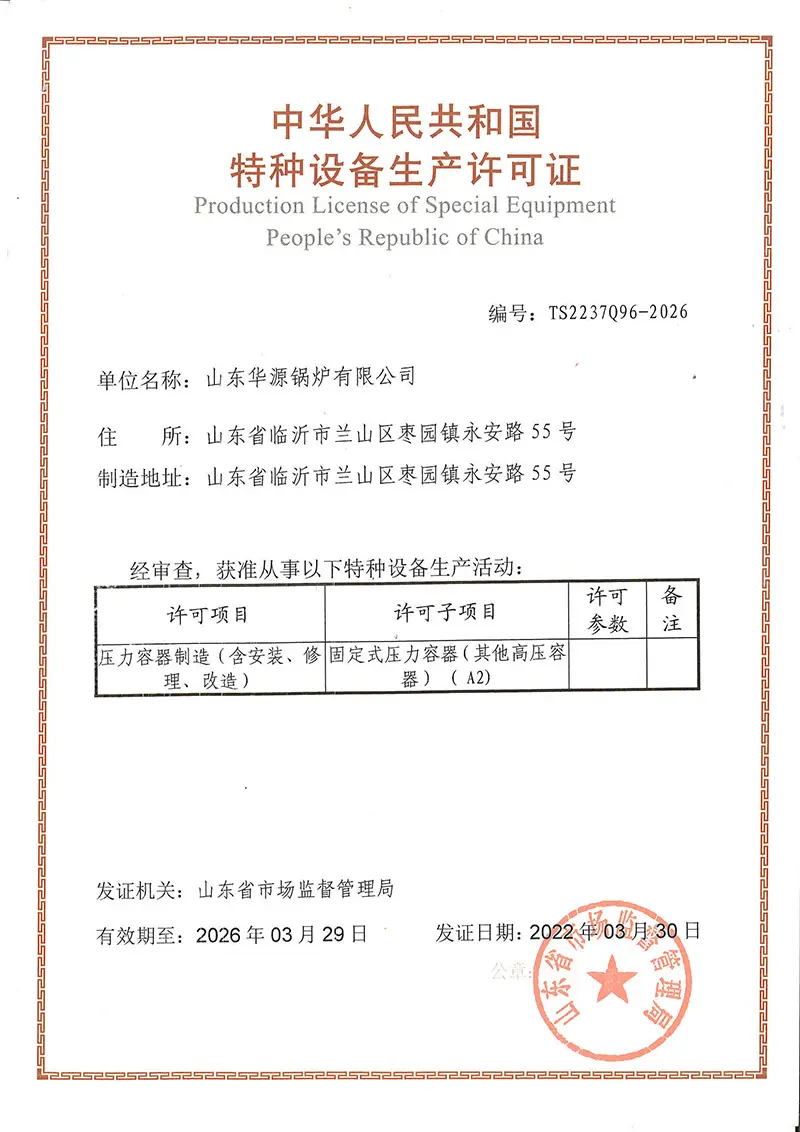
Holding national A-class boiler and A2-class pressure vessel manufacturing licenses along with D1D2 design credentials, Huayuan Tech offers complete thermal equipment system integration and contract energy management.
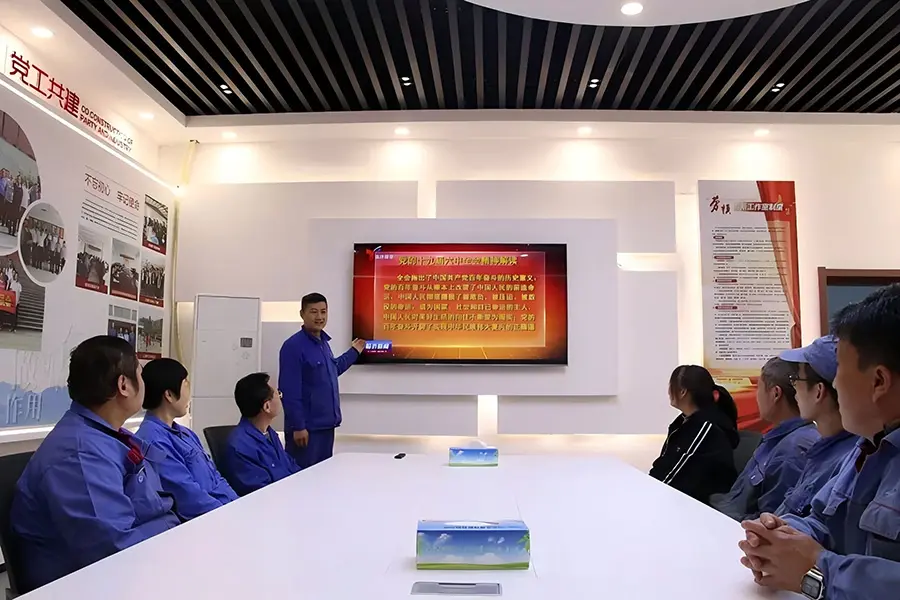
Thermal Systems Engineering

Global Commercial & Industrial Status of Post-Industrial Scrap (PIS)

Post-industrial scrap (PIS)—comprising manufacturing off-cuts, defective vulcanized rubber polymers, post-production plastic purgings, and complex industrial composites—presents both a substantial environmental liability and an underutilized chemical economic resource. Unlike municipal solid waste (MSW) or post-consumer scrap (PCS), industrial scrap benefits from high chemical homogeneity, predictable composition, and reduced non-organic contamination. However, standard mechanical recycling often fails due to thermal cross-linking, composite vulcanization, and material degradation during primary fabrication.

On a global scale, tightening environmental regulations, such as the European Union’s Extended Producer Responsibility (EPR) mandates and mandatory recycled-content thresholds in the automotive and packaging sectors, are accelerating demand for advanced thermochemical conversion technologies. Industrial enterprises can no longer rely on energy-intensive landfilling or incinerators with low efficiency. Continuous pyrolysis and waste-to-energy integration have emerged as the premier technological pathways for chemical upcycling, allowing heavy industry to convert raw scrap into industrial fuel oils, high-grade recovered carbon black (rCB), and combustible non-condensable synthesis gas (syngas).

Macro Development Trends & Regulatory Drivers

The transition toward circular industrial ecosystems is driven by three primary thermodynamic and economic forces:

Decarbonization & Carbon Offsetting

Continuous thermal cracking of industrial scrap diverts fossil polymers from incineration, directly decreasing Scope 1 and Scope 2 operational carbon intensity under global ETS framework standards.

Circular Virgin Material Substitution

Pyrolysis-derived heavy distillates and recovered carbon black (rCB) serve as drop-in replacements for petroleum naphtha and virgin ASTM carbon blacks, mitigating supply chain vulnerabilities.

Energy Autonomy & Co-Generation

Integrating high-efficiency waste heat boilers with thermal cracking units captures excess enthalpy, turning waste treatment plants into net-positive power units for localized manufacturing hubs.

Localized Application Scenarios & Industrial Implementation

The execution of continuous pyrolysis systems varies based on localized feedstock types and regional energy economics:

  • Automotive Manufacturing Hubs: Recycling off-spec EPDM weatherstripping, tires, and polyolefin bumpers into commercial light-to-medium distillation oils and structural carbon fillers.
  • Petrochemical & Polymer Processing Plants: Direct conversion of low-density and high-density polyethylene (LDPE/HDPE) cross-linked scrap into high-caloric synthetic diesel fraction equivalents.
  • Industrial Energy Plants: Utilization of non-condensable syngas directly within connected boiler burners, establishing closed-loop combustion circuits that eliminate external natural gas consumption during steady-state operations.

System Architecture & Technology Roadmap

Huayuan Tech's engineering roadmap prioritizes continuous automation, strict emissions control, and modular thermodynamic scalability. Traditional batch processing plants suffer from high thermal cycle degradation, elevated labor overhead, and inconsistent yield profiles. Our continuous screw and rotary kiln architectures overcome these engineering boundaries through automated continuous feeding systems, indirect electrical/gas multi-stage heating zones, dynamic gas sealing, and multi-stage dynamic condensing trains.

Our closed-loop thermal cracking reactors operate under micro-negative pressure conditions, completely preventing hazardous hydrocarbon vapor escape. Integrated waste heat recovery boilers systematically reduce exhaust temperatures while producing saturated industrial steam for concurrent manufacturing operations.

Five Decades of Innovation & Milestones

From heavy boiler manufacturing to global leadership in automated continuous waste pyrolysis systems.
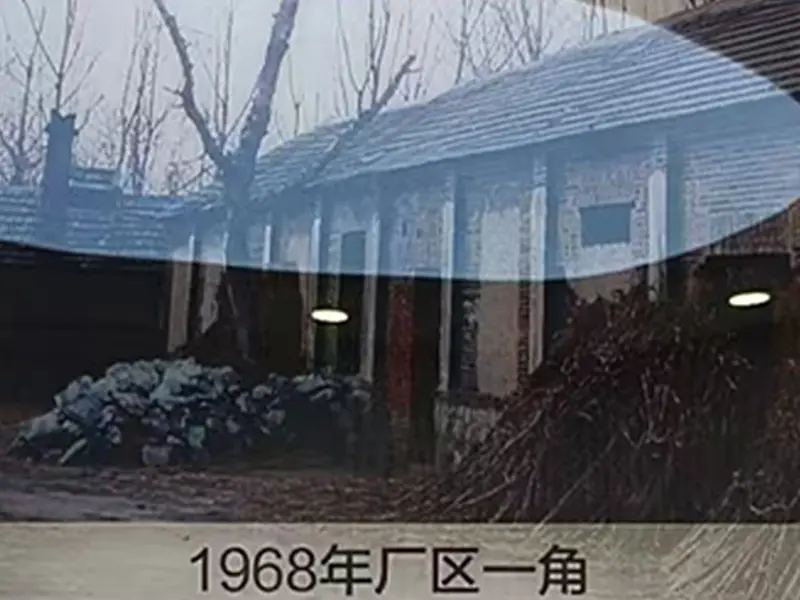
1968 Foundation
1968

Initially, Huayuan Technology began developing foundational boiler technology across specialized workshop facilities.
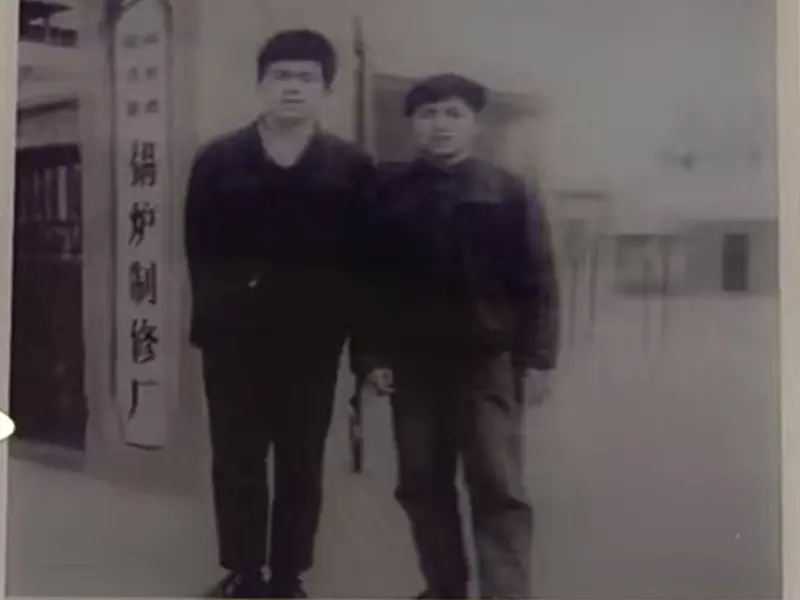
1975 Expansion
1975

Restructured as Linyi County Boiler Manufacturing and Repair Factory, expanding industrial press capabilities under regional bureau oversight.
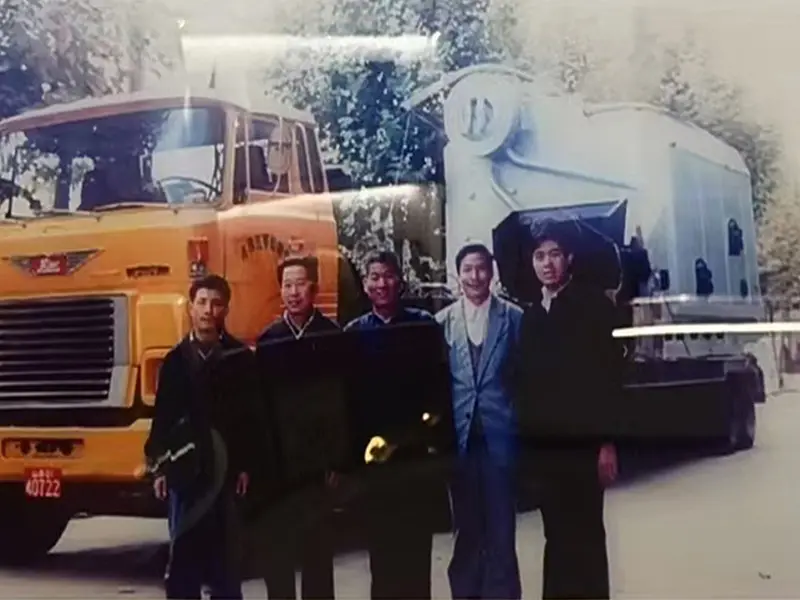
1981 Relocation
1981

Officially renamed Linyi Boiler Factory, merging with auto parts manufacturing plants and relocating to 373 Tongda Road for scaled production.
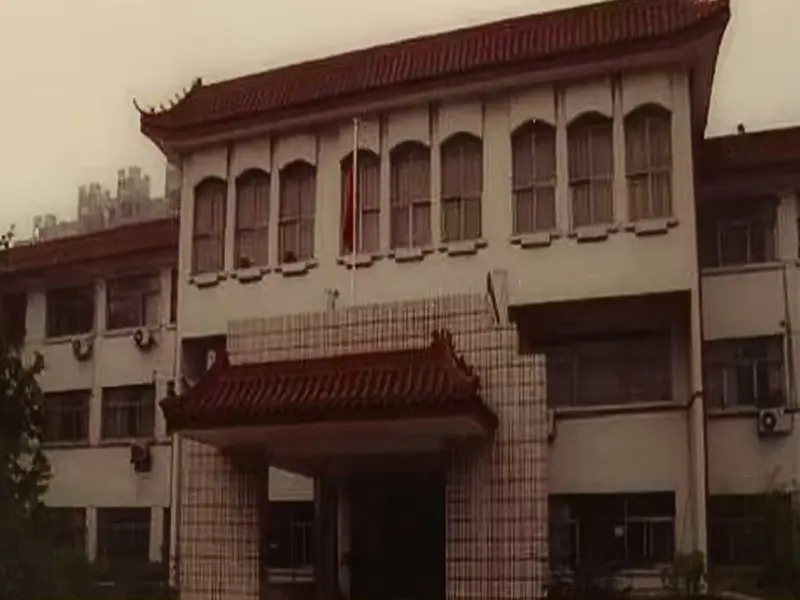
1997 Modernization
1997

Restructured into Linyi Boiler Co., Ltd., introducing standardized precision quality engineering and high-pressure vessel testing protocols.
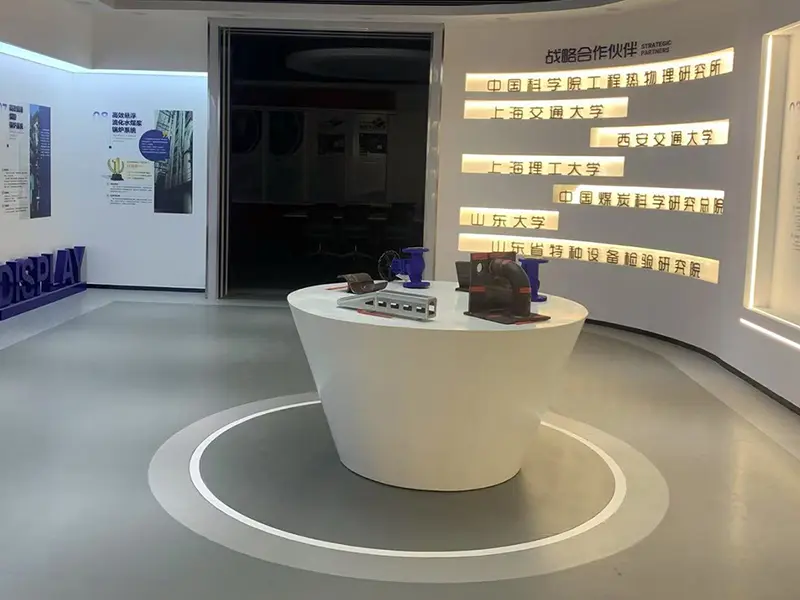
2003 Restructuring
2003

Completed enterprise restructuring, unlocking aggressive market expansion and modernizing heavy machinery manufacturing lines.
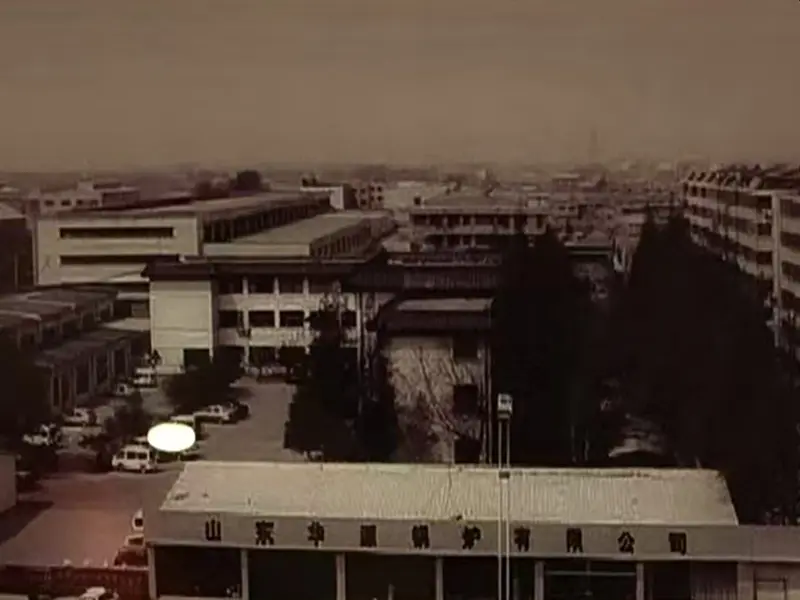
2005 Batch Pyrolysis
2005

Obtained national A-level boiler manufacturing licenses, achieved triple ISO system certifications, and initiated production of batch waste tire pyrolysis plants.
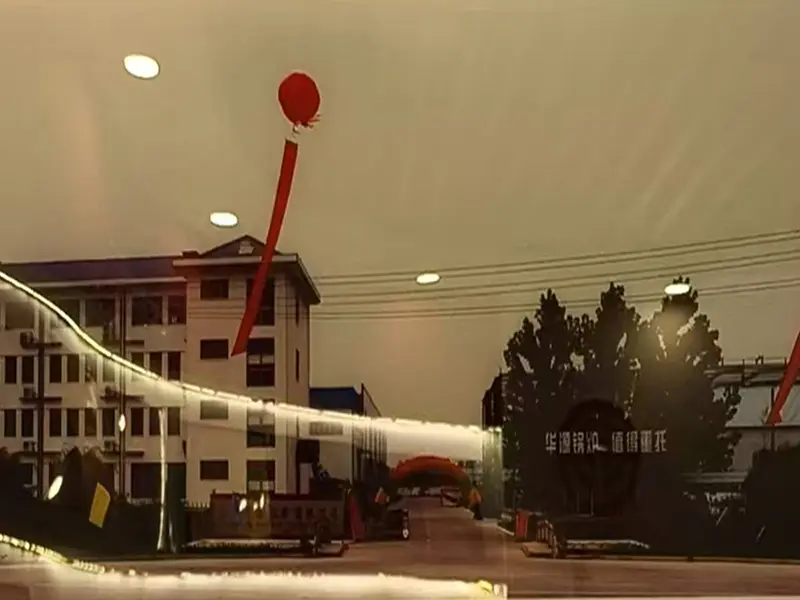
2010 Continuous Models
2010

Relocated to Zaoyuan Town Industrial Park (220 acres) and spearheaded R&D into fully automated continuous pyrolysis reactor systems.
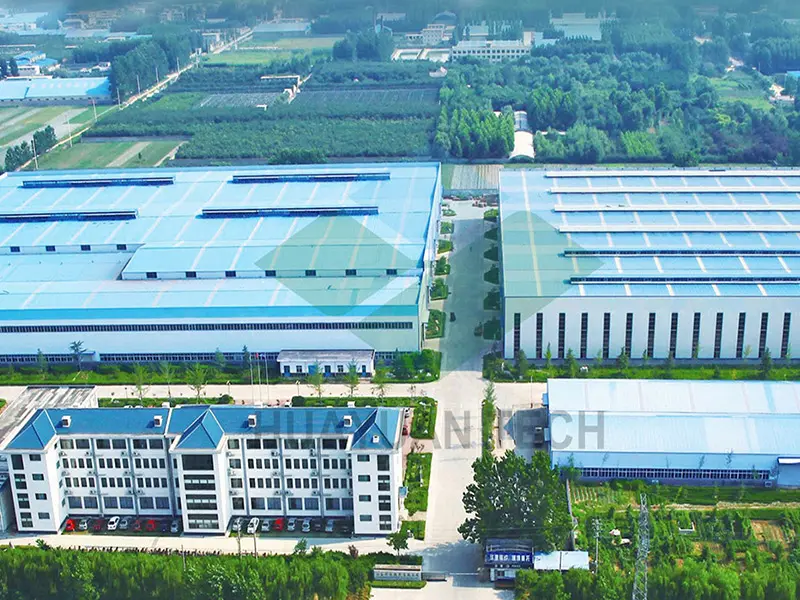
2018 Screw Running Model
2018

Successfully engineered the continuous screw-running pyrolysis system. Earned High-Tech Enterprise status and American ASME certification for global markets.

2021+
2021 & Beyond

Adhering to our core corporate vision: "Doing energy conservation and emission reduction, making the sky bluer, the earth greener, and the water cleaner."

Certified Excellence & International Engineering Standards

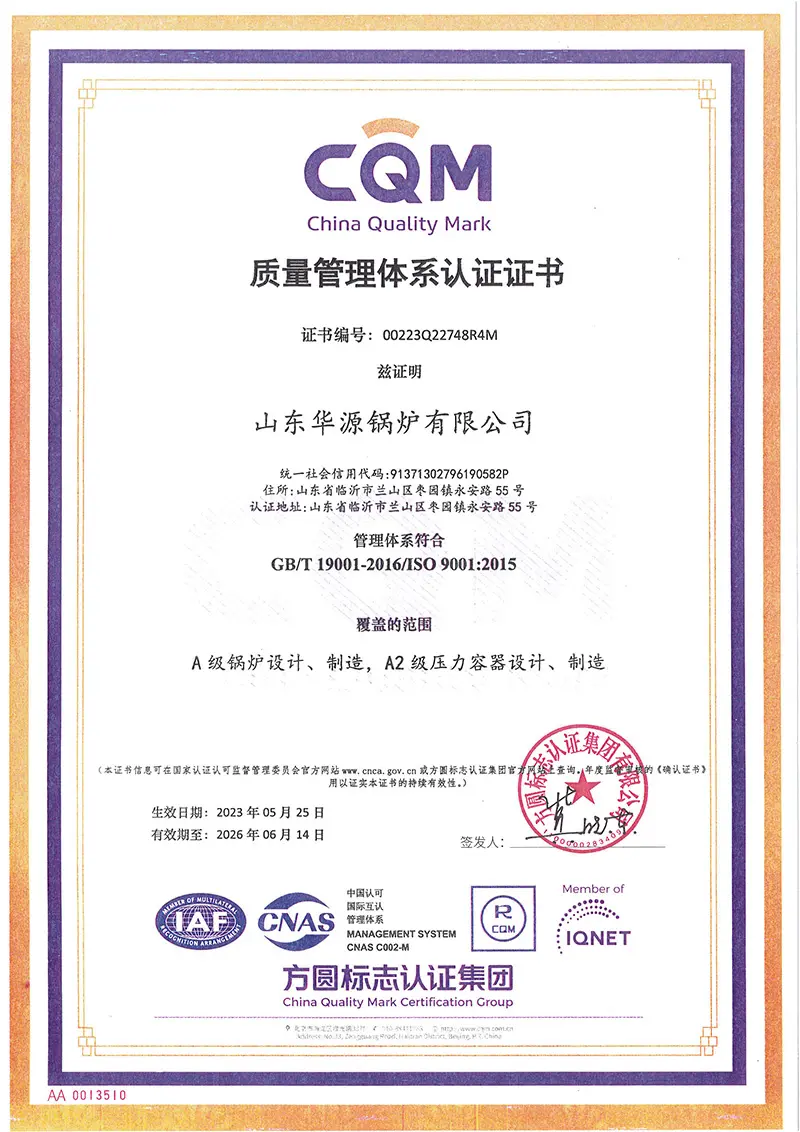
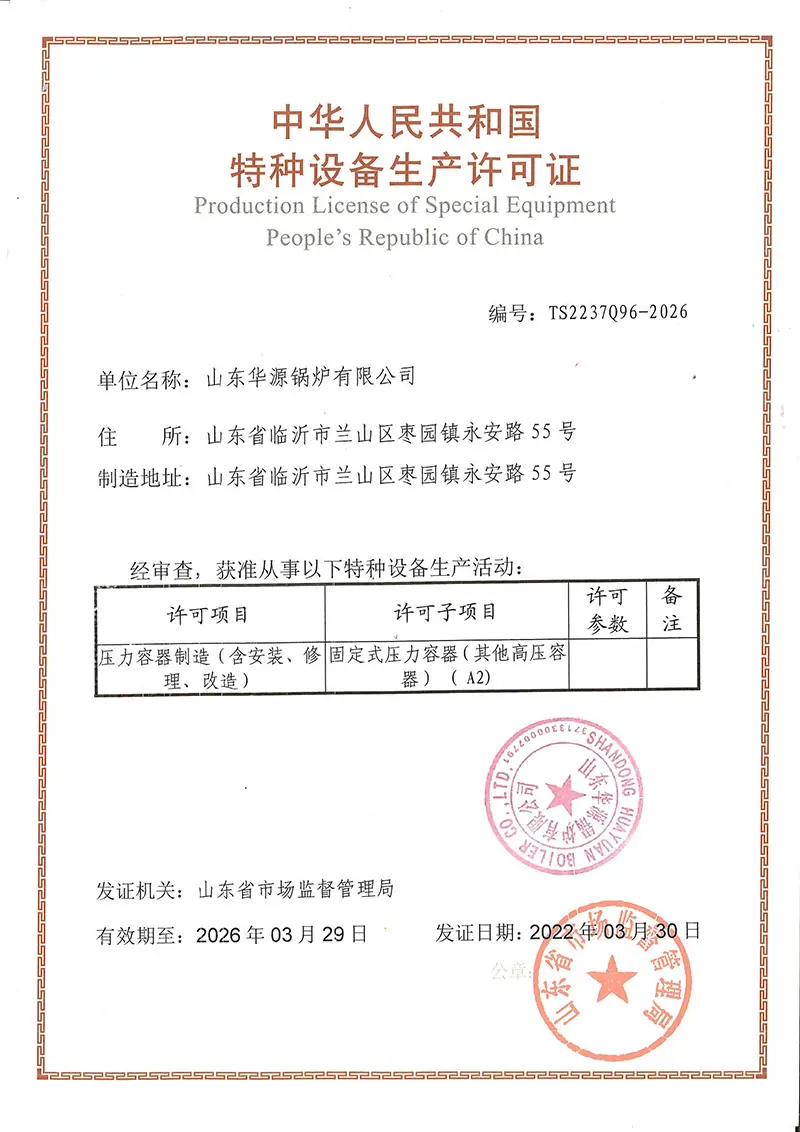
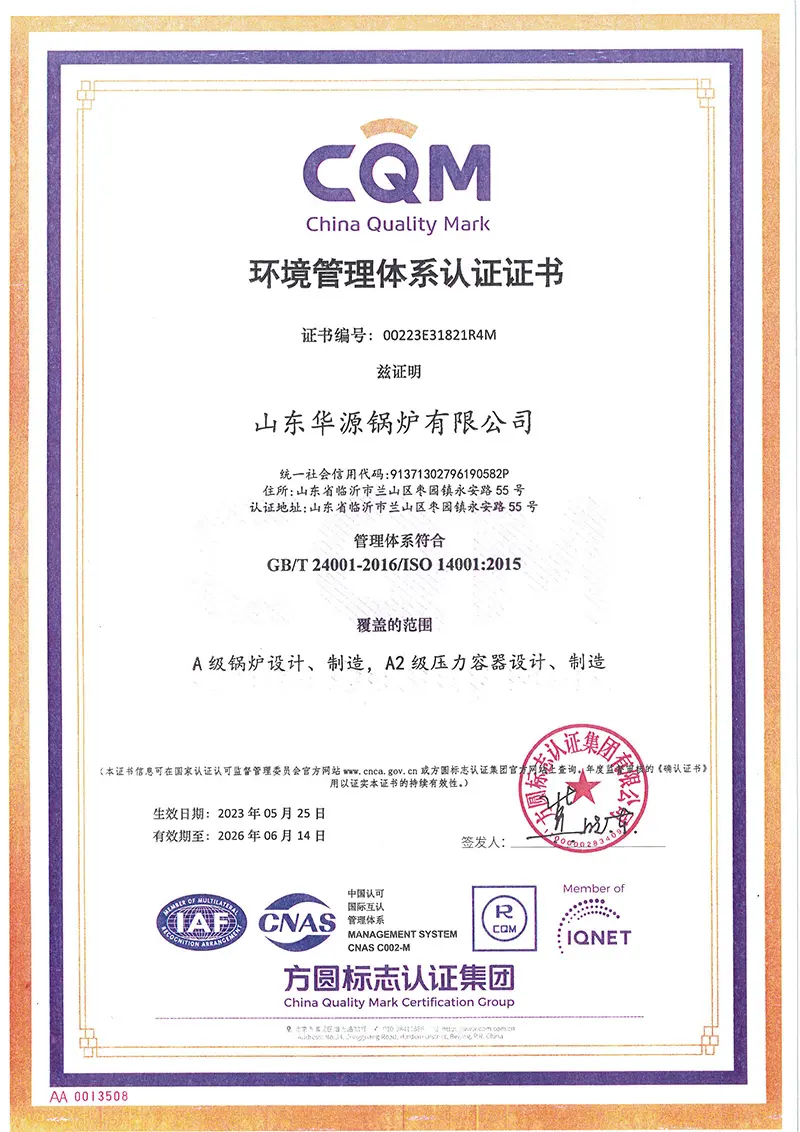
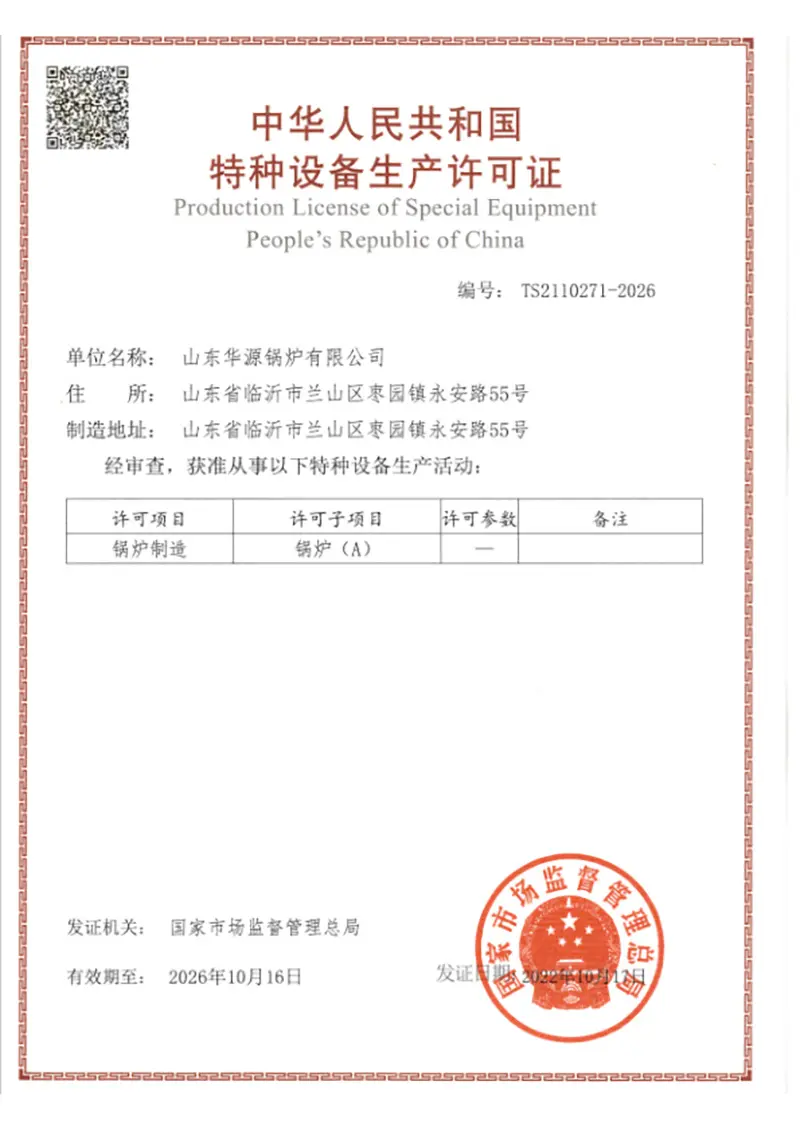
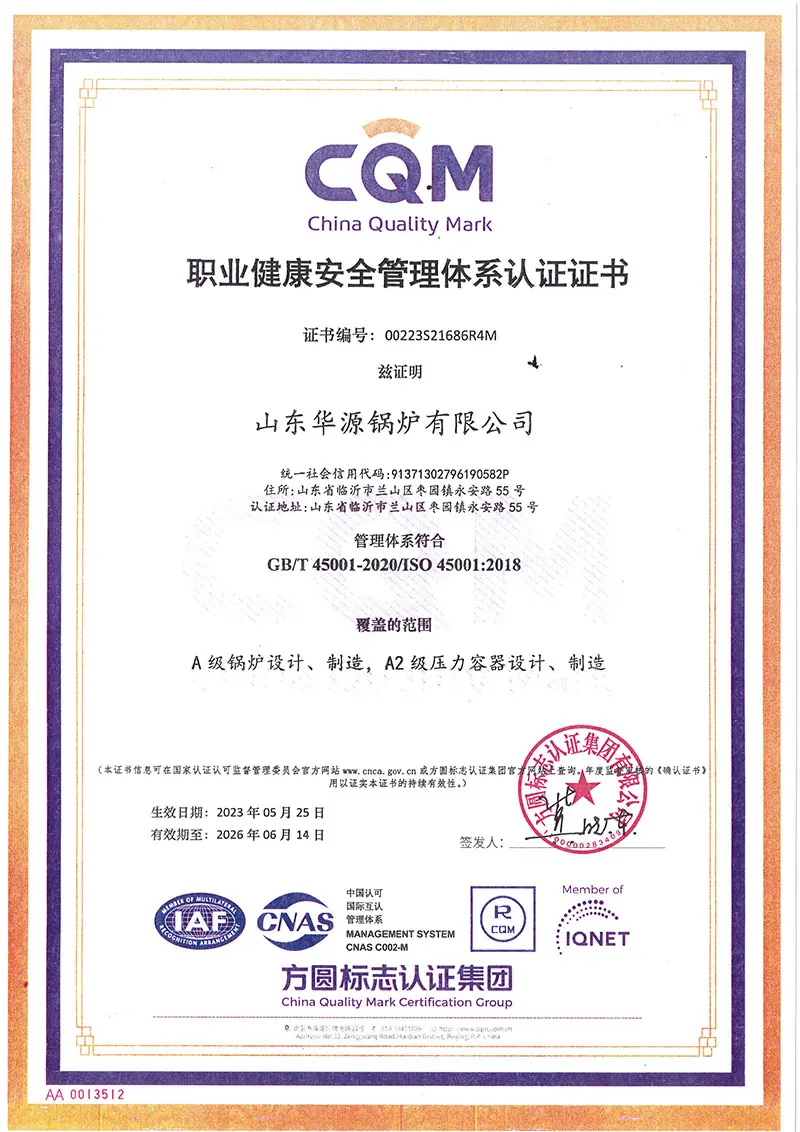
Our pressure vessels and pyrolysis reactors comply with rigorous ASME, ISO9001, ISO14001, and OHSAS18001 standards.
Quality Standard Certification
ASME Pressure Vessel Compliance
ISO Systems Certification
National Boiler License
Environmental Management Standard
Safety Management Systems

Integrated Industrial Solutions Portfolio

Turnkey waste processing facilities engineered for optimal output purity and economic performance.
Pyrolysis Plant Solution

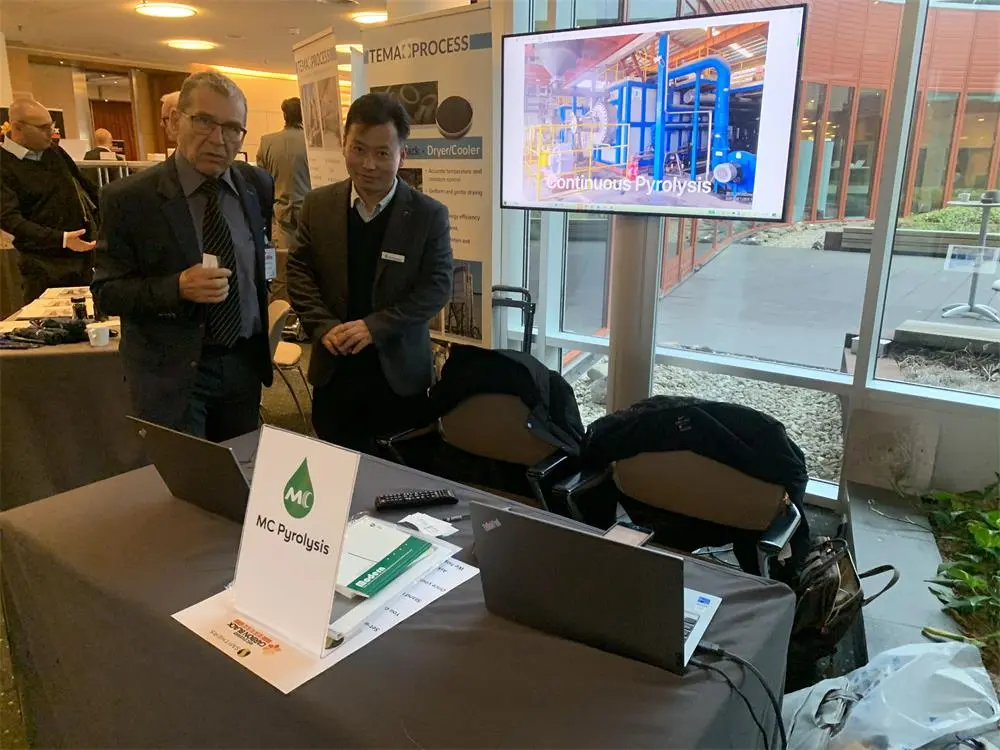
Continuous Polymer Cracking Array

Learn More
Tire Scrap Pyrolysis

Rubber Powder Conversion System

Learn More
Rotary Kiln Facility

Industrial Rotary Kiln Unit

Learn More
Pyrolysis Distillation Unit

Catalytic Fuel Refining Facility

Learn More
Carbon Black Refining Plant

Recovered Carbon Black Processing

Learn More
Waste Heat Boiler Unit

Thermal Heat Co-Generation Unit

Learn More
Modular Scrubber System

Syngas Purification & Scrubbing

Learn More
Electric Pyrolysis System

Zero-Emission Heating Reactor

Learn More

Industrial Pyrolysis & Energy Plant Equipment Catalog

Select from our certified industrial waste recycling equipment lineup designed for full-scale commercial projects.
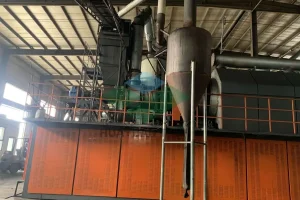
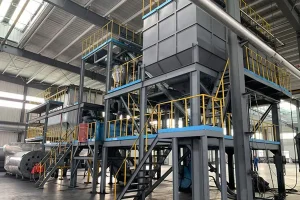
Continuous Pyrolysis Plant

High-Quality Continuous Pyrolysis Plant (Rubber Powder As Feedstock)

Technical Details
Rotary Kiln Pyrolysis Plant

High-Quality Semi-Continuous Rotary Kiln Pyrolysis Plant

Technical Details
Waste to Energy Plant

High-Quality Waste to Energy Plant Suppliers

Technical Details
Continuous Screw Pyrolysis

Cheap Continuous Screw Pyrolysis Plant Manufacturers

Technical Details
Electrical Heating Pyrolysis

Cheap Electrical Heating Continuous Pyrolysis Plant Manufacturers

Technical Details
Waste Heat Boiler

High-Quality Waste Heat Boiler Suppliers

Technical Details
Tire Blocks Pyrolysis Plant

High-Quality Continuous Pyrolysis Plant (5-10cm Tire Blocks)

Technical Details
Recovered Carbon Black Refining

High-Quality Recovered Carbon Black Refining Plant

Technical Details

Frequently Asked Technical Questions (FAQ)

Detailed answers regarding mass yields, thermodynamic efficiency, engineering compliance, and operational safety.
What differentiates post-industrial scrap (PIS) processing from municipal waste processing?
Post-industrial scrap consists of highly uniform, single-stream or known-composite polymer waste directly from factory production lines (such as tire manufacturing trim, rubber extrusions, and plastic moldings). Unlike post-consumer waste, PIS features low moisture content and minimal inorganic debris, enabling precise chemical thermal degradation, higher oil yields, and carbon black yields with predictable physical properties.
How does Huayuan Tech ensure gas sealing in continuous screw pyrolysis reactors?
Our continuous screw plants utilize dynamic liquid-seal technology combined with high-precision mechanical nitrogen purging locks at both entry and discharge points. This dual-barrier dynamic isolation prevents atmospheric oxygen from entering the reactor while maintaining micro-negative operational pressure, ensuring zero vapor leakage and maximum operational safety.
What are the standard product yield ratios for rubber scrap pyrolysis?
Typical yields for vulcanized rubber scrap (such as end-of-life tire shreds or industrial EPDM waste) average 40% to 45% heavy/medium pyrolysis oil, 30% to 35% crude carbon black, 10% to 15% steel wire (if handling steel-reinforced scrap), and 8% to 10% non-condensable syngas recycled into the heating furnace.
Are Huayuan Tech pyrolysis vessels certified under international pressure codes?
Yes. Huayuan Tech holds national A-class boiler manufacturing licenses, A2-class pressure vessel production certifications, and American Society of Mechanical Engineers (ASME) stamp credentials, ensuring compliance with global regulatory standard inspections.
How is the non-condensable syngas handled safely during operation?
Non-condensable synthesis gases (consisting of CH4, C2H6, H2, and CO) pass through multi-stage gas scrubbers and safety hydro-seals to remove acidic gases (H2S, Cl). The purified gas is directed into the closed reactor burners, providing up to 100% of thermal requirements during steady-state operation.
Can the recovered carbon black (rCB) be directly used in commercial production?
Crude carbon black discharged from pyrolysis requires secondary Jet-Mill grinding and magnetic separation to achieve particle sizes equivalent to N330/N550 ASTM standards. Huayuan Tech manufactures dedicated rCB refining plants that process crude carbon black into high-purity industrial filler for masterbatches and rubber compounding.