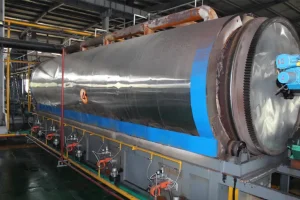
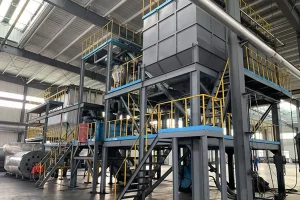
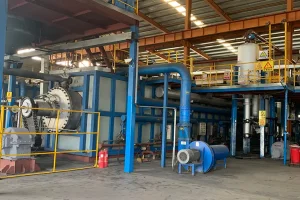
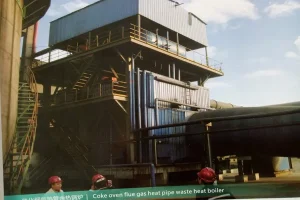
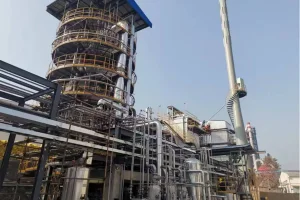
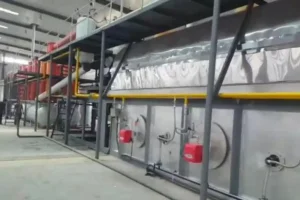
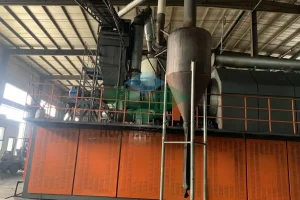
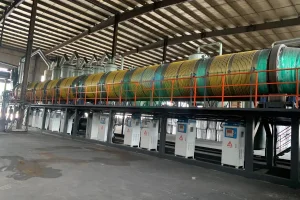
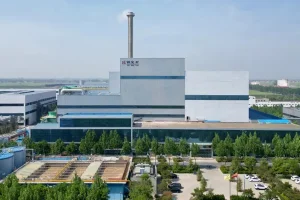
Engineered to maximize thermal efficiency, minimize emission profiles, and optimize resource recovery rates.
Founded in 1968, Huayuan Tech has emerged as a premier global pioneer in engineering waste to energy and waste tire pyrolysis technologies. Our production footprint covers an extensive area of 209,335 square meters, with specialized heavy fabrication plant spaces spanning 98,680 square meters.
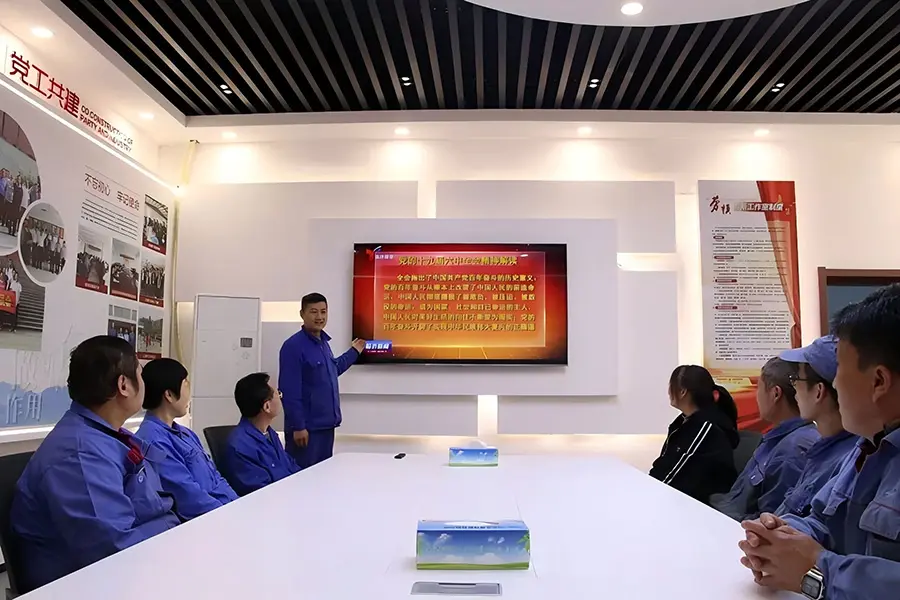
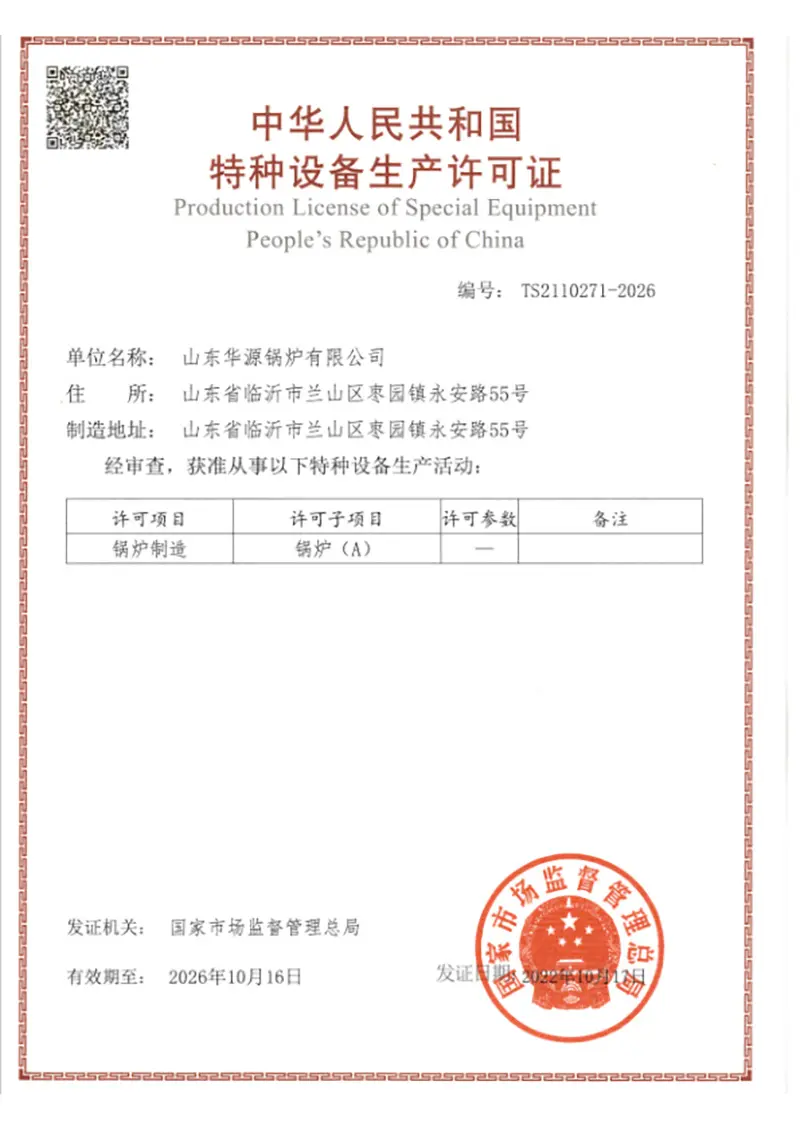
With over 500 dedicated employees, our engineering and technical development personnel account for 34% of our workforce. We possess complete A-class boiler manufacturing credentials alongside pressure vessel design and fabrication capabilities.
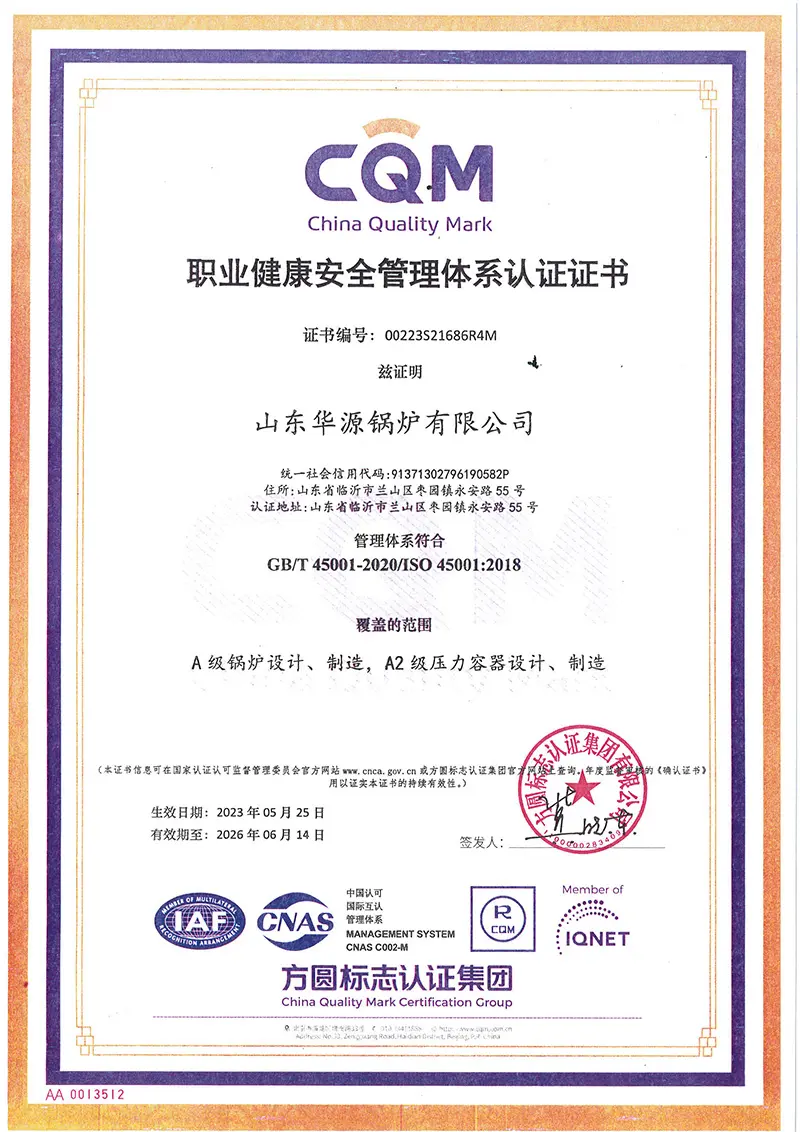
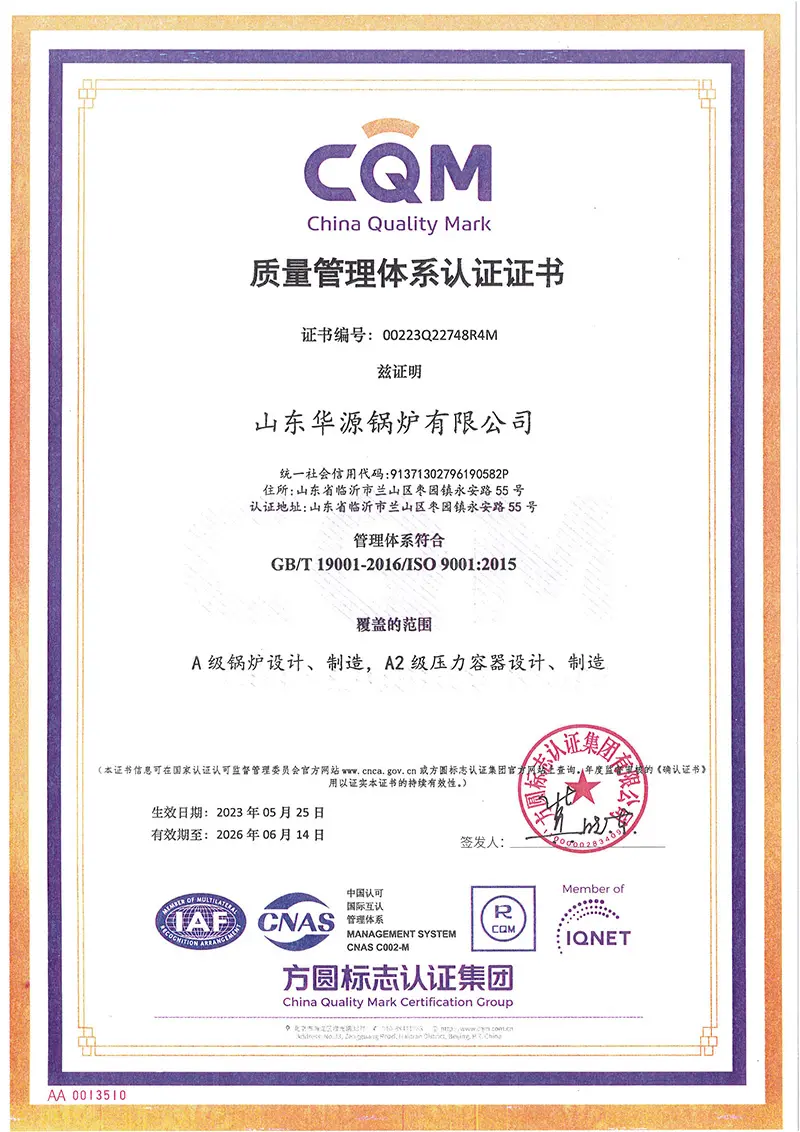
Backed by pressure piping installation licenses and certified under ISO9001, ISO14001, OHSAS18001, and the prestigious United States ASME (American Society of Mechanical Engineers) standards, Huayuan Tech delivers reliable engineering for the global market.
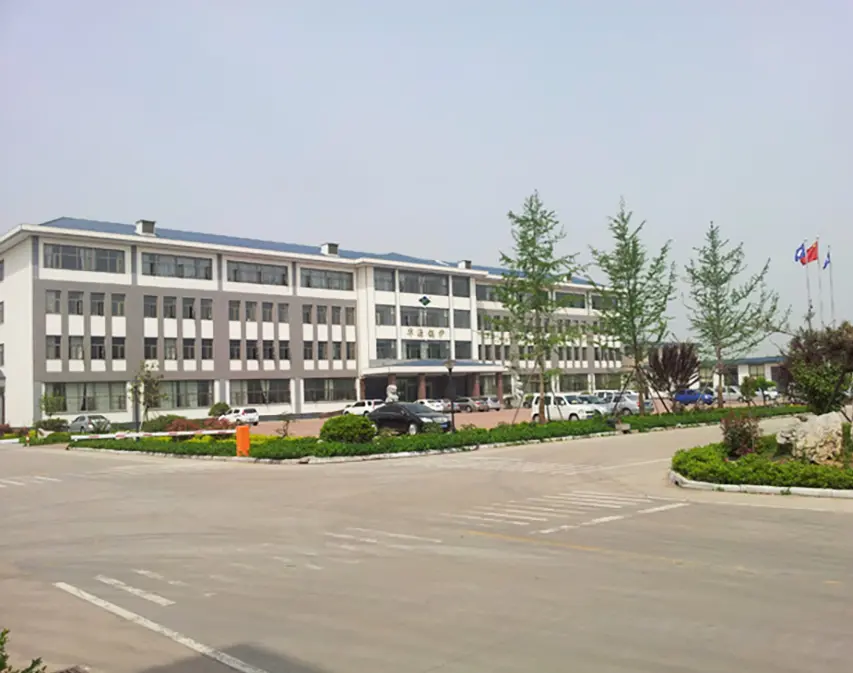
Huayuan Tech has evolved into a fully integrated energy solution supplier. We operate across a diverse portfolio comprising boilers, pressure vessels, waste tire/plastic scrap pyrolysis machines, thermal equipment integration, contract energy management (CEM), project financing, and high-efficiency thermal resource recovery schemes.
Holding a national Class-A boiler license, A2-class pressure vessel manufacturing license, and D1D2 pressure vessel design certificates, we guarantee safety and thermal efficiency in extreme operating environments.
Developing next-generation pyrolysis architectures for waste processing and carbon neutrality.
Transitioning from traditional batch processes to continuous screw-feed configurations allows for constant thermal equilibrium. This prevents temperature fluctuations, reduces utility costs, and increases daily throughput limits from 10 tons to over 50 tons per single processing line.
To support global carbon-neutral goals, our research division has engineered electrical induction heating pyrolysis lines. By replacing traditional combustion burners with carbon-free electricity sources, plants achieve zero Scope 1 greenhouse gas emissions during processing.
Integrating artificial intelligence algorithms with real-time temperature feedback sensors dynamically alters the oil gas flow rates through cooling towers. This maximizes high-fraction oil yield recovery and minimizes non-condensable gas losses.
Industrial configurations engineered to support regional waste diversion programs and environmental compliance.
Discarded tires represent a significant global waste challenge. Our semi-continuous and continuous rotary kiln systems convert vulcanized rubber into valuable industrial inputs:
Mixed post-industrial and post-consumer plastics (PP, PE, PS) can be challenging for mechanical recycling. Our low-temperature pyrolysis processes crack polymer chains into a high-heating-value synthetic crude oil. This serves as an alternative raw material for chemical recycling, supporting circular plastic initiatives.
Over five decades of engineering evolution, structural transitions, and technical milestones.
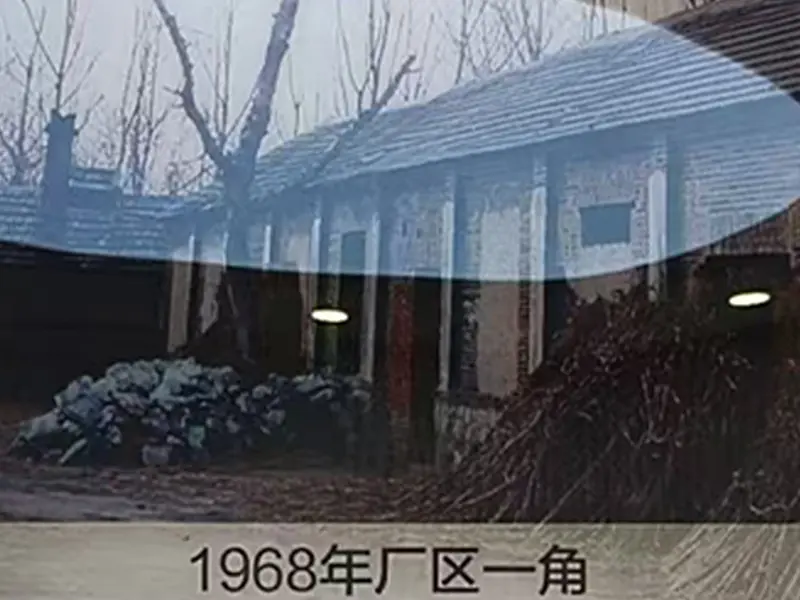
Initially, Huayuan Technology developed boiler technology in several factory workshops, laying the foundation for thermal transfer expertise.
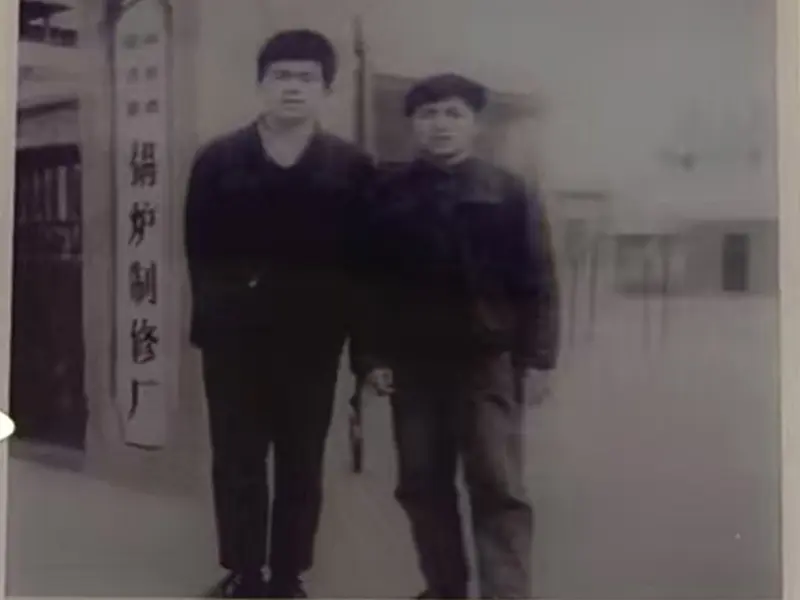
Restructured as Linyi County Boiler Manufacturing and Repair Factory, under the jurisdiction of the Linyi County Industrial Bureau.
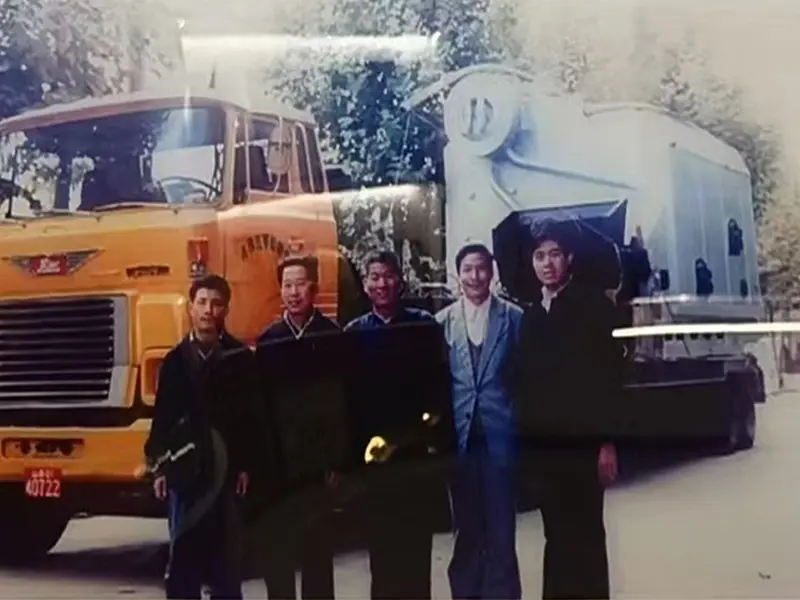
Renamed Linyi Boiler Factory, merged with Linyi Auto Parts Factory, and relocated to 373 Tongda Road for expansion.
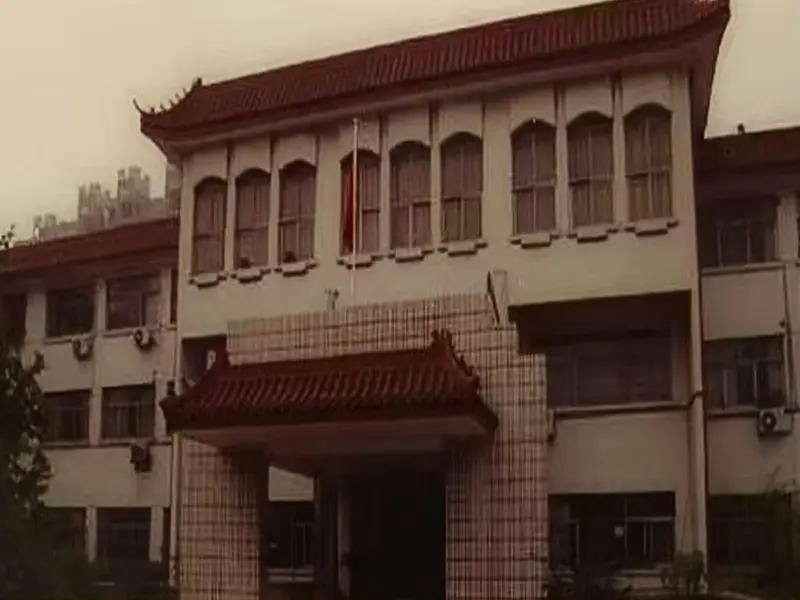
Restructured into Linyi Boiler Co., Ltd., transitioning toward a modern, corporate management structure.
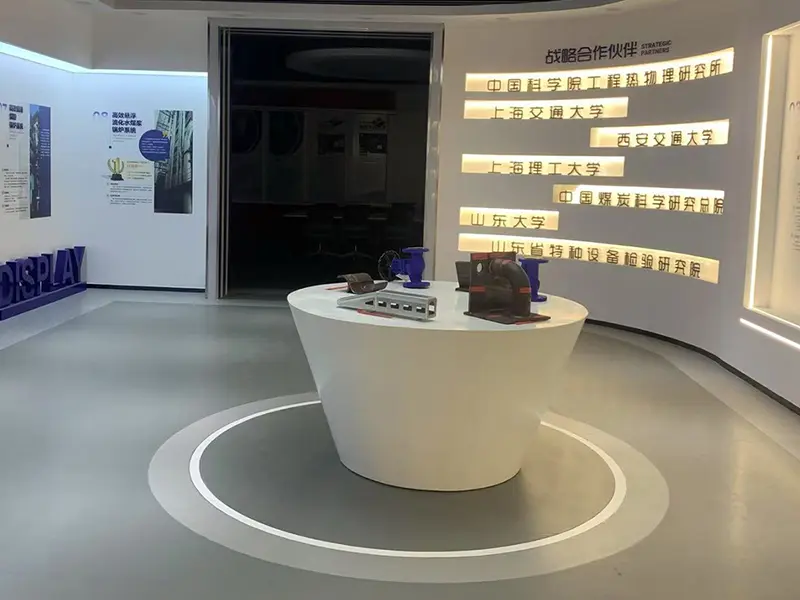
Successful restructuring provided wings for the company's takeoff and took the first step towards becoming a modern global enterprise.
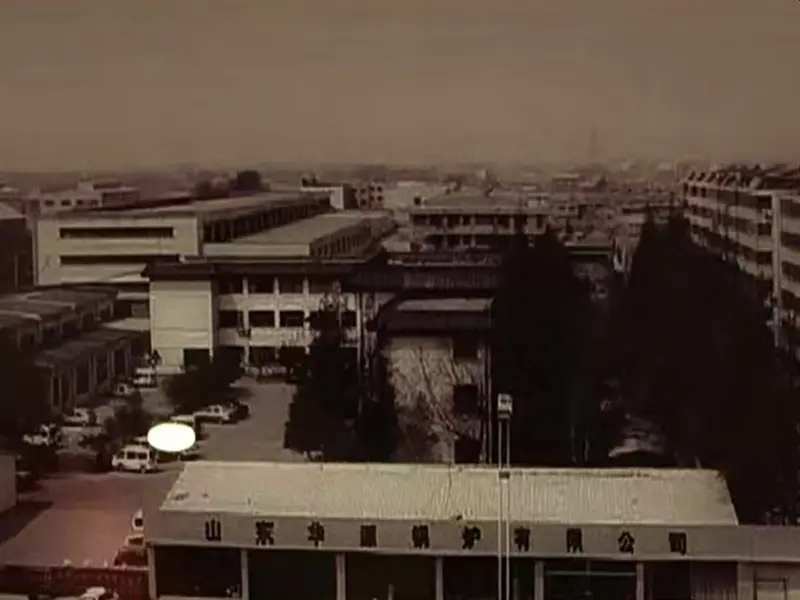
Obtained the national A-level boiler manufacturing license and ISO three-system certifications. Launched the first batch-model waste tire pyrolysis plants.
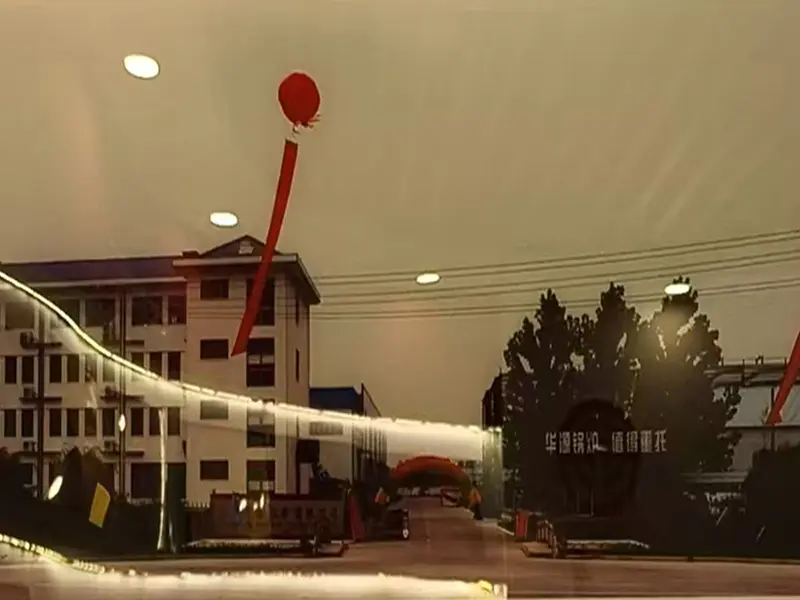
Relocated to a new factory covering 220 acres in Zaoyuan Town Industrial Park. Commenced R&D for continuous-model pyrolysis plants.
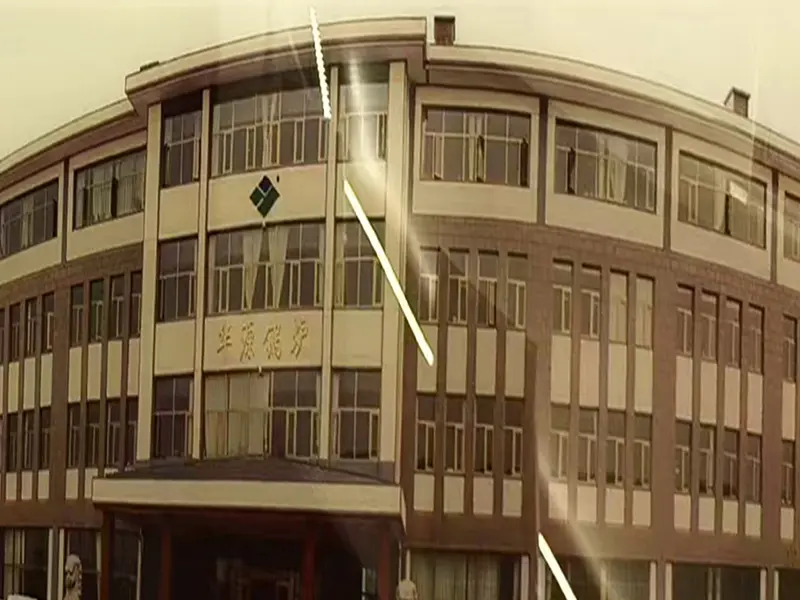
Successfully developed the screw-running continuous pyrolysis plant. Obtained American ASME certification, accelerating global distribution.
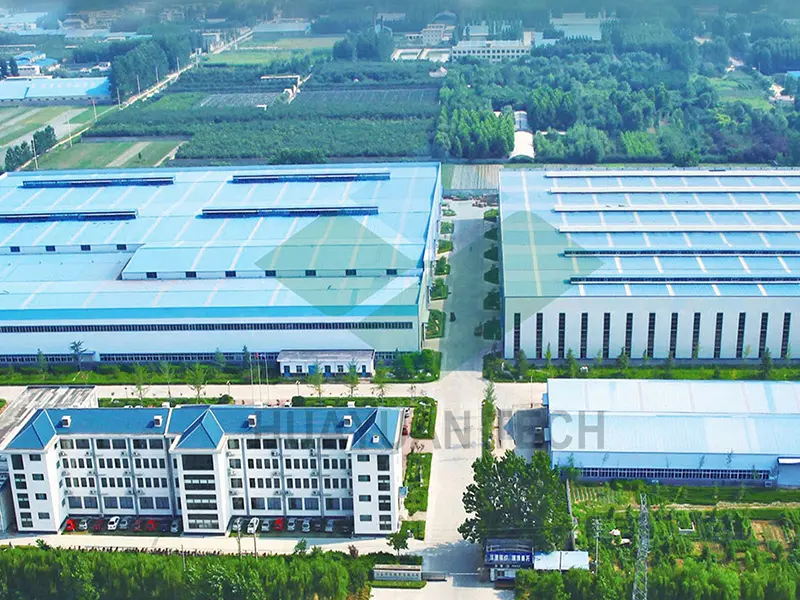
Adhered to the corporate vision of "doing energy conservation and emission reduction, making the sky bluer, the earth greener, and the water cleaner."
The word "Cheap" in our product offering does not signify compromised quality; rather, it reflects structural cost advantages generated by our integrated supply chain model and Chinese Factory 4.0 manufacturing processes.
We source raw steel plate materials directly from large domestic mills. Standardizing pressure vessel components allows us to lower manufacturing costs compared to boutique Western producers.
Our heavy production machinery features robotic submerged arc welding stations, automatic plasma cutters, and integrated X-ray inspection bays. This reduces manual labor requirements and maintains manufacturing tolerances within 0.5mm, improving durability and seal integrity under positive reactor pressure.
Our in-house design capabilities for A-level boilers and D1D2 pressure vessels eliminate third-party design costs. We pass these savings directly to our global customers.
Helping operators navigate regional environmental laws and safety requirements.
We supply advanced tail-gas cleaning lines, including double-stage desulfurization towers, wet scrubbers, and bag dust collectors. These system designs meet or exceed emissions limits in the European Union (EU Industrial Emissions Directive) and the US EPA.
For operations in North America and Western Europe, we deliver reactors featuring the ASME U-Stamp or CE marking. This documentation simplifies local engineering approvals and facilitates factory operation permits with local authorities.
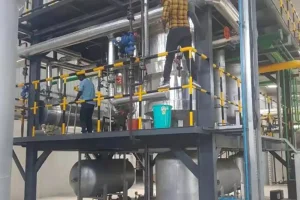
Huayuan Tech maintains a mobile team of experienced engineers. We provide site preparation support, steel structure alignment, mechanical integration, plant commissioning, and operations training for local personnel.
Our pressure vessel fabrications and boilers are tested and certified for safety and performance under global regulatory standards.
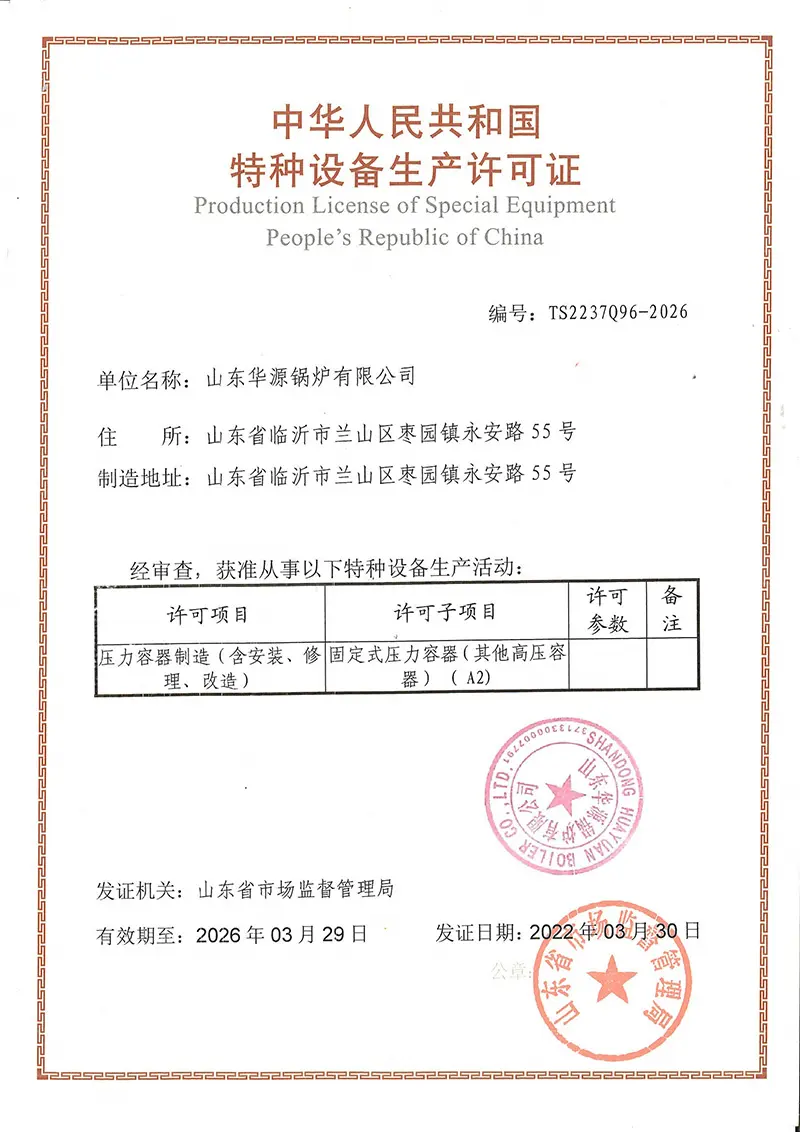
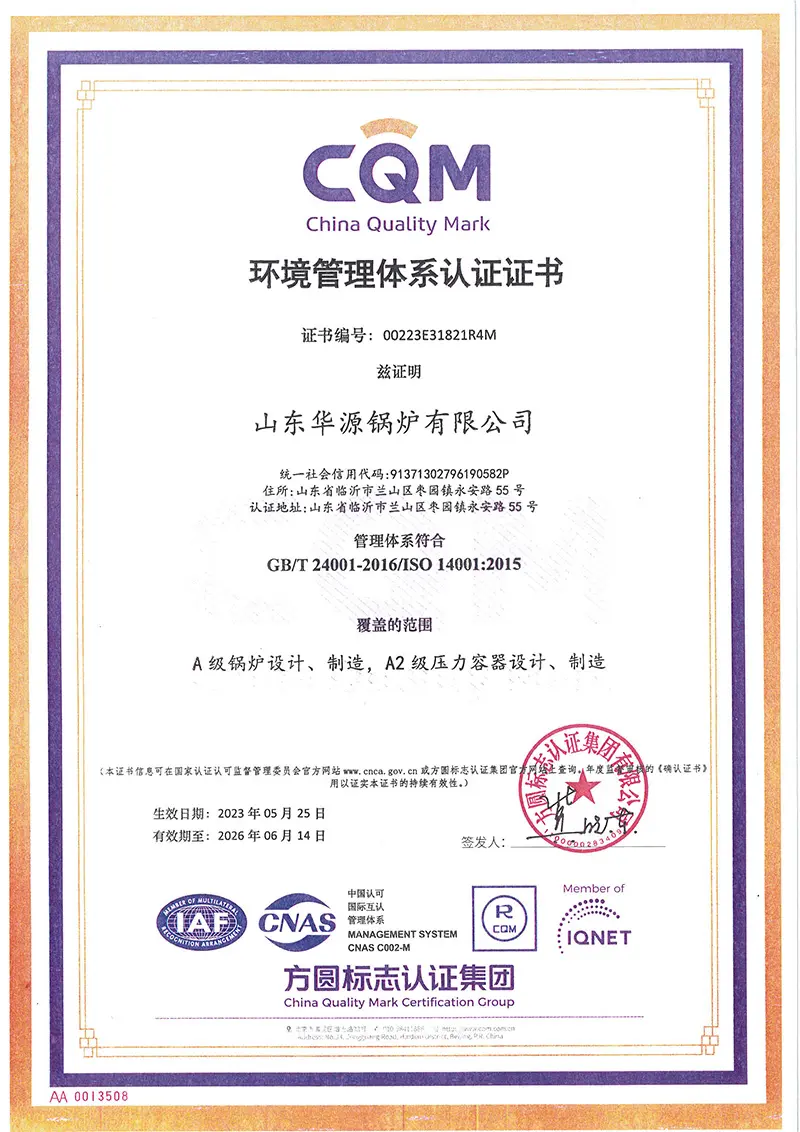
Providing custom thermal engineering solutions, project evaluation, and operational layout designs for global clients.
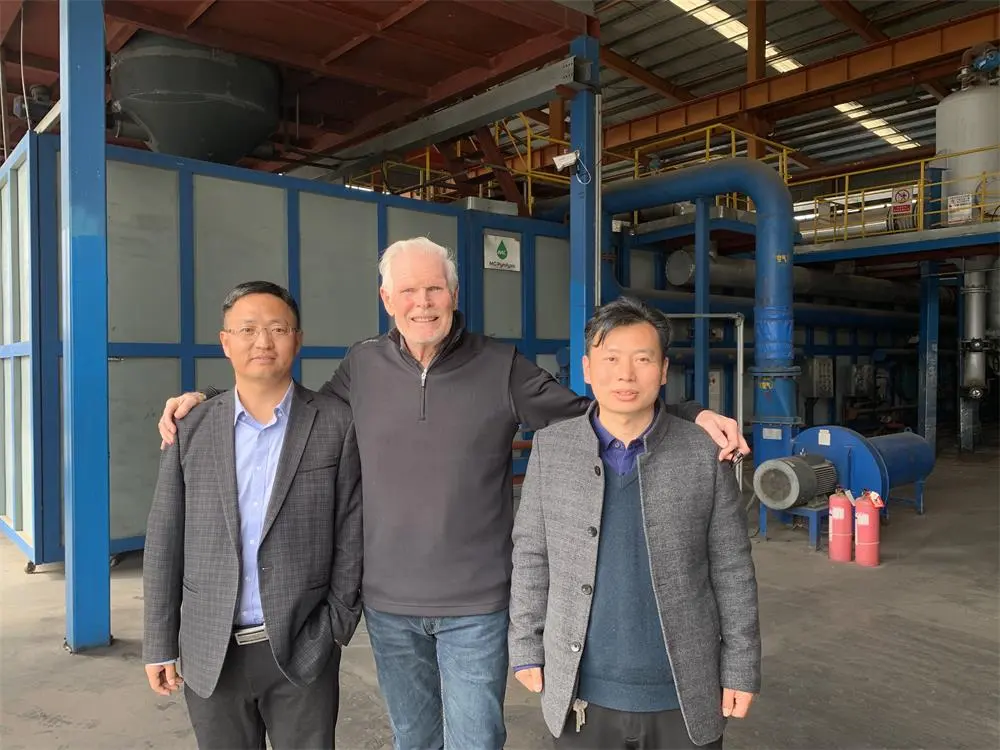
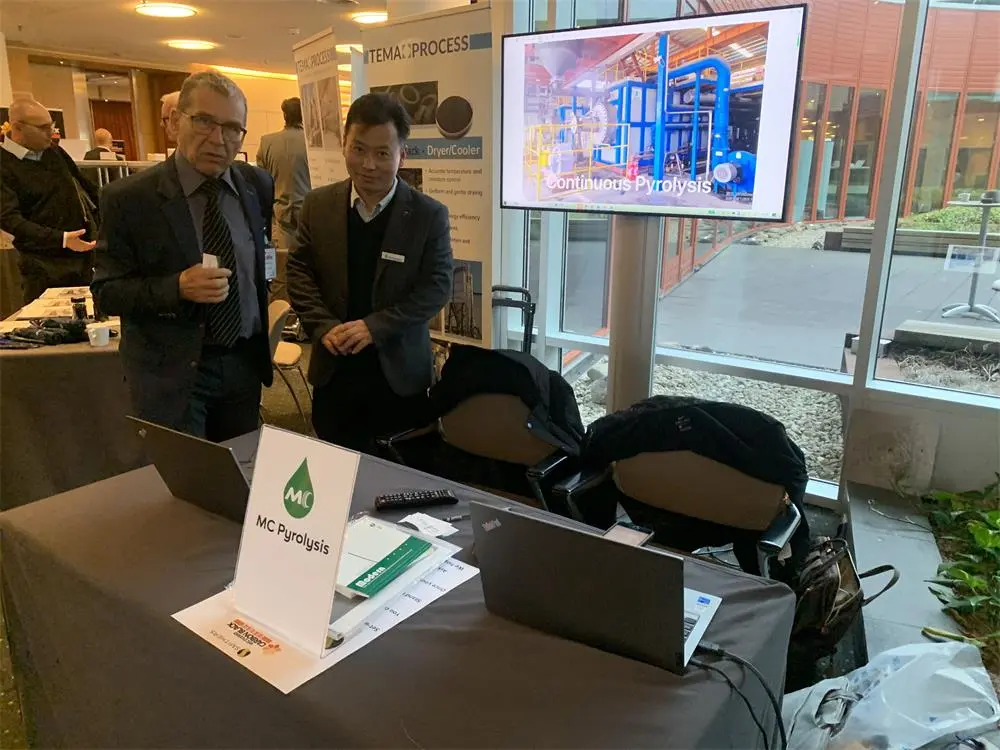
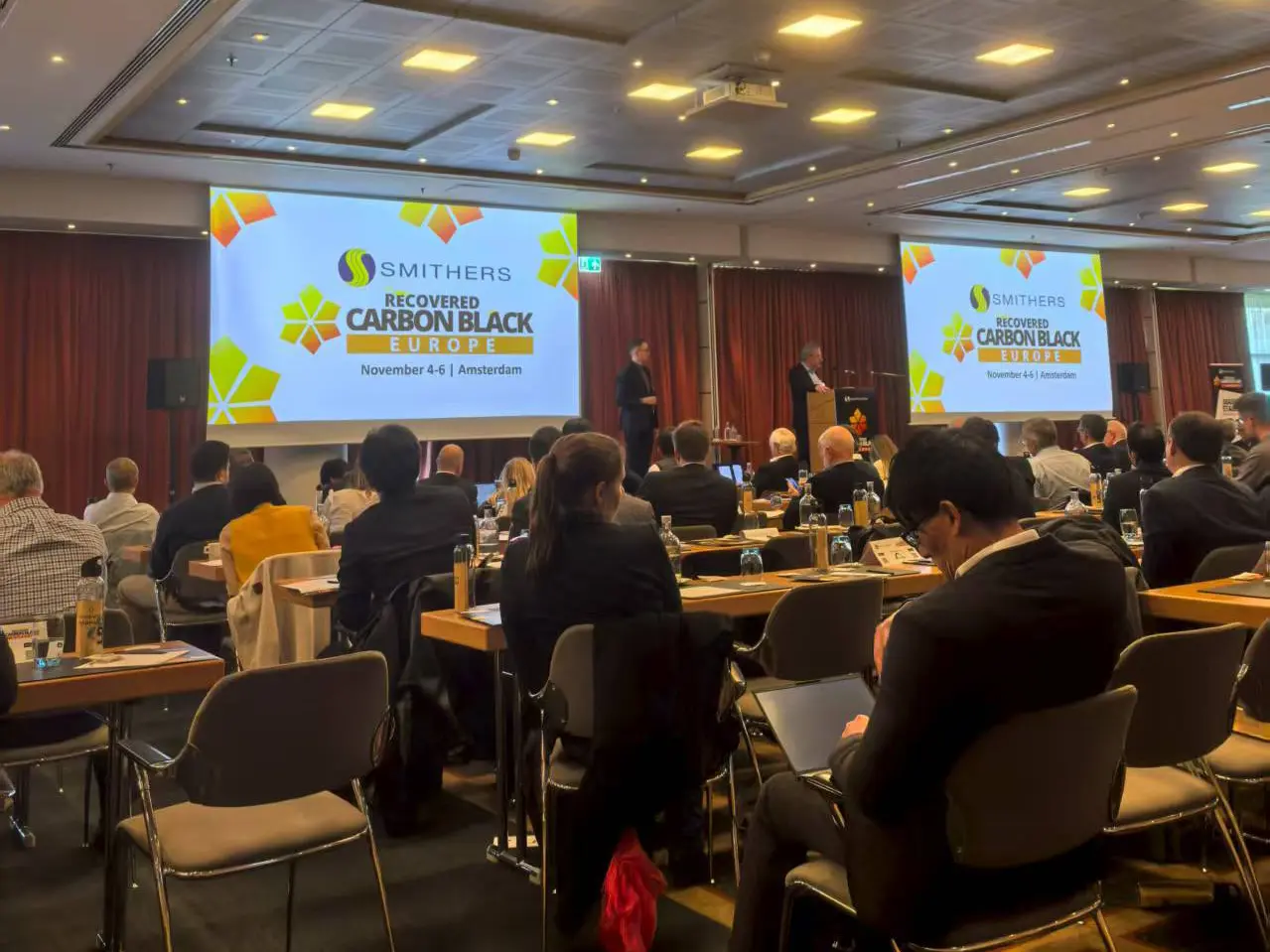
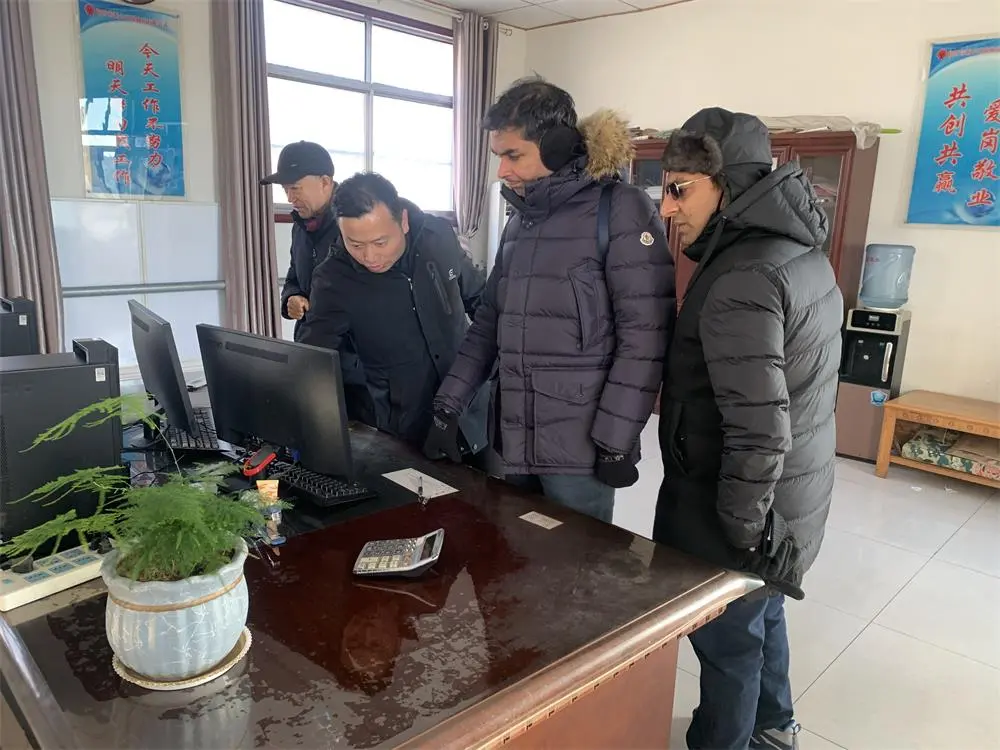
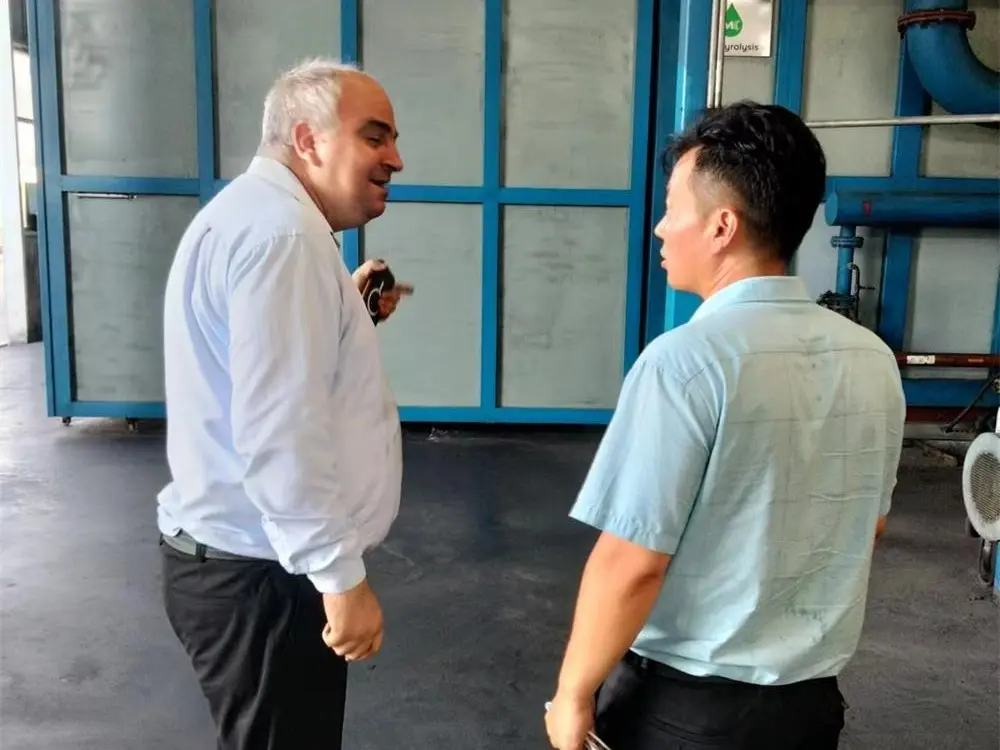
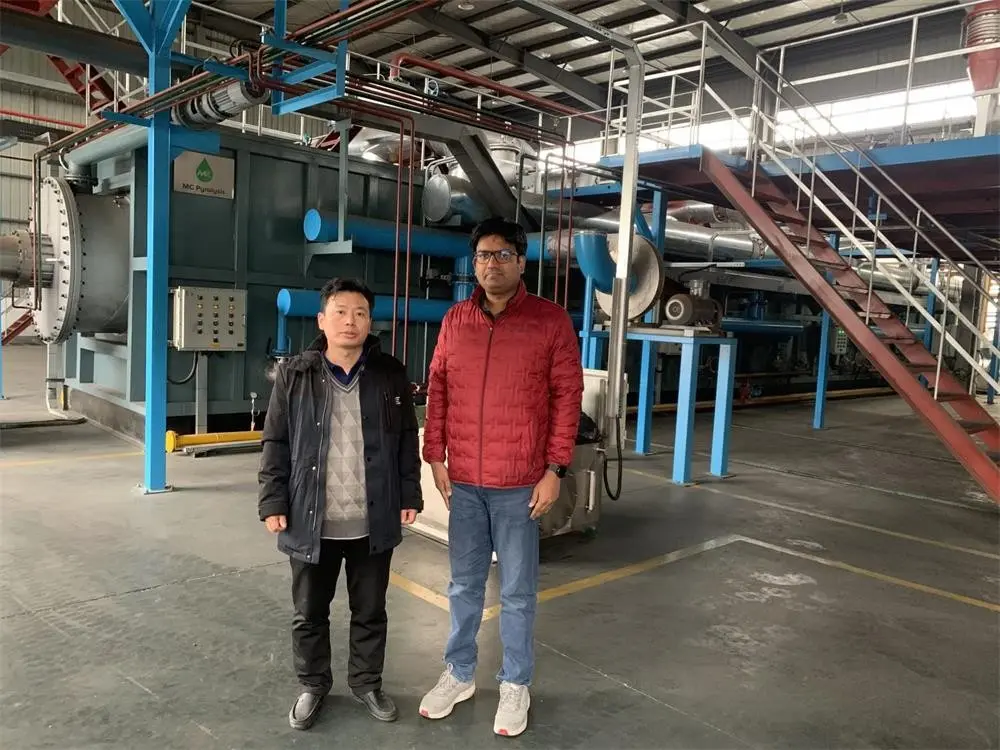
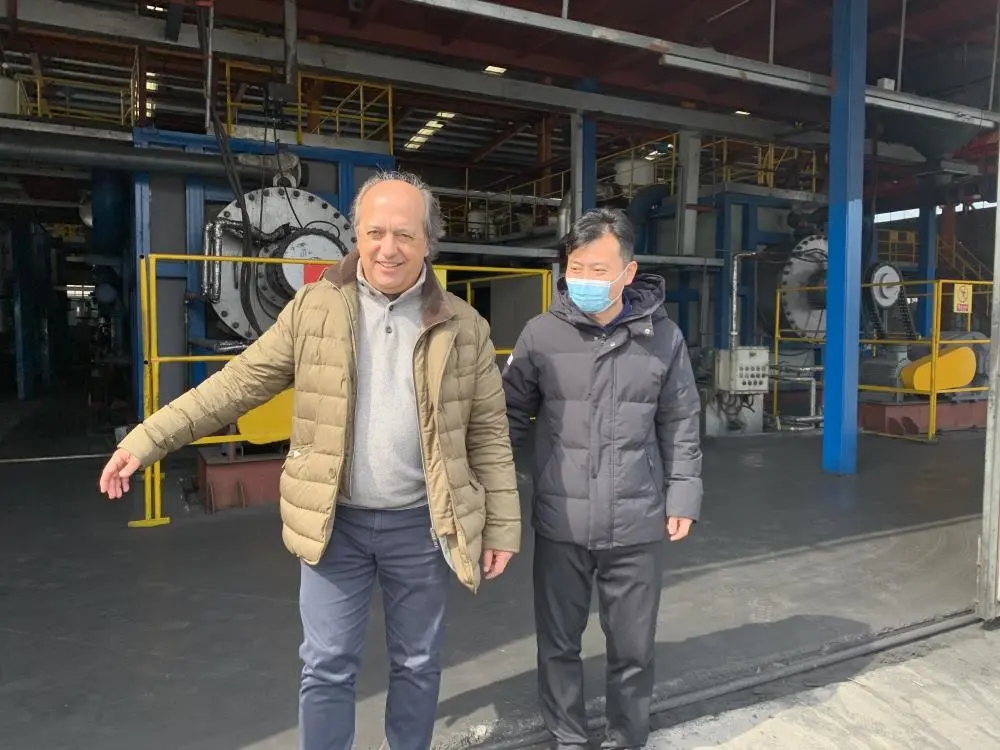
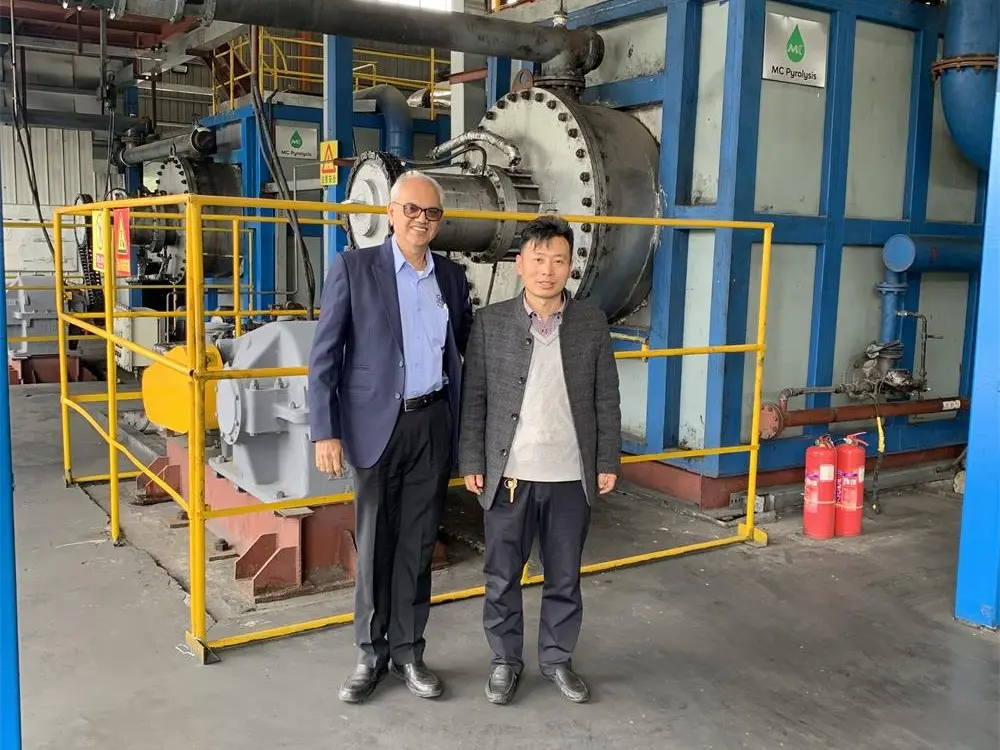
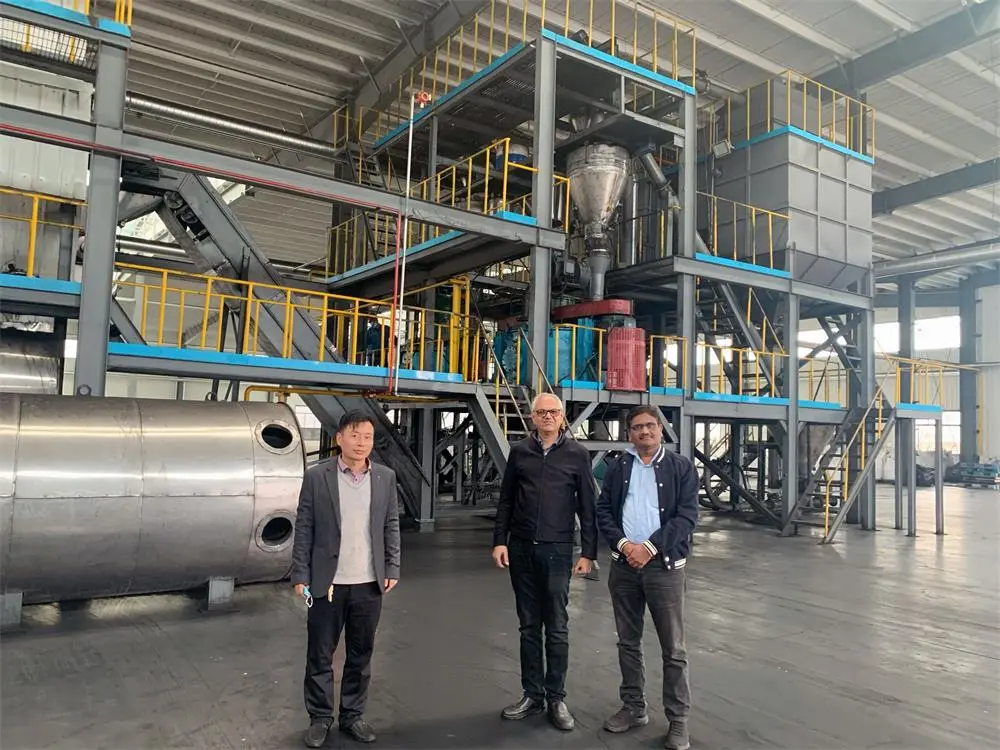
Detailed explanations regarding reactor designs, processing efficiencies, and project implementation.
The oil yield varies based on tire composition (passenger tires vs. OTR tires) and rubber-to-steel ratio. On average, you can expect an oil yield of 40% to 45%, a carbon black yield of 30% to 35%, a steel wire yield of 10% to 15%, and approximately 8% to 10% non-condensable syngas.
The non-condensable syngas passes through gas scrubbers and flame arrestors. It is then recycled directly back to the reactor burners. This reduces or eliminates the need for external fuel (diesel/natural gas) during the steady-state phase of the pyrolysis cycle.
Batch reactors process tires in cycles, requiring cooling and steel extraction between runs. Continuous plants run 24/7, using continuous screw feeders and automatic discharge systems. This allows them to handle larger daily waste volumes with lower fuel consumption and smaller labor footprints.
Under ASME Section VIII rules, reactors must include high-temperature pressure relief valves, continuous automated pressure sensors, explosion-proof inspection ports, and thick structural shells designed to withstand sudden thermal expansion and contraction cycles.
Select from our complete range of continuous screw-running systems, thermal fluid boilers, and carbon refining setups.
 Huayuan