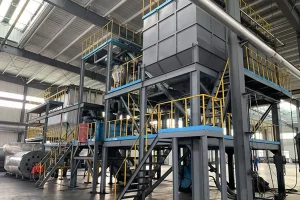
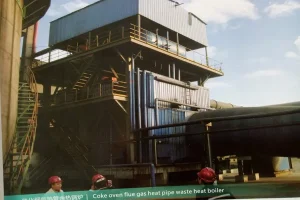
The global plastic crisis has reached a tipping point. With over 380 million tons of plastic produced annually and less than 9% successfully recycled through traditional mechanical means, the world is shifting toward Chemical Recycling. The "Plastic to Fuel" (PTF) industry is no longer a niche experimental field; it is a multi-billion dollar industrial sector essential for the global circular economy.
Market Insight: The global plastic-to-fuel market is projected to grow at a CAGR of 12.5% through 2030, driven by stringent EU regulations, carbon neutrality goals, and the rising cost of traditional fossil fuels.
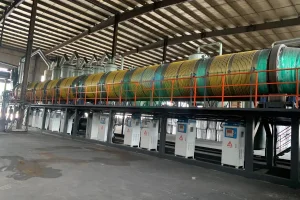
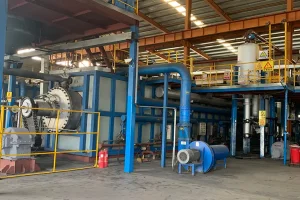
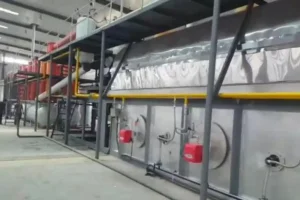
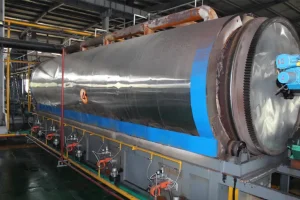
From Europe to Southeast Asia, governments are incentivizing technologies that can handle "unrecyclable" plastics—such as multi-layered films, contaminated food packaging, and industrial scraps—which mechanical recycling cannot process. This is where our high-quality pyrolysis plants provide a definitive solution, converting polymer waste into high-value synthetic crude, diesel, and carbon black.
Urban centers in developing nations are utilizing our technology to divert plastic from landfills, reducing methane emissions and producing fuel for local transport fleets.
Manufacturing hubs generate massive amounts of PE/PP/PS scrap. On-site pyrolysis plants allow these parks to achieve "Zero Waste" status while generating their own heating energy.
For islands where waste export is costly and fuel import is expensive, our modular plastic-to-fuel units provide a self-sustaining energy loop.
Today’s procurement officers from Fortune 500 companies and government agencies aren't just looking for a machine; they are looking for Reliability (E-E-A-T). They require:
Focusing on waste-to-energy and waste tire/plastic pyrolysis technology, Huayuan Tech was founded in 1968. With over half a century of engineering excellence, we have evolved from a traditional manufacturer into a global leader in thermal equipment system integration.
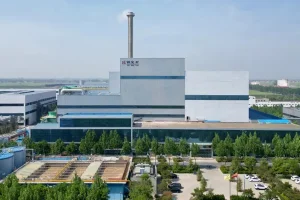
Our facility spans a massive 209,335 square meters, with a dedicated plant area of 98,680 square meters. We employ more than 500 professionals, where our engineering and technical personnel account for 34% of our total workforce. This high ratio of expertise ensures that every plant we deliver is at the cutting edge of pyrolysis science.
We hold a national A-class boiler manufacturing license and A2-class pressure vessel manufacturing license. Our ASME certification from the United States further solidifies our position as a world-class supplier capable of meeting the most stringent international engineering codes.
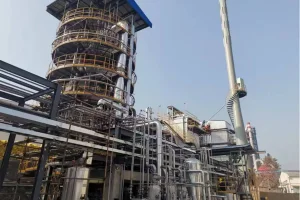
Our technology utilizes thermal degradation in the absence of oxygen to break down long-chain polymer molecules into shorter-chain hydrocarbons. Unlike incineration, our process is closed-loop and environmentally friendly.
High calorific value (42-44 MJ/kg). Can be used directly in industrial burners or refined into diesel.
A valuable byproduct used in the rubber industry, as a pigment, or as a solid fuel source.
Recycled back into the system to provide 70% of the heating energy required for the plant.
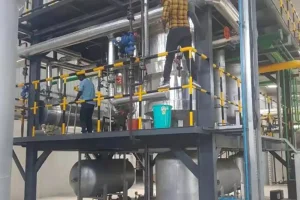
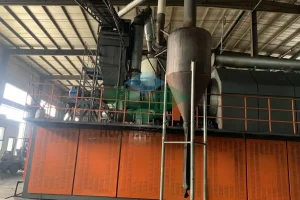
Whether you are looking for cheap electrical heating pyrolysis plants or high-quality continuous screw pyrolysis systems, our factory provides the engineering precision required to turn waste into a profitable resource. We specialize in handling various feedstocks, including 5-10cm tire blocks, rubber powder, and mixed plastic scraps.
As a premier Recycling Plastic Into Fuel Supplier, Huayuan Tech is committed to delivering high-performance, sustainable solutions that address the global waste crisis. Our factories combine decades of experience with modern AI-driven innovations to ensure that your investment in waste-to-energy technology is both environmentally sound and economically profitable.
From the initial design and pressure vessel manufacturing to global installation and system integration, we are your trusted partner in the circular economy. Contact us today to learn how our ASME-certified pyrolysis plants can transform your waste management operations into a high-yield energy production hub.
 Huayuan