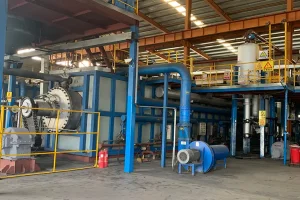
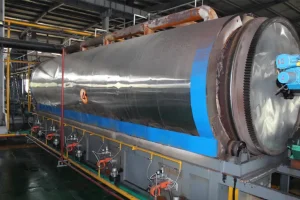
Explore our industrial portfolio designed to convert heavy carbon by-products and biomass residues into high-value utilities.
The rapid expansion of global food manufacturing, industrial cooking, and fatty acid processing plants has driven a massive volume of waste vegetable oil, specifically Used Sunflower Cooking Oil (UCO). Unregulated or inefficient disposal of raw sunflower oil results in significant environmental pollution, sewage line crystallization (fatbergs), and severe greenhouse gas emissions. For multinational food processors and bio-refineries, implementing a high-throughput, compliant disposal strategy is not just a regulatory obligation; it is a critical step towards circular economics.
Huayuan Tech provides state-of-the-art thermochemical and catalytic solutions engineered to convert highly acidic organic wastes, including low-grade sunflower oil, grease trap residues, and crude oleochemical by-products, into refined bio-heating oil, synthesis gas, and recoverable heat energy. Our custom-designed modular plants integrate continuous raw material prep-tanks, heat-exchanger loops, and advanced thermal crack units to optimize utility recovery while minimizing operating costs.
Focusing on waste to energy and waste tire pyrolysis technology, Huayuan Tech was founded in 1968. Our comprehensive manufacturing landscape covers an area of 209,335 square meters, with a dedicated plant area of 98,680 square meters. Over the decades, we have scaled our workforce to more than 500 highly-skilled employees, with our specialized engineering and technical personnel accounting for 34% of the total organizational strength.
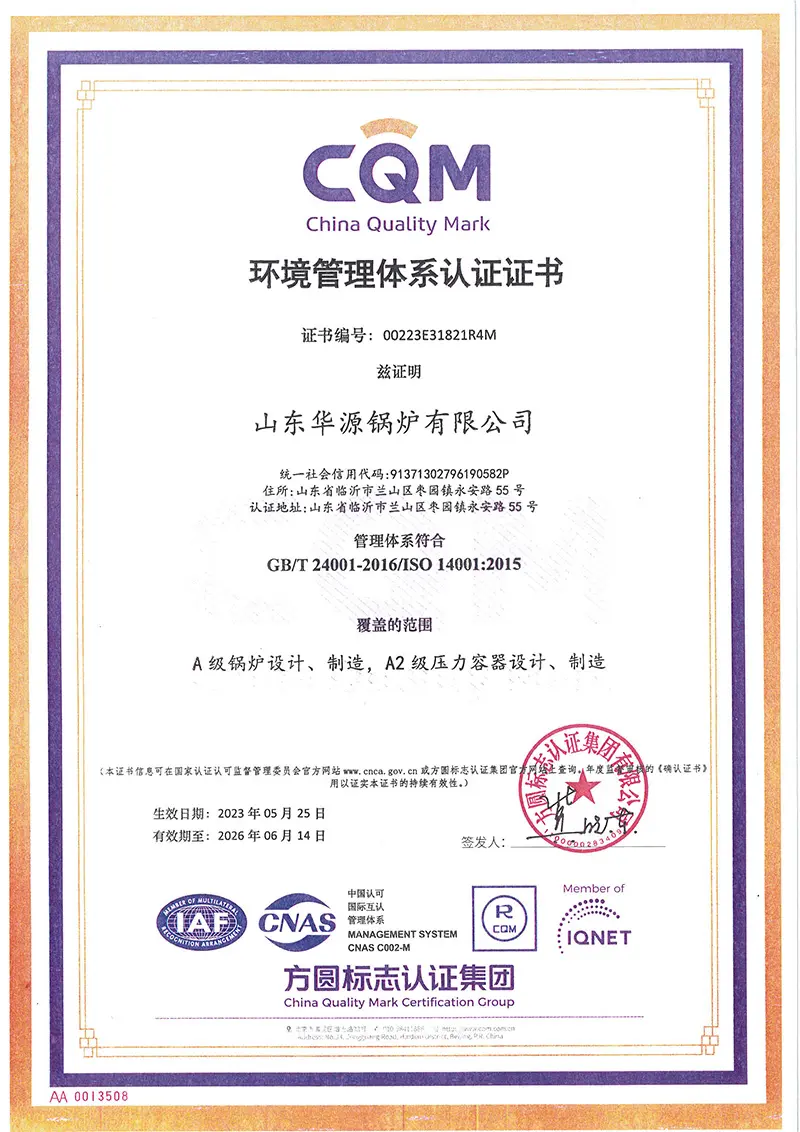
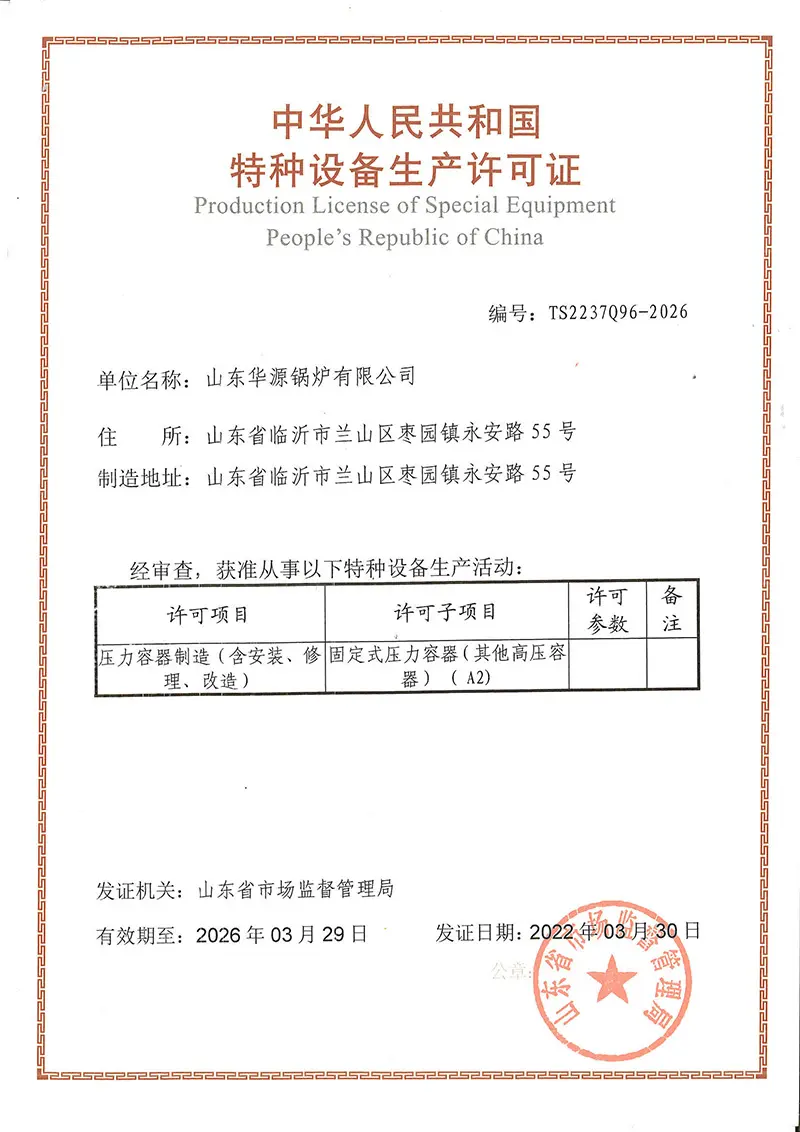
We maintain a complete range of A-class boilers and pressure vessels complete sets of manufacturing and testing equipment. Backed by a valid pressure pipe installation permit, Huayuan Tech is certified under ISO9001, ISO14001, OHSAS18001 three system standards, and proudly holds the United States ASME certification.
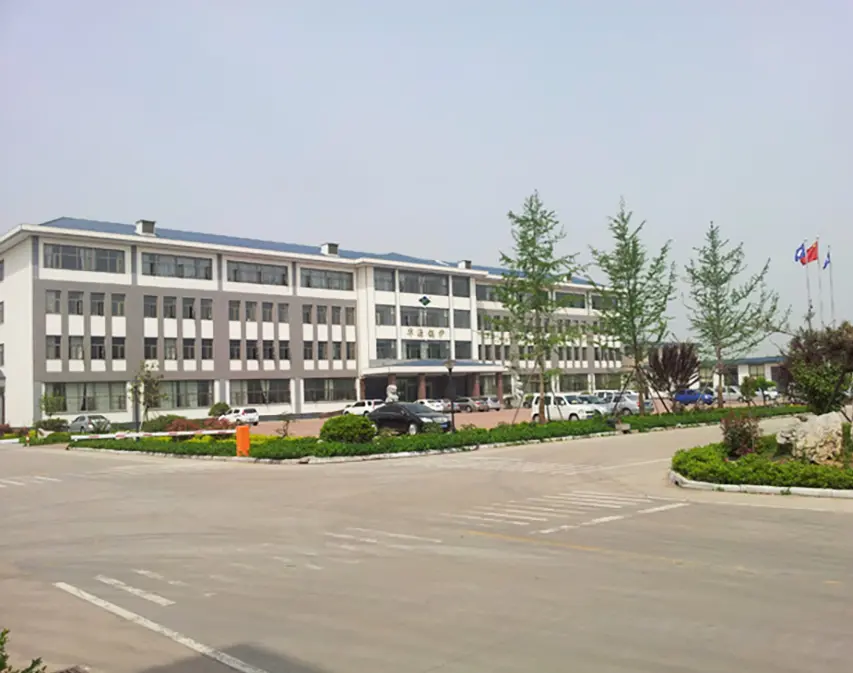
With the continuous development of enterprises, Huayuan Tech has evolved into a multi-disciplinary conglomerate engaged in boiler engineering, class-A pressure vessel fabrication, waste tire and plastic scrap pyrolysis machinery development, manufacturing, sales, consulting services, thermal equipment system integration, contract energy management, and project investment and financing. We are deeply supplemented by energy-efficient utilization professional groups to serve clients globally.
We hold national A-class boiler manufacturing licensing, A2-class pressure vessel licenses, and D1D2 pressure vessel design certificates. This unmatched level of licensing ensures that all critical structural weldments, steam condensers, and thermochemical reactors utilized in our sunflower oil processing and waste treatment plants are engineered to survive extreme thermal loads, ensuring long-term operational safety.
An in-depth review of the chemical mechanisms, processing parameters, and structural steps involved in reclaiming industrial sunflower oil.
Waste sunflower oil contains high levels of Free Fatty Acids (FFA), moisture, and particulate food remnants. Through a centralized pre-treatment module, the raw oil undergoes physical filtration and thermal dehydration. Acid values are balanced, preventing corrosion in downstream cracking reactors.
The processed triglyceride chains are subjected to continuous pyrolysis or high-temperature cracking (350°C to 450°C) inside oxygen-free reactors. Under controlled conditions, complex lipid structures break down into shorter-chain hydrocarbons, reproducing synthetic diesel and gasoline fractions.
Vaporized hydrocarbons enter our multi-stage condensing columns. Precise temperature gradient control allows for separation into light bio-gas, high-energy liquid paraffin, and clean bio-diesel compounds, ready to be utilized as alternative fuels for onsite boilers or external power networks.
Unlocking clean efficiency, scaling environmental compliance, and building resilient value chains for heavy industries.
Globally, commercial and industrial companies are facing immense pressure to reduce Scope 1 and Scope 3 carbon footprints. Municipal waste companies, large-scale food chains, and industrial lipid factories require integrated systems that can automate used cooking oil collection, cleaning, and recovery at a low price-per-gallon cost.
As an industry-leading manufacturer, Huayuan Tech designs and exports modular waste-to-energy plants and bio-oil refining machinery configured for continuous duty. Our systems are engineered to help waste management firms transform waste sunflower oil from a financial liability (disposal fees) into a lucrative revenue stream (commercially certified biofuels).
Whether your operation requires localized small-batch semi-continuous systems or massive continuous multi-reactor facilities handling over 50 metric tons per day, our engineering team customizes each package to guarantee compatibility with your regional feedstock characteristics.
Unswervingly pursuing technological innovation and building strong core competitiveness since our establishment.
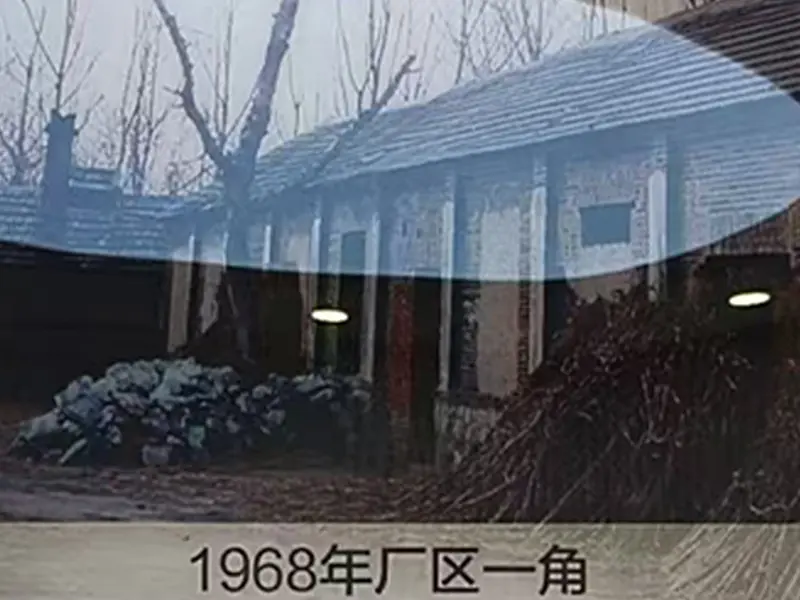
Initially, Huayuan Technology developed boiler technology in several factory workshops.
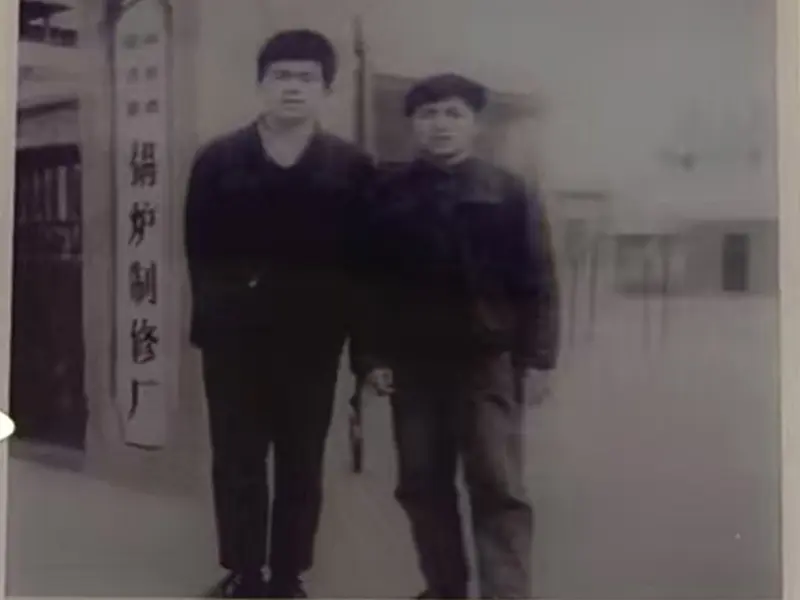
It was restructured as Linyi County Boiler Manufacturing and Repair Factory, under the jurisdiction of Linyi County Industrial Bureau.
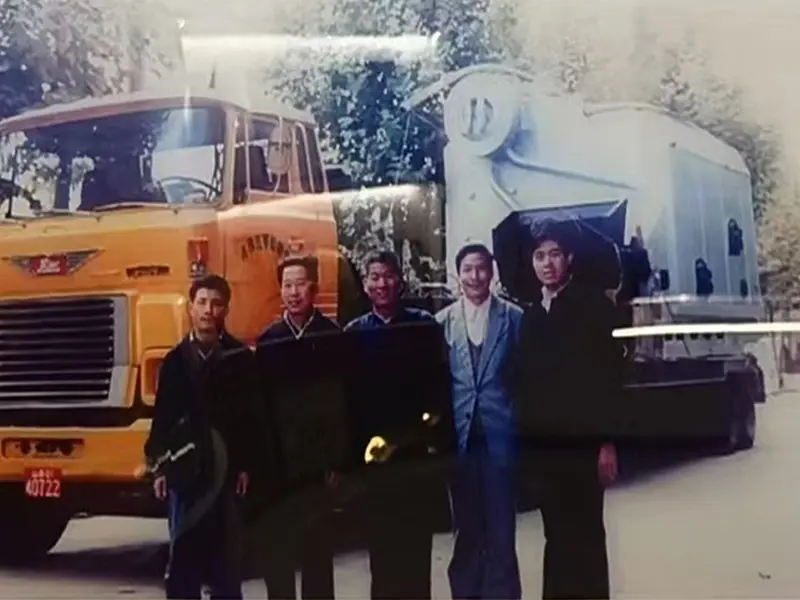
It was renamed Linyi Boiler Factory, merged with Linyi Auto Parts Factory, and relocated to 373 Tongda Road.
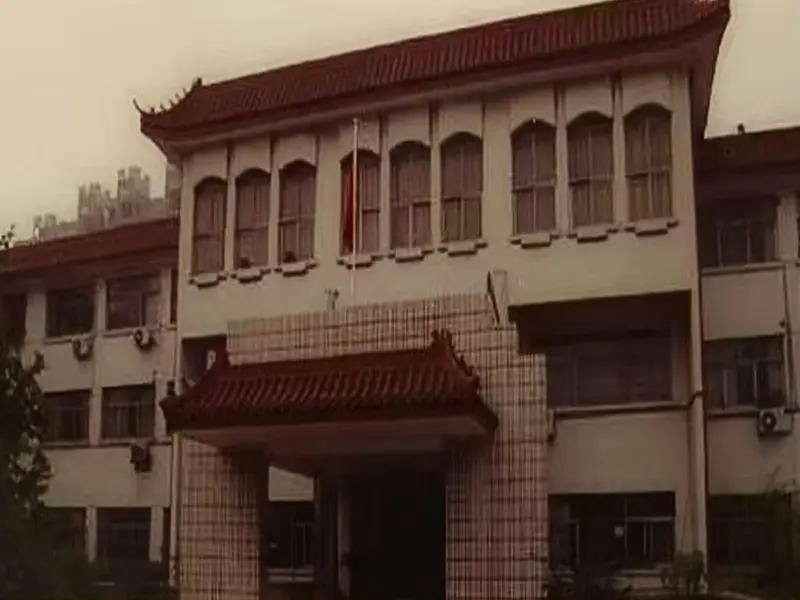
It was restructured into Linyi Boiler Co., Ltd.
The successful restructuring provided wings for the company's takeoff and took the first step towards becoming a modern enterprise.
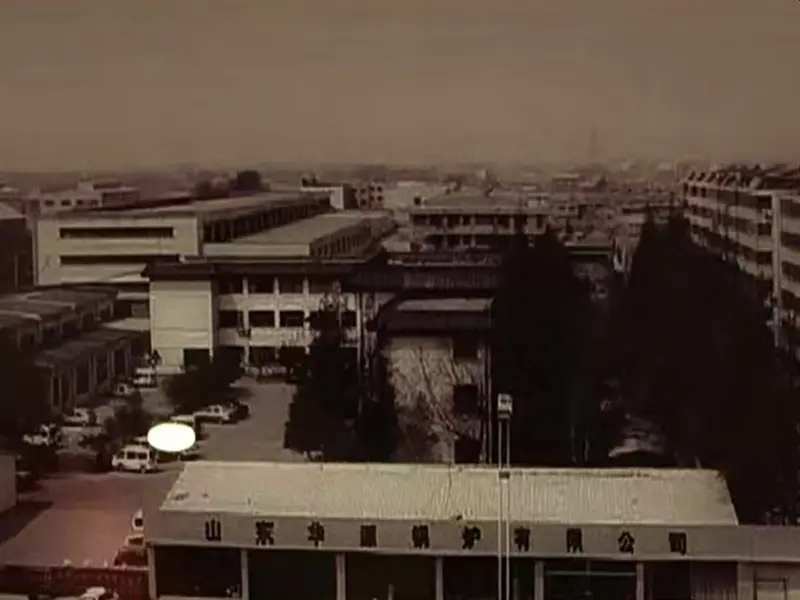
We obtained the national A-level boiler manufacturing license, obtained ISO three system certification. We also started to produce batch model waste tire pyrolysis plant.
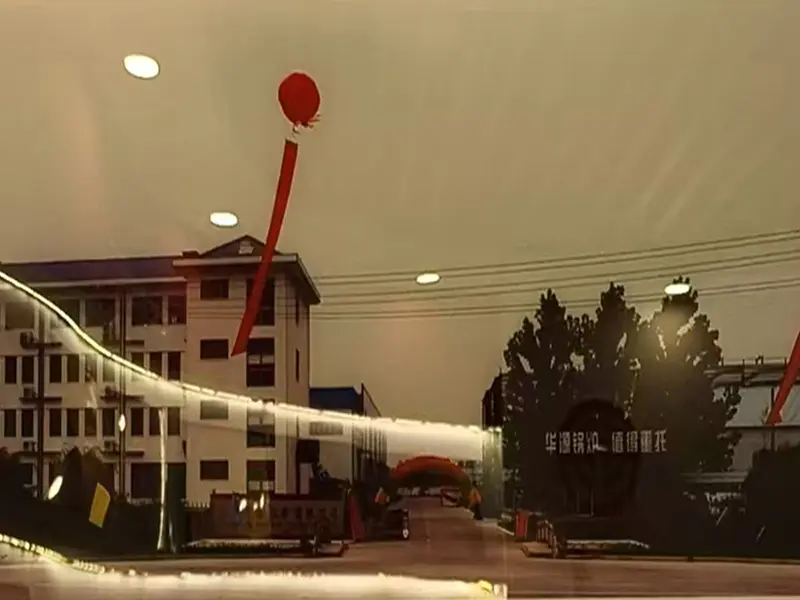
Huayuan moved to a new factory, covered area of 220 acres in Zaoyuan Town Industrial Park. Huanyuan started to developed continuous model pyrolysis plant.
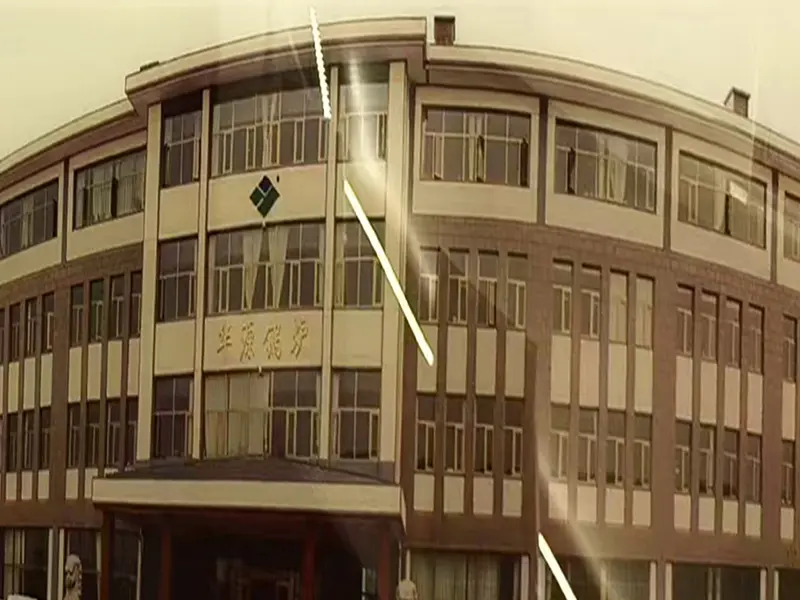
Screw running model continuous pyrolysis plant was successfully developed. The company has obtained certificates such as high-tech enterprise and American ASME certification, and the Huayuan brand has gone global!
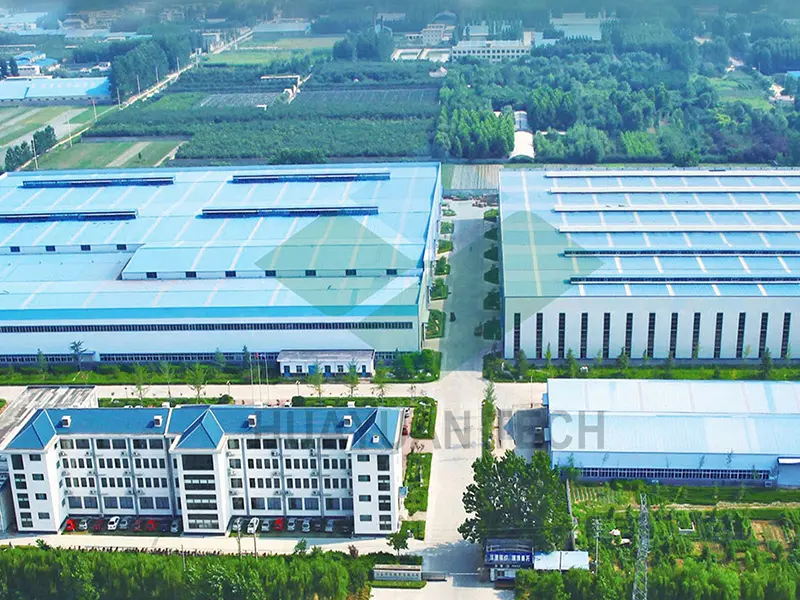
On September 2021, adhering to the corporate vision of "doing energy conservation and emission reduction, making the sky bluer, the earth greener, and the water cleaner"
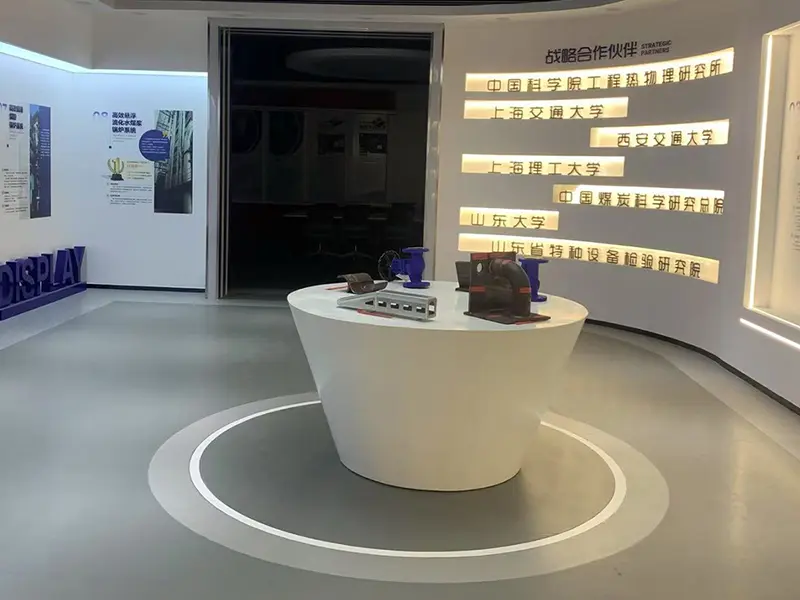
In high-temperature environmental engineering, safety and quality assurance are paramount. Under our corporate development philosophy of "innovation, quality, honesty," we rely on a strong environmental and energy conservation foundation. With superb professional skills and a unique R&D philosophy, we establish strong partnerships with scientific institutions to consistently deliver cutting-edge products.
Our manufacturing workshops are equipped with automated testing, ultrasonic weld inspection, and real-time stress-relieving thermal chambers. These ensure that our waste-to-energy boilers and pressure containers function reliably under continuous thermal loads.
With our national A-class boilers and A2-class pressure vessels manufacturing license, coupled with D1D2 design certificates, we provide clients with reliable assurances for insurance approval, government compliance, and safe operations.
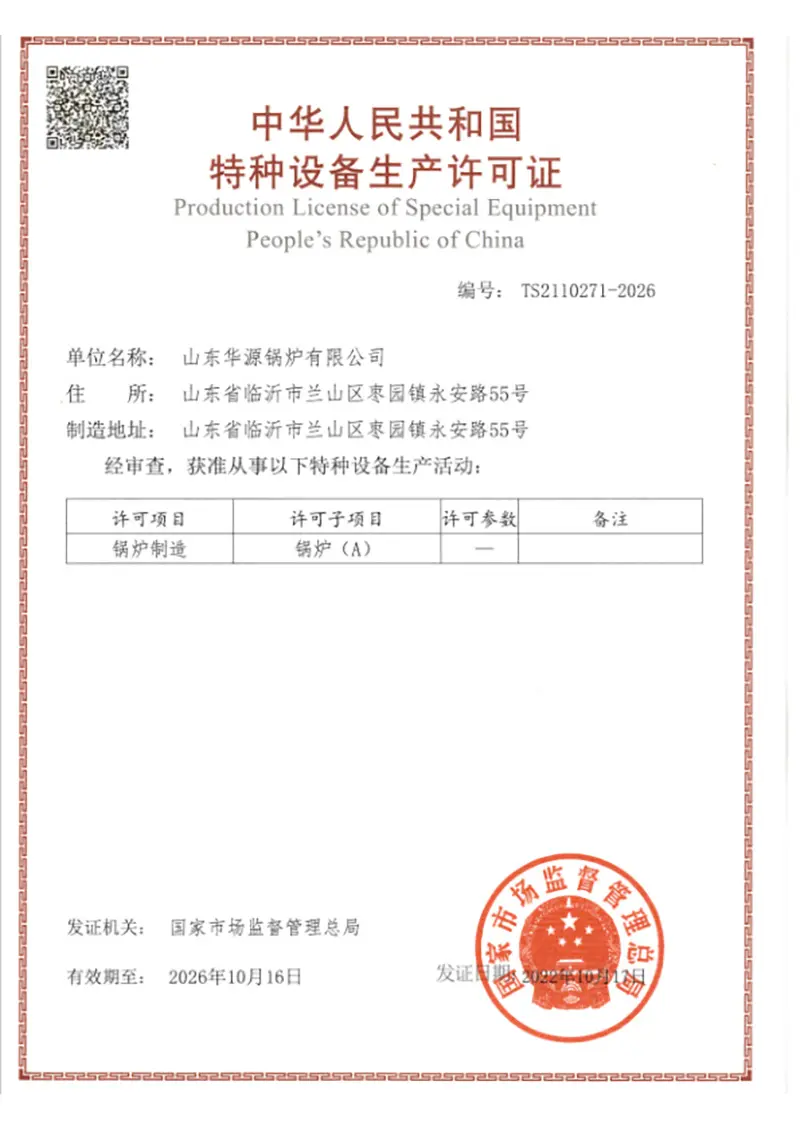
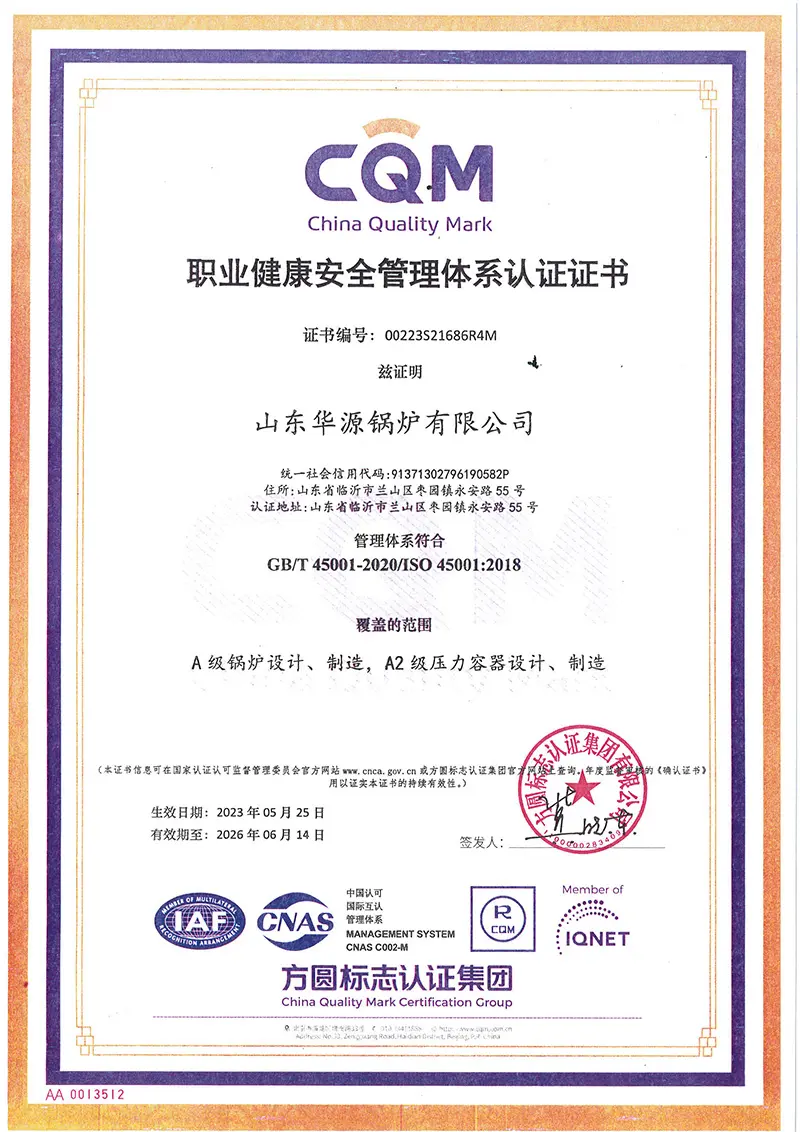
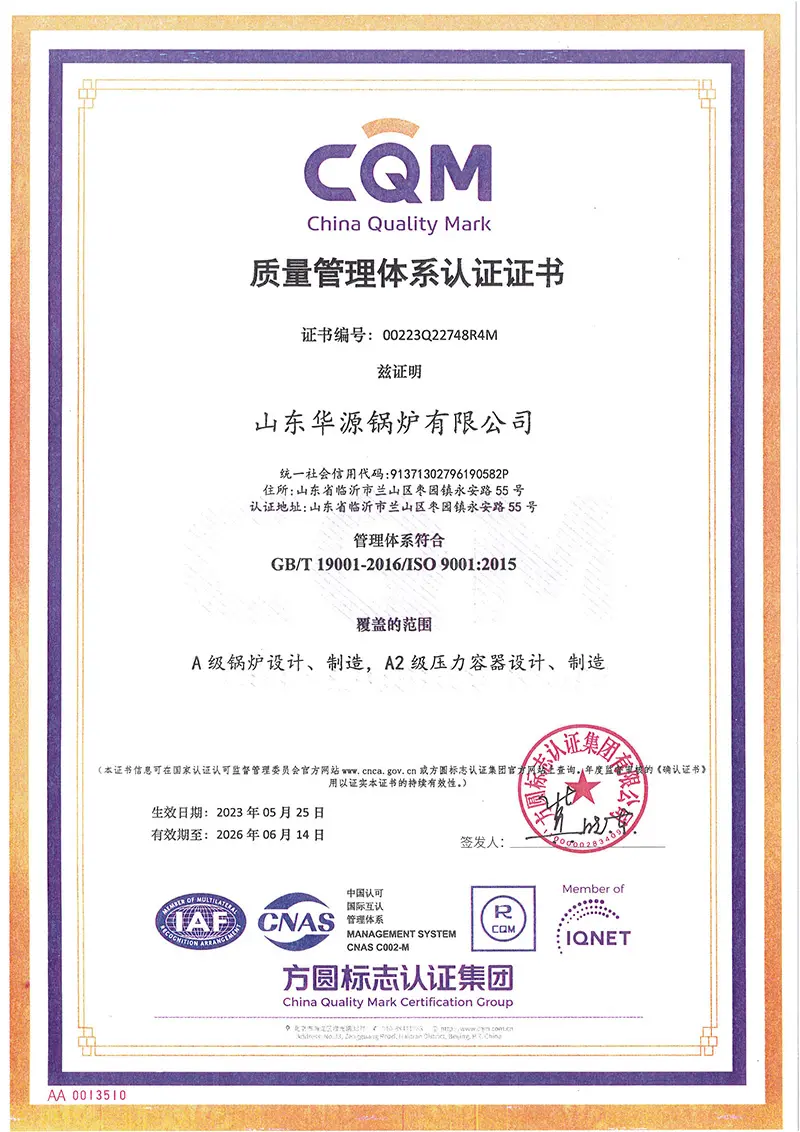
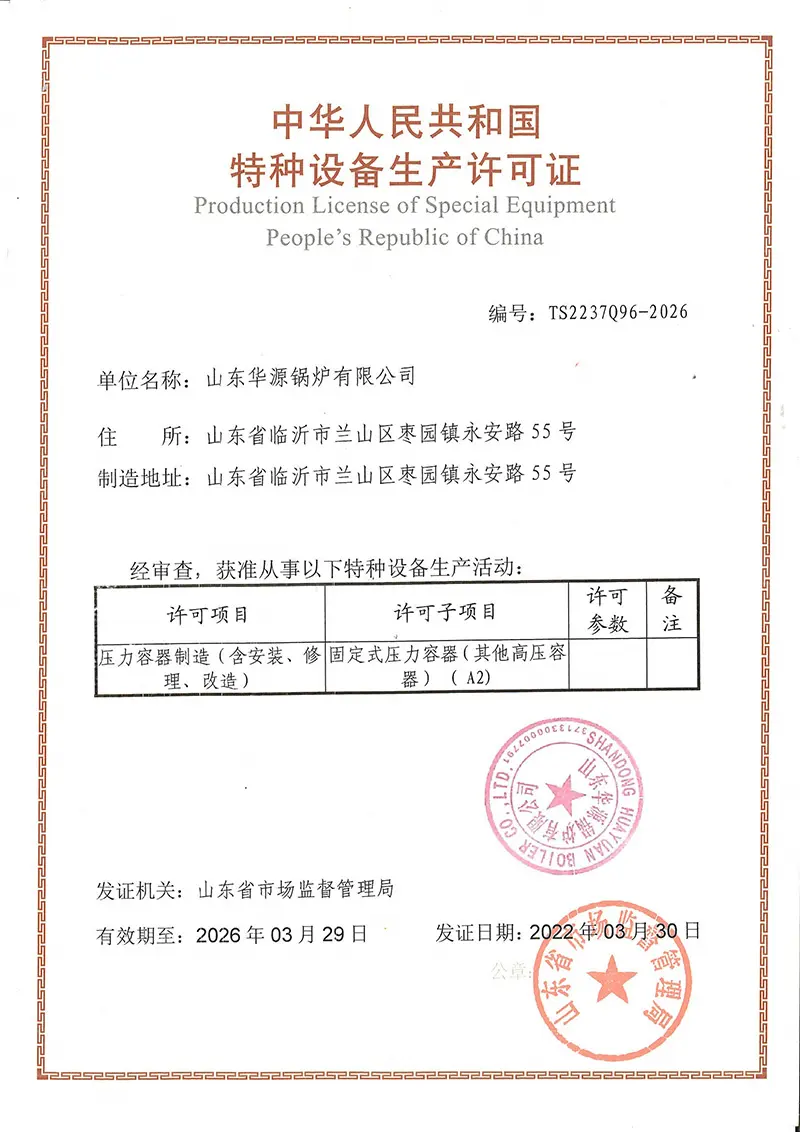
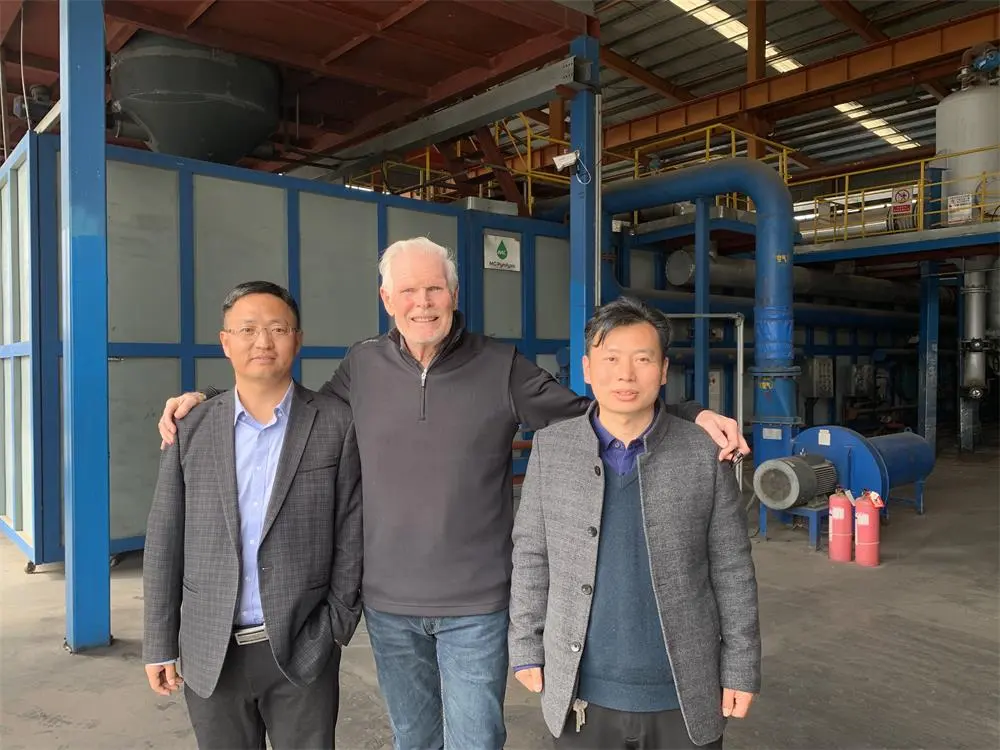
Developing high-efficiency thermal equipment, solid waste systems, and continuous pyrolysis solutions to build a greener world.
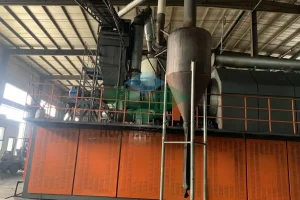
Robust gas-cleaning systems engineered to capture hazardous components and refine biogas emissions.
Learn More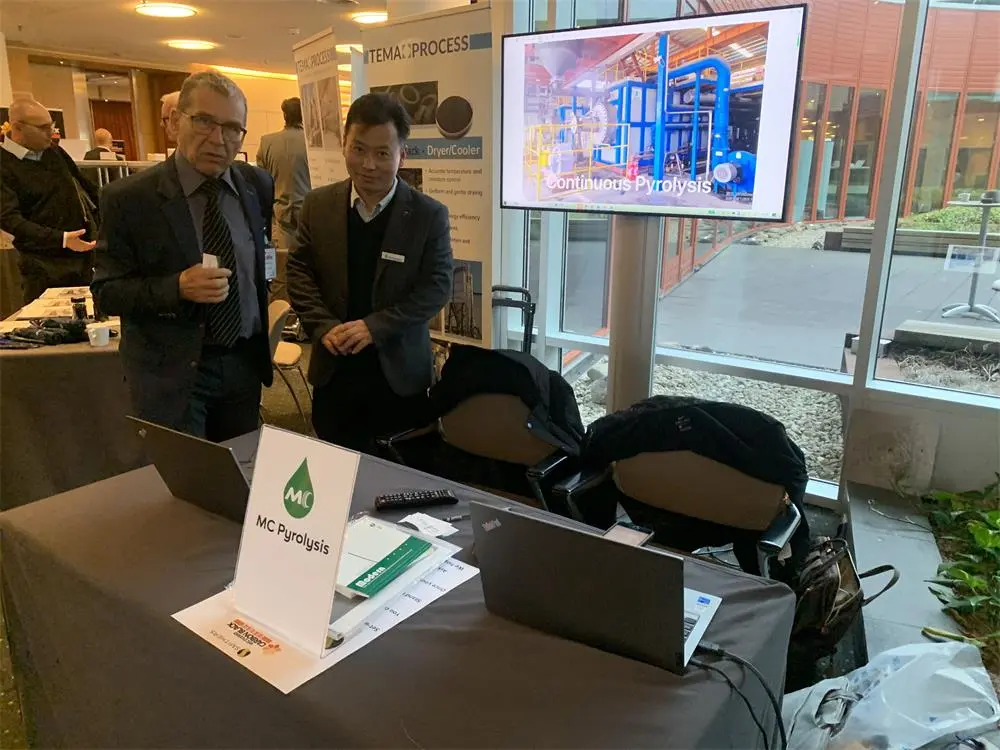
Multi-tier fractionation systems to separate heavy, medium, and light oil properties with precision.
Learn More
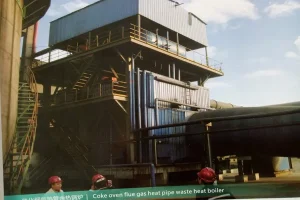
High-grade heat exchangers that redirect exhaust thermal energy to prep-tanks, optimizing efficiency.
Learn More
Advanced hydrocarbon cracking units to process high-FFA vegetable oil into light fraction distillates.
Learn More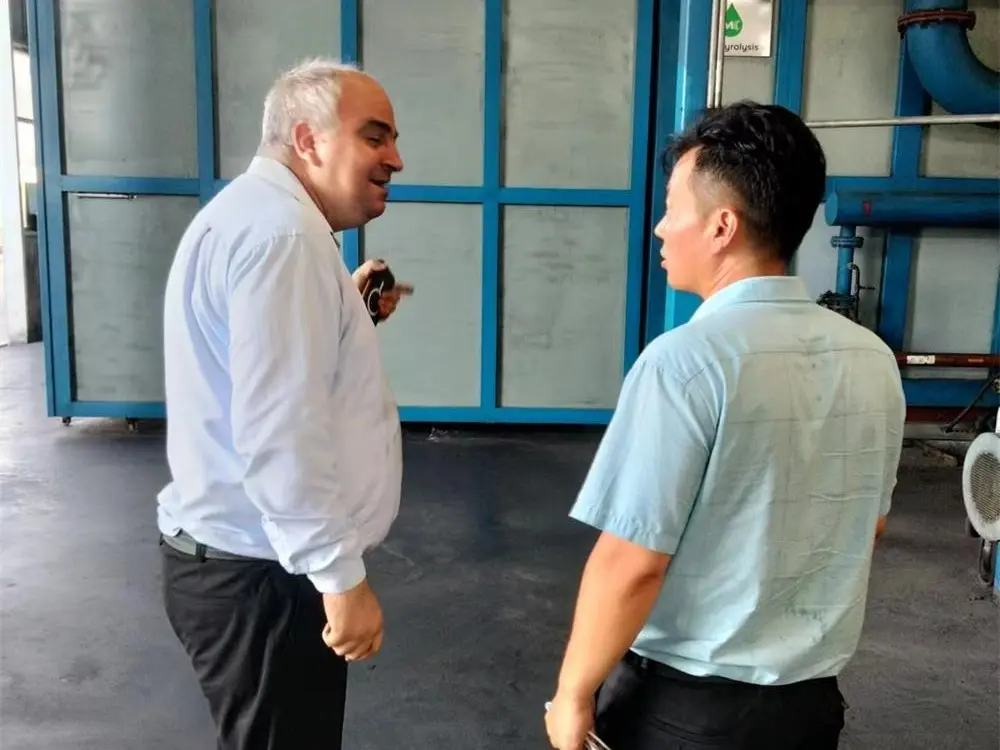
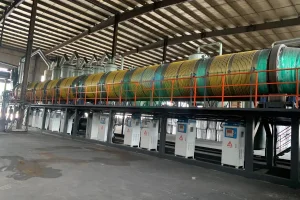
ASME-certified reactors designed for organic lipid cracking, tire and plastic pyrolysis.
Learn More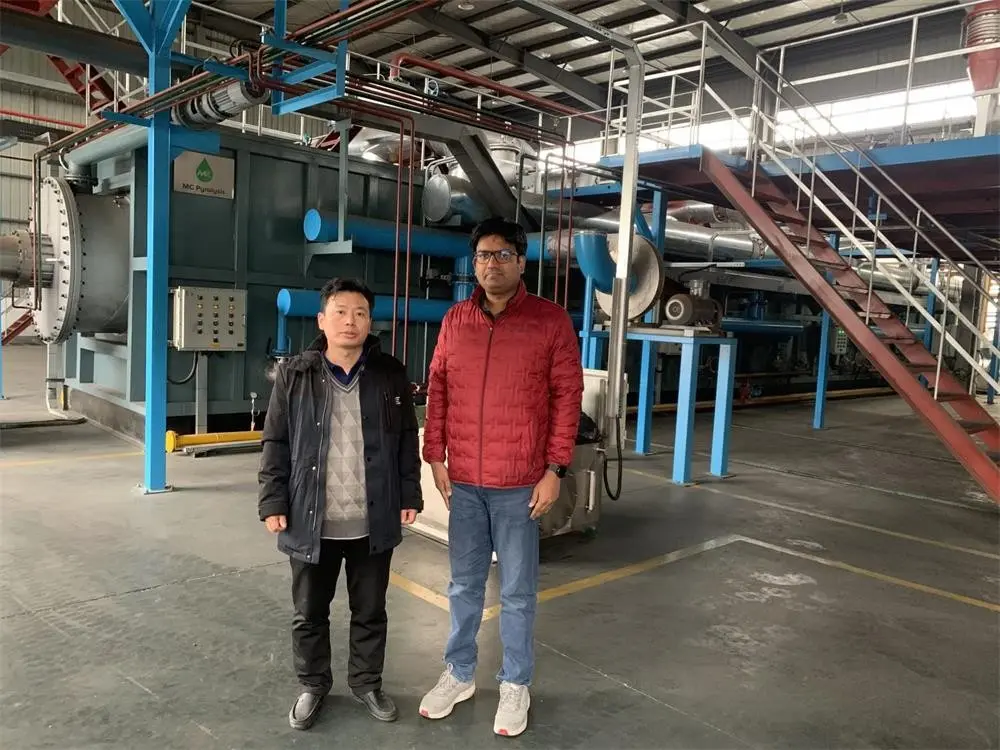
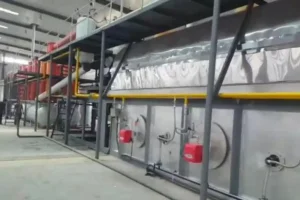
High-temperature oil heating systems that provide stable, indirect heating to processing loops.
Learn More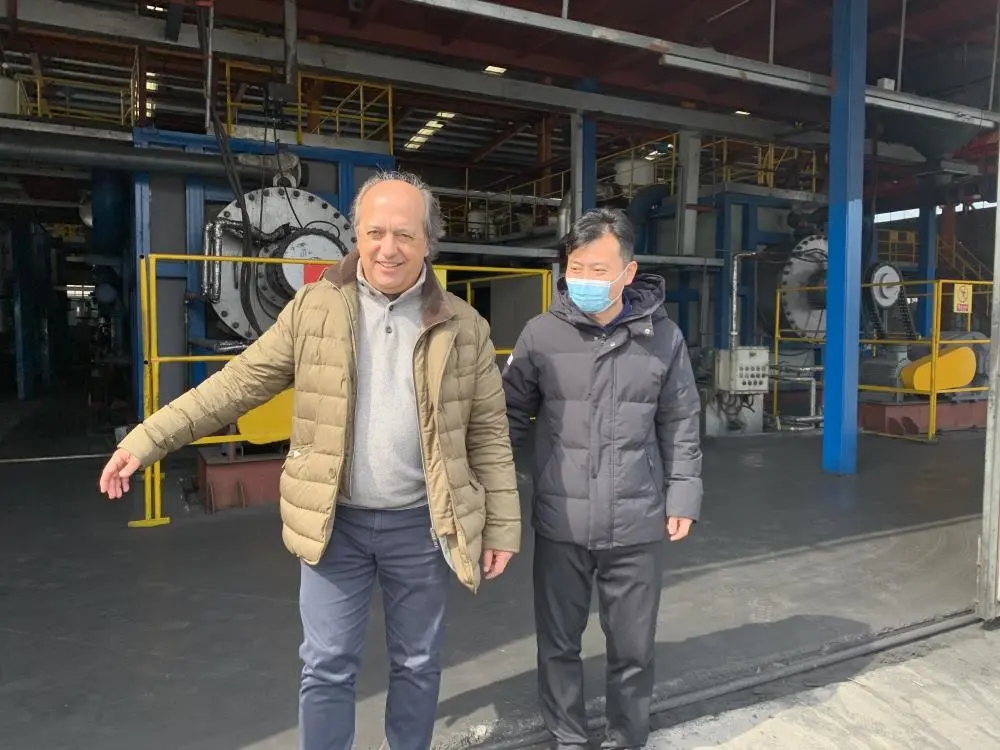
High-pressure boilers capable of combusting synthesized bio-gas and liquid waste fuels.
Learn More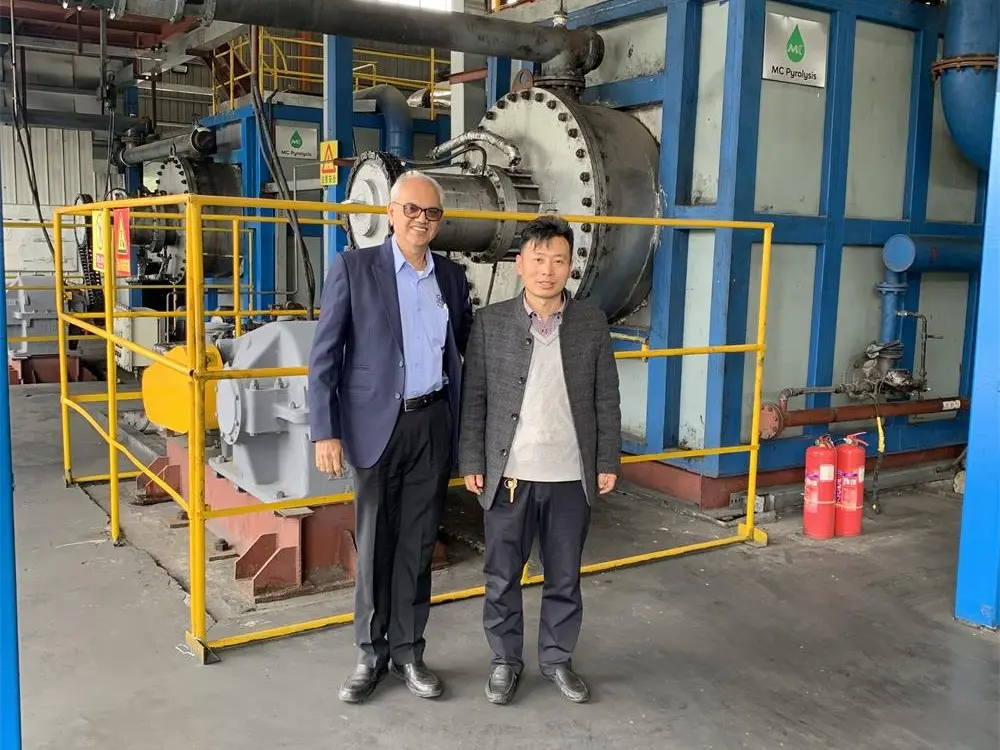
Industrial PLC units tracking temperatures, pressures, and flow rates across the facility.
Learn More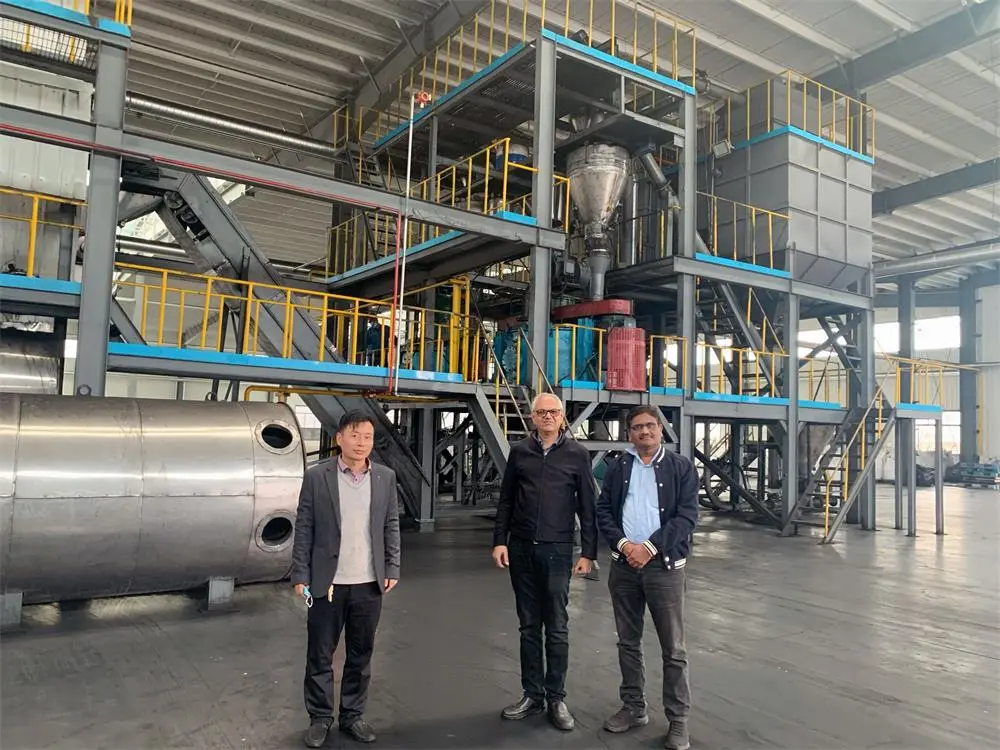
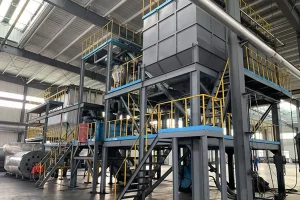
Airtight feedstocks systems ensuring uninterrupted flow of agricultural residues and bio-oils.
Learn MoreExploring the evolution of waste lipid conversion and next-generation pyrolysis systems.
By integrating automated centrifugal separation and membrane micro-filtration, our upcoming plants will handle highly polluted UCO and sunflower oil containing up to 15% moisture and FFA without manual sorting or chemical neutralizing agents.
Adapting our reactors to facilitate deep hydro-cracking. This technical pathway permits the conversion of waste vegetable oils directly into drop-in aviation fuel components, aligning with global airlines' CORSIA carbon offset mandates.
Developing AI-based thermal control models that adjust combustion air ratios and feed speed dynamically based on the viscosity and water content of the input oil. This minimizes fuel consumption while increasing processing capacity.
Exporting complex environmental processing plants requires deep knowledge of local compliance frameworks. Huayuan Tech supports B2B customers with complete turnkey commissioning solutions. From initial engineering drawings and local EPA permit applications to final mechanical assemblies, civil construction planning, and team training, our field technicians guarantee seamless deployment.
We offer 24/7 remote diagnostic support for all continuous pyrolysis and boiler systems. Through integrated PLC sensors, our central engineering hub can assist your operators in adjusting thermal settings, ensuring maximum uptime.
Whether your project is located in North America, Europe, Southeast Asia, or South America, our multi-lingual field support teams are fully qualified to certify safety systems to meet domestic industrial directives.
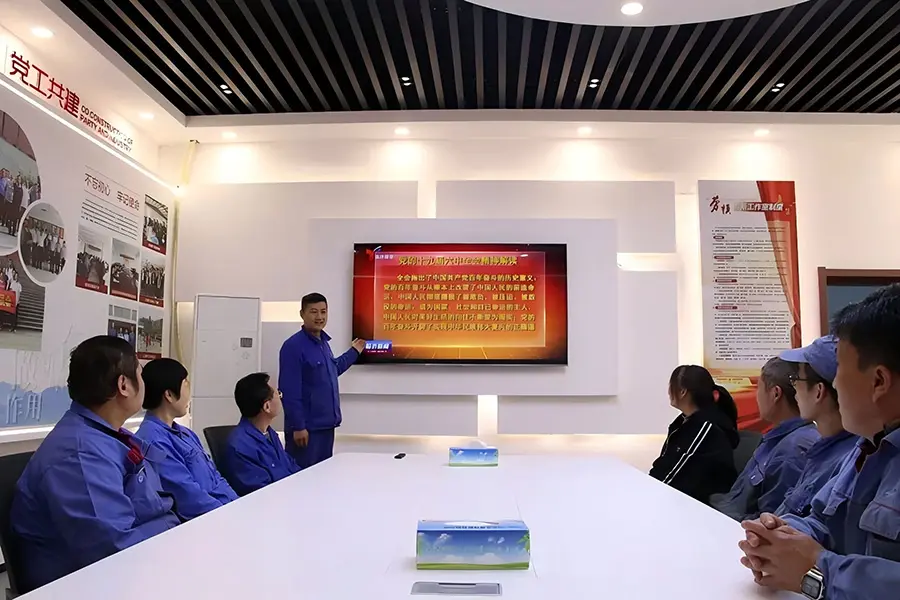
Get answers to key technical questions about industrial sunflower oil disposal and pyrolysis plants.
Deploy dependable, industrial-grade equipment to optimize resources and reduce carbon footprints.
 Huayuan