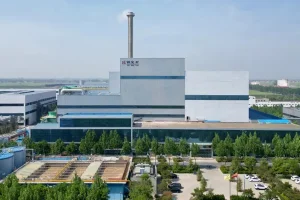
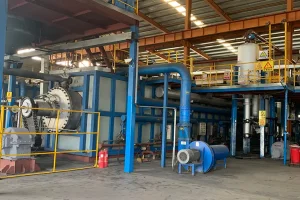
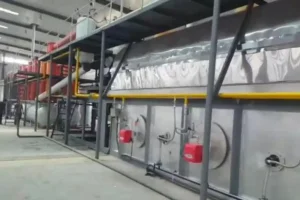
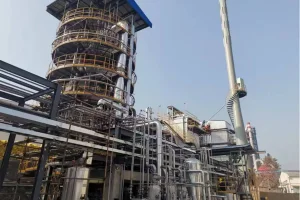
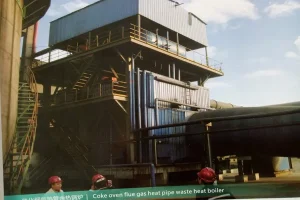
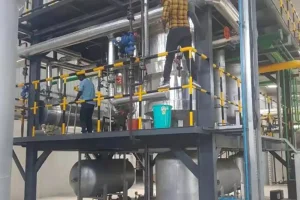
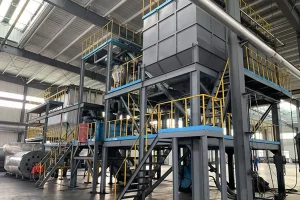
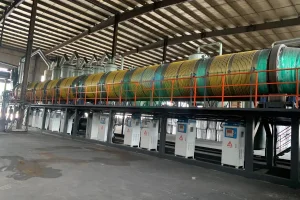
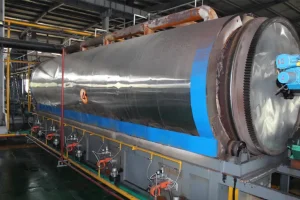
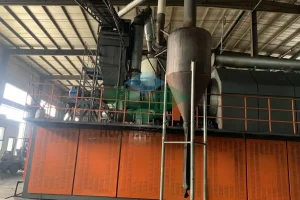
Founded in 1968, Huayuan Tech has evolved into a global titan in the waste-to-energy and waste tire pyrolysis sector. With a colossal footprint of 209,335 square meters and a dedicated workforce of over 500 professionals—34% of whom are specialized engineering experts—we stand as a beacon of industrial excellence. Our facility is equipped with state-of-the-art A-class boiler and pressure vessel manufacturing and testing equipment.
Our commitment to quality is validated by our ISO9001, ISO14001, and OHSAS18001 certifications, alongside the prestigious United States ASME certification. We are not just manufacturers; we are thermal equipment system integrators and contract energy management specialists.
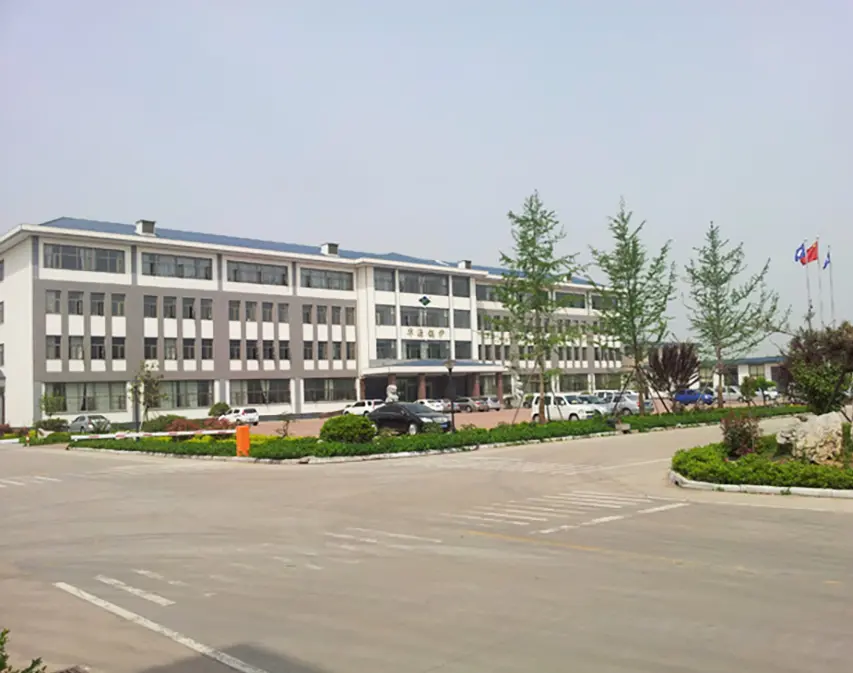
Chinese factories leverage a massive domestic supply chain, allowing for the integration of high-grade steel, precision sensors, and advanced thermal components at a fraction of the cost found in Western markets.
As seen in Huayuan's history, we moved from batch models to screw-running continuous models in record time. Our engineering density allows for rapid customization based on specific feedstock (tires, plastic, or engine oil).
The capital expenditure (CAPEX) for a waste engine oil plant from China is typically 40-60% lower than European alternatives, ensuring a much faster Return on Investment for waste management firms.
Located in Linyi, a major logistics hub, we specialize in the modular shipping of large-scale pressure vessels, ensuring safe and timely delivery to ASEAN, Europe, and the Americas.
Modern Chinese manufacturers design for global standards. By meeting ASME and ISO requirements, our equipment is ready for permitting in the most stringent environmental jurisdictions.
Our plants are designed to utilize non-condensable gases produced during the pyrolysis process to heat the reactor itself, significantly lowering operational costs (OPEX).
Huayuan Technology unswervingly pursues technological innovation to build strong enterprise core competitiveness. We adhere to "innovation, quality, and honesty," treating environmental protection as a prerequisite and technology as our primary means.
Traditional waste engine oil disposal involved incineration or dumping, both of which are environmentally catastrophic. Modern solutions prioritize Fractional Distillation and Pyrolysis. By breaking down the long-chain hydrocarbons under anaerobic conditions, we transform used lubricant into high-value diesel or fuel oil, which can be reused in industrial burners or heavy machinery.
Global corporations are now under intense pressure to report their Environmental, Social, and Governance (ESG) scores. Implementing a Huayuan Tech waste-to-energy system allows enterprises to claim carbon offsets, as the process significantly reduces the reliance on virgin fossil fuels.
Verified Quality for International Procurement Security
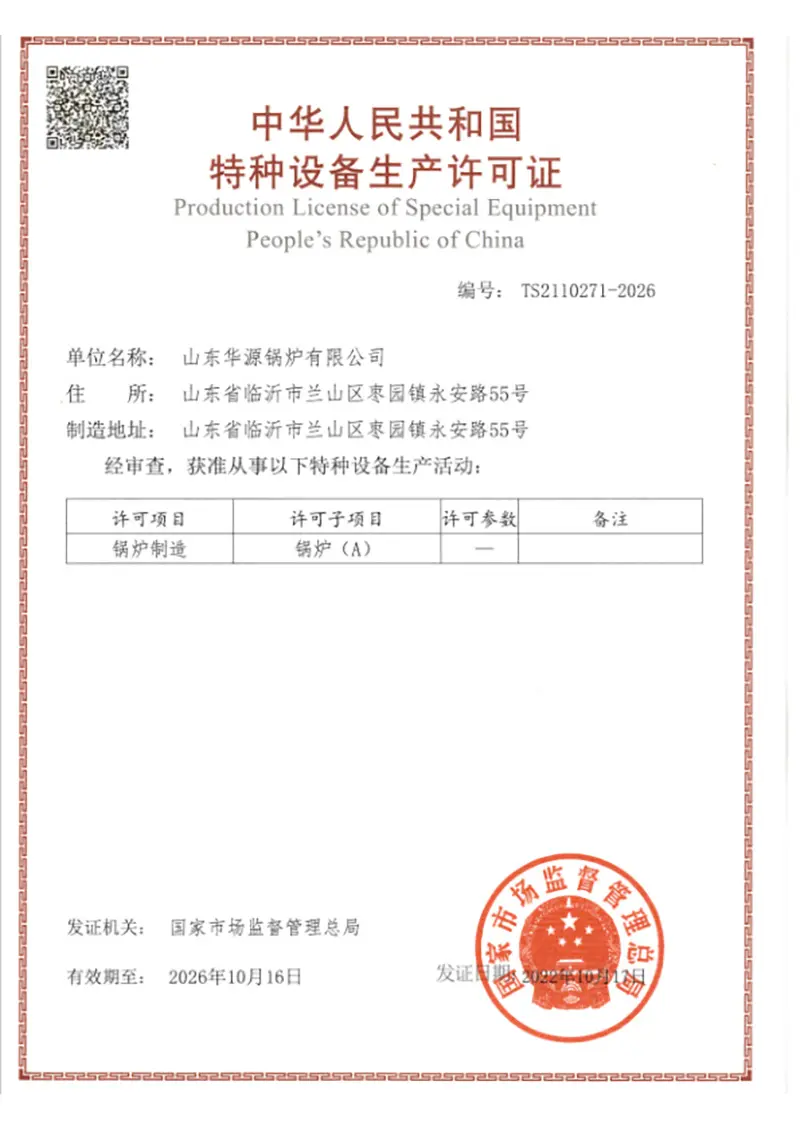
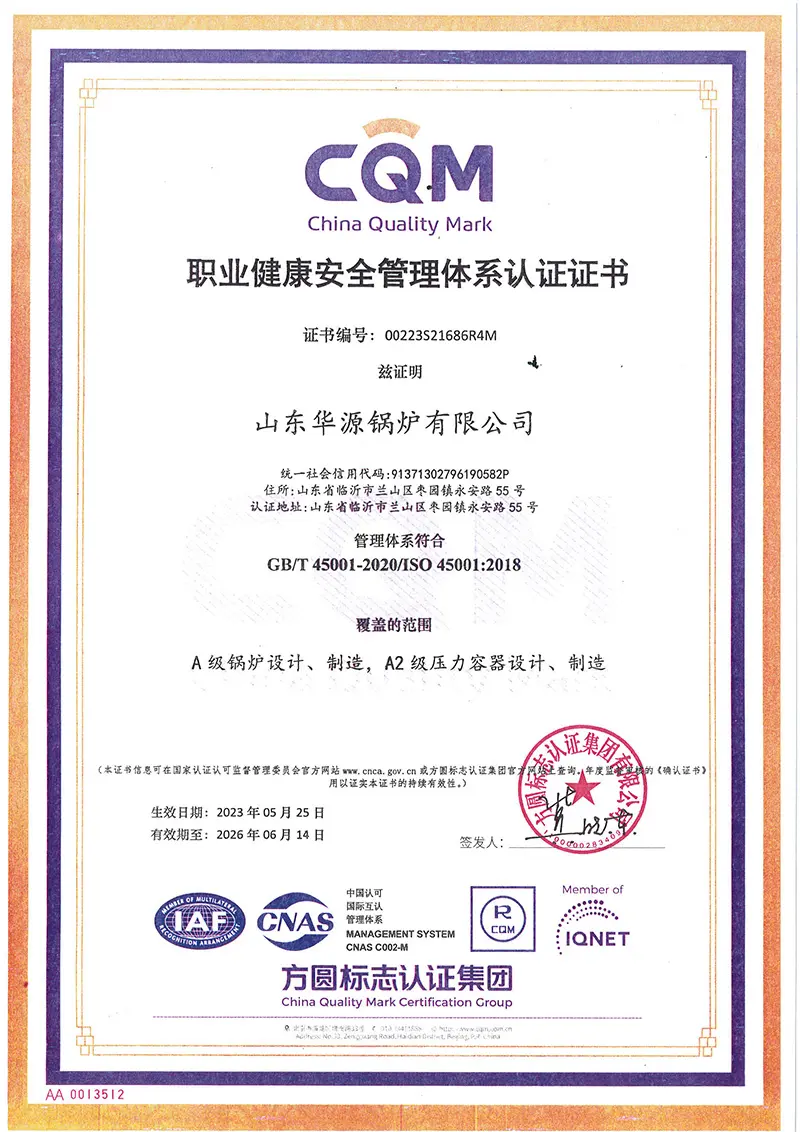
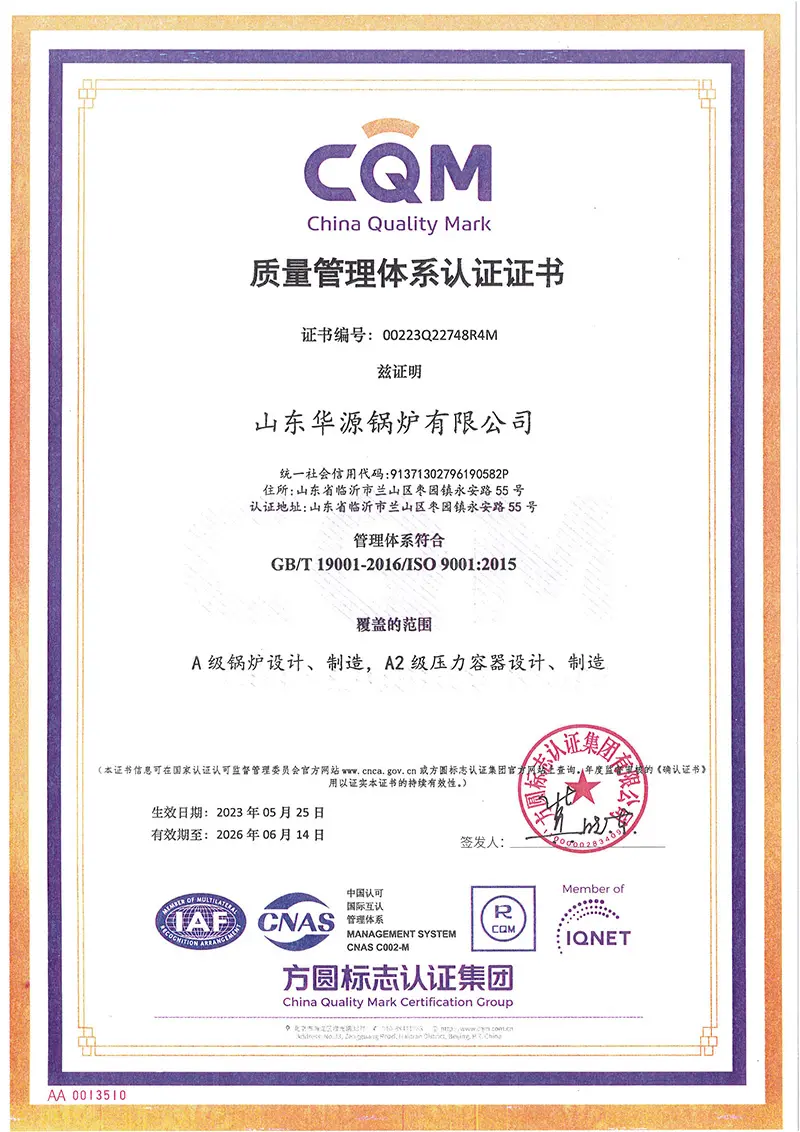
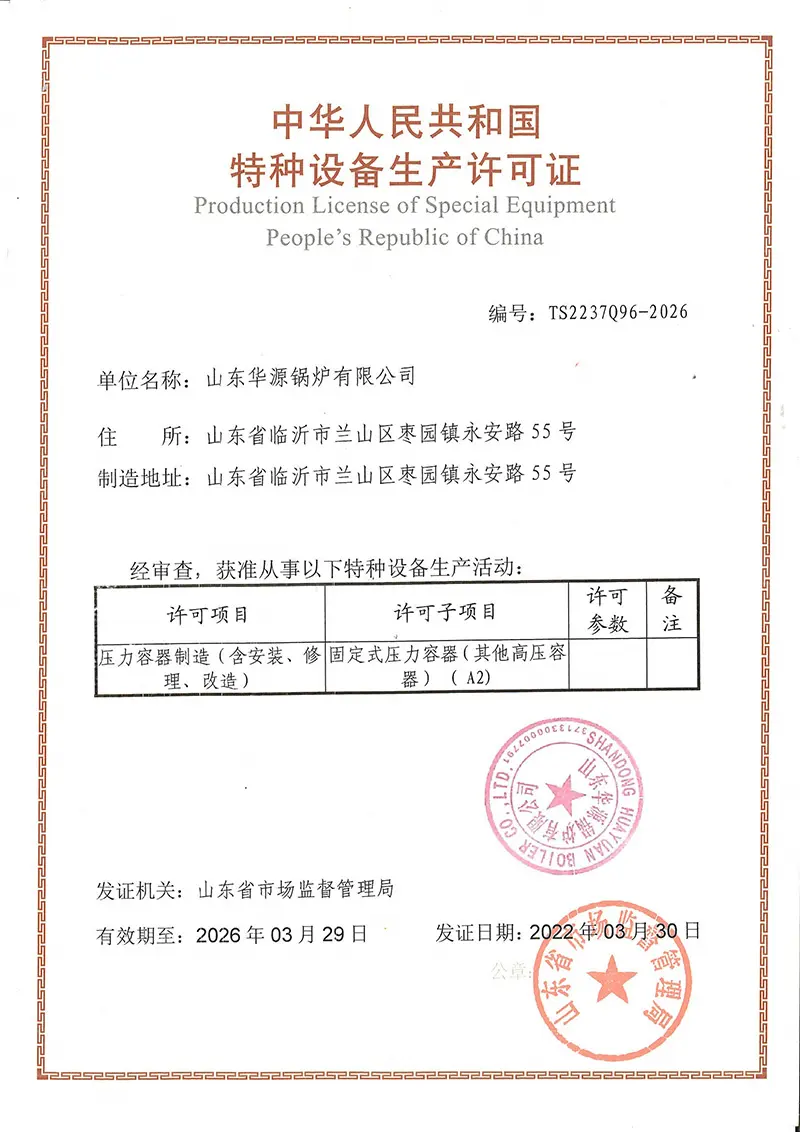
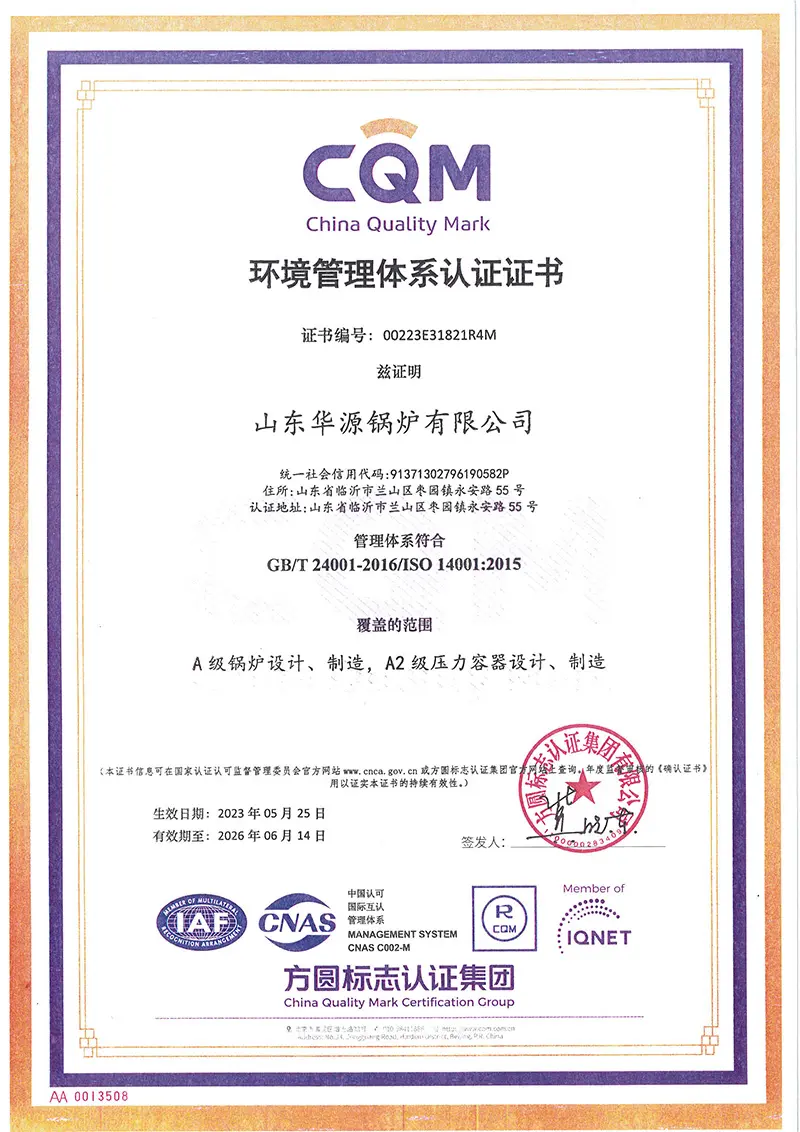
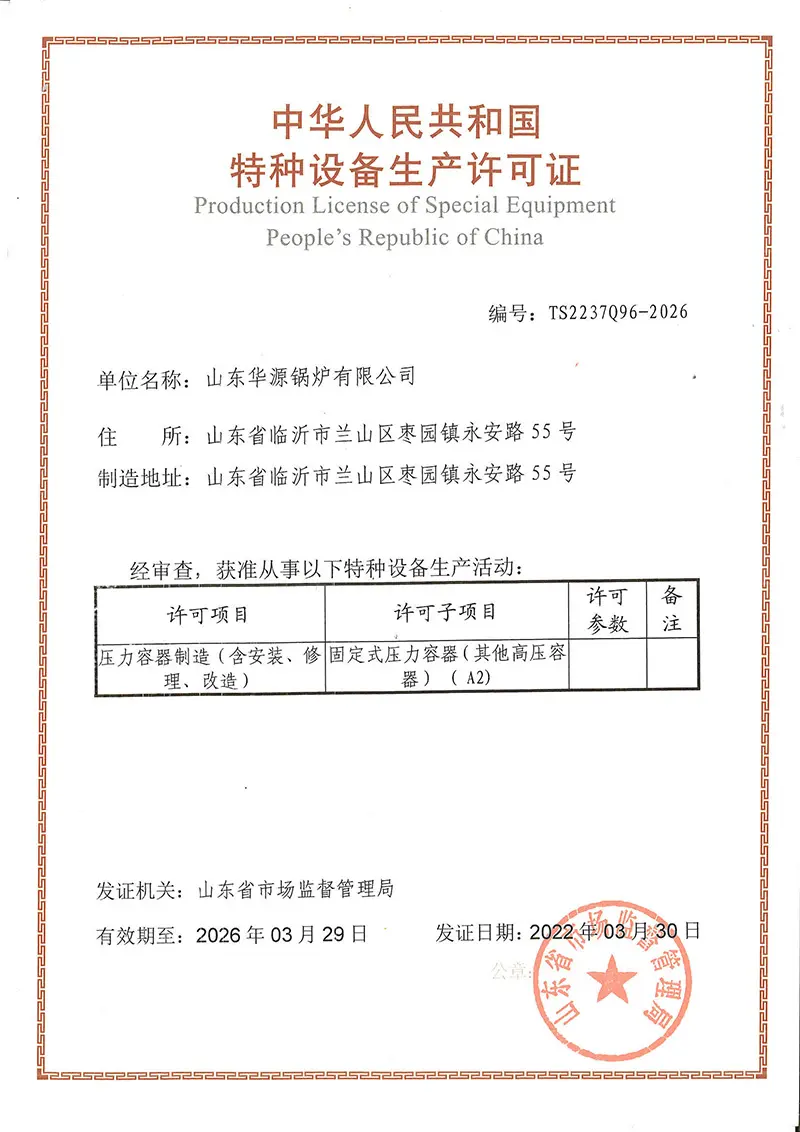
For international buyers, procuring heavy industrial machinery requires a high degree of trust. Huayuan Tech facilitates this through:
Our systems range from 10 tons to over 100 tons per day, depending on the feedstock and moisture content.
Yes, our multi-stage dust removal and gas purification systems ensure emissions stay well within international limits.
Used engine oil, hydraulic fluid, heavy crude residues, and pyrolysis oil from tires can all be refined into higher-quality fuels.
 Huayuan