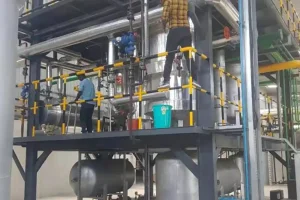
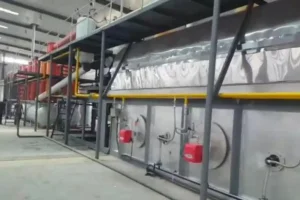
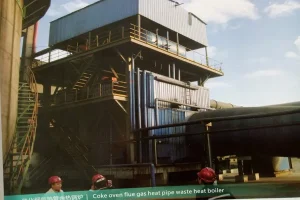
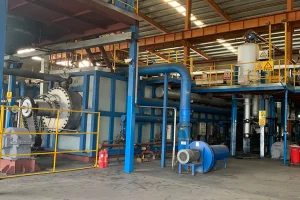
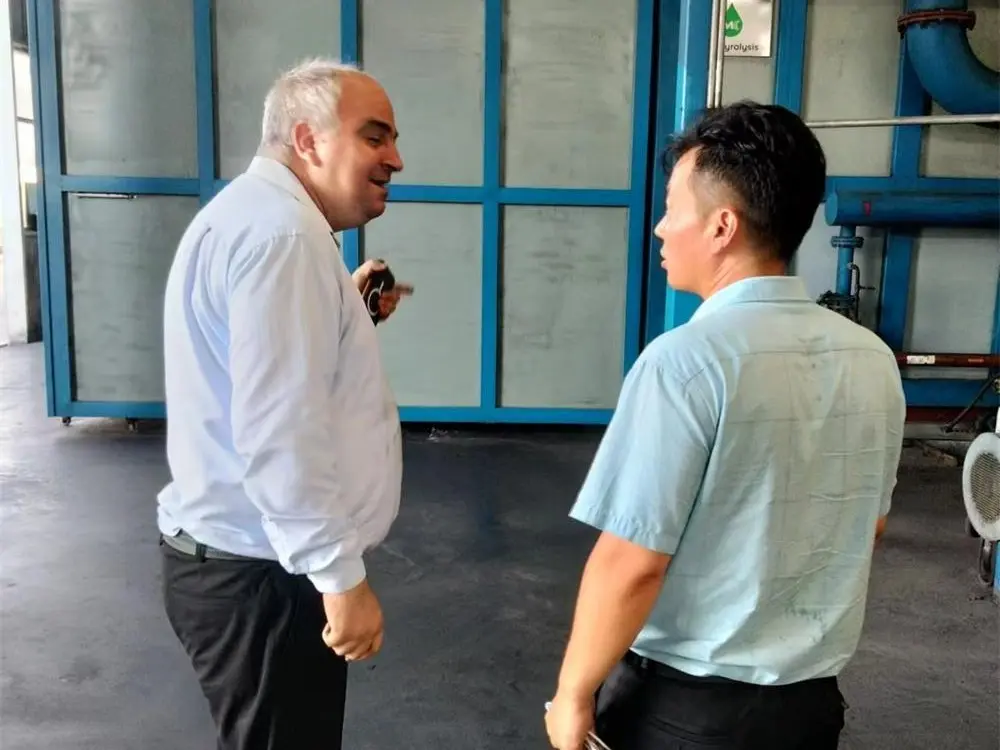
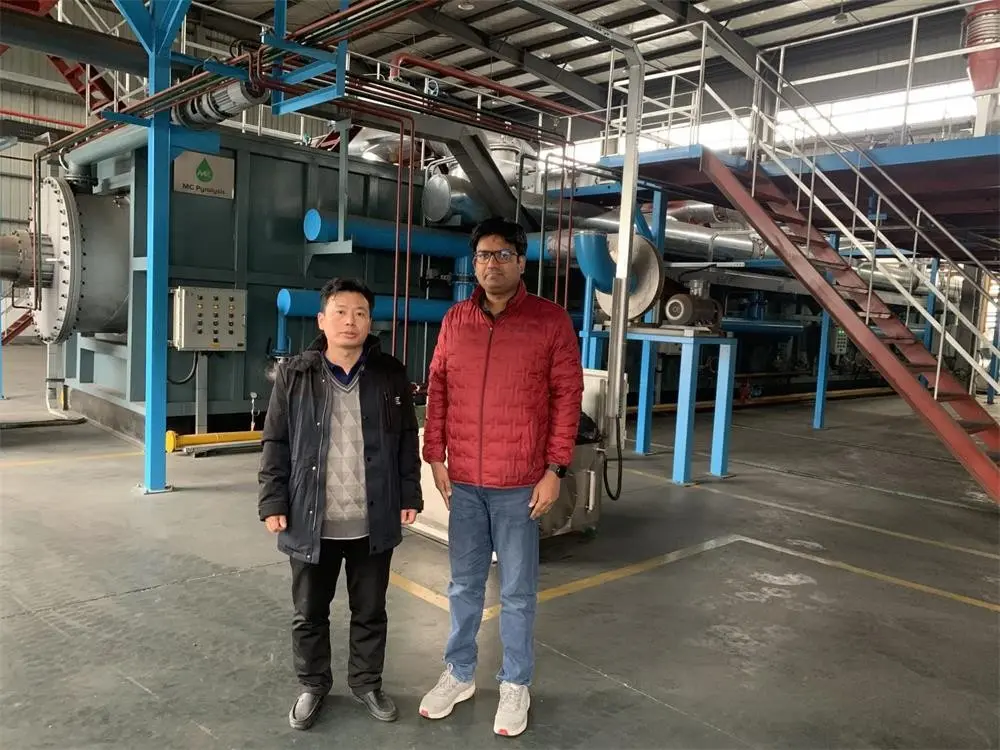
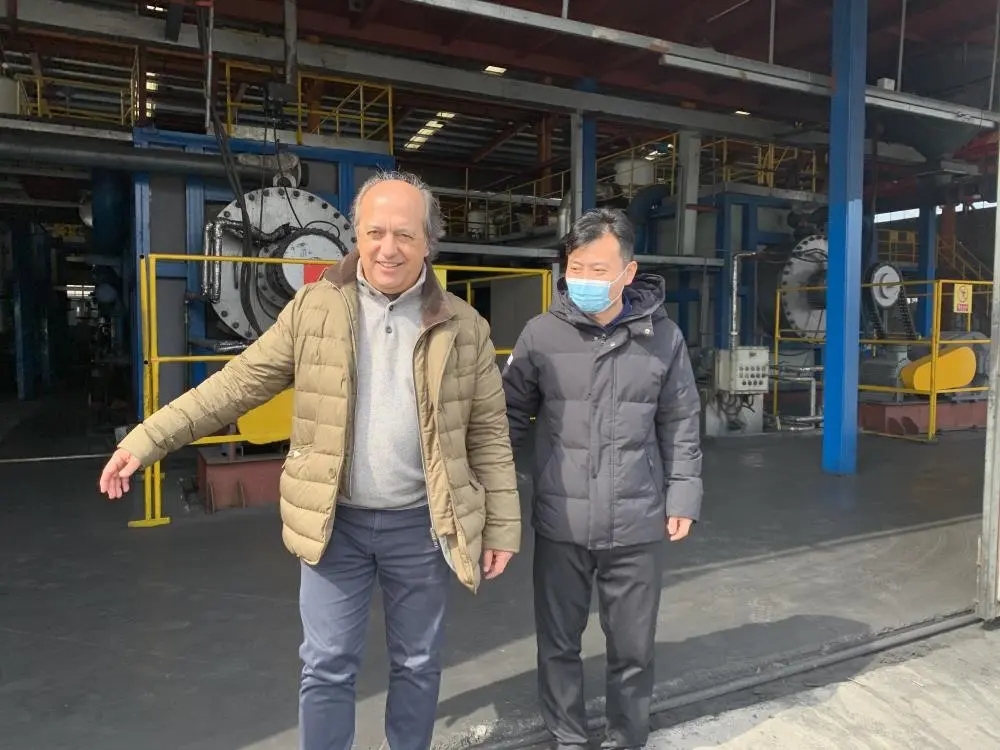
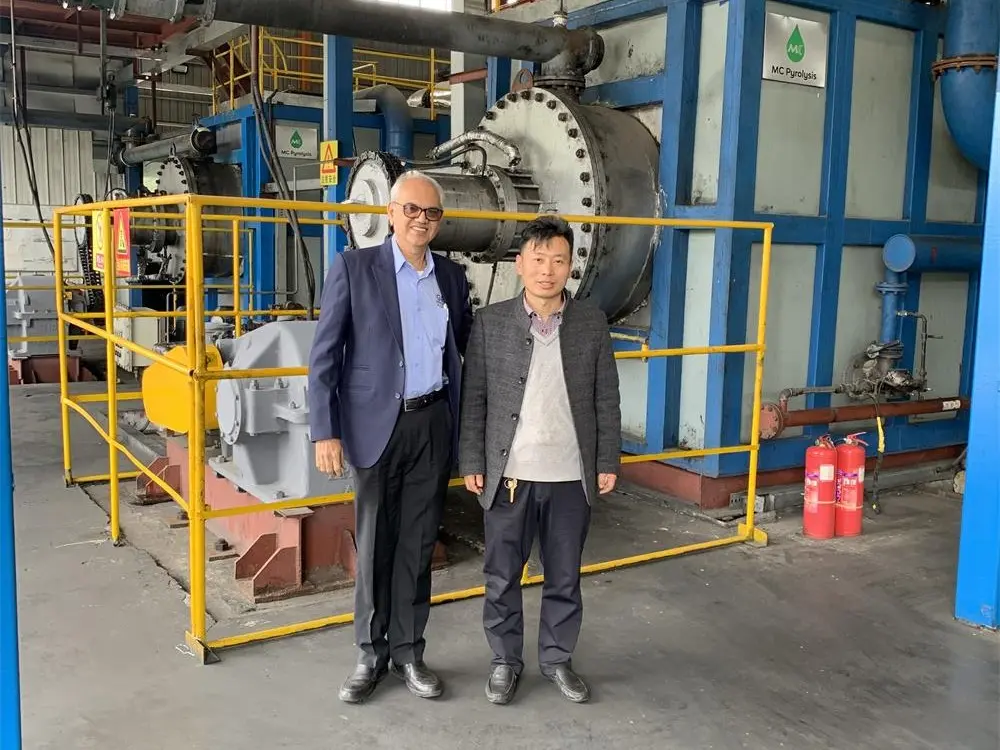
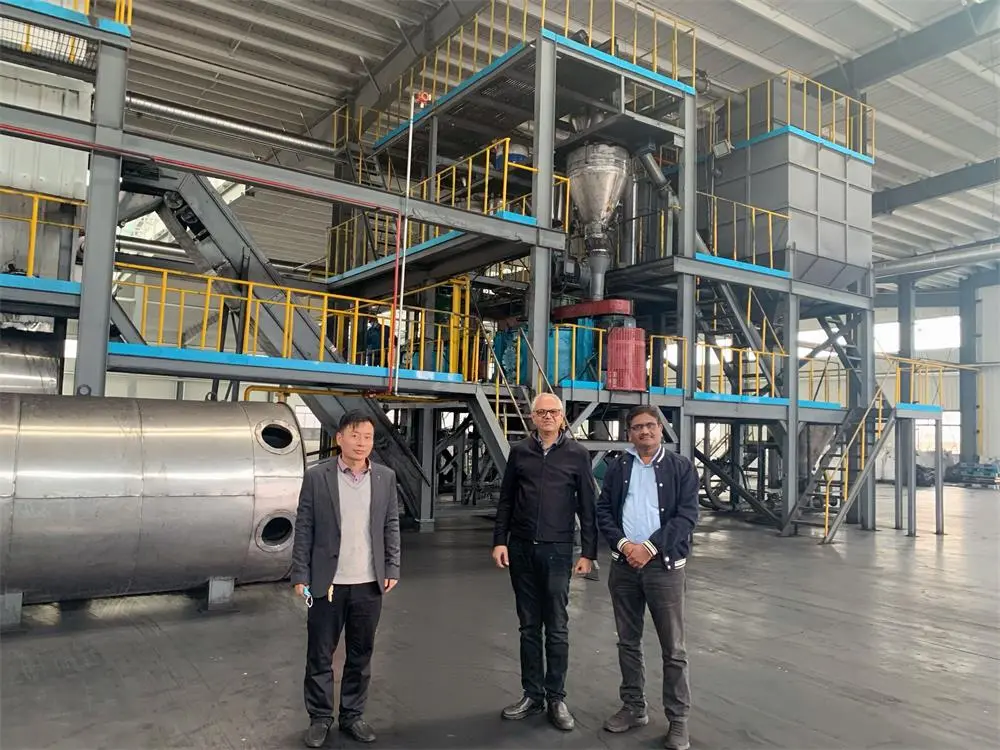
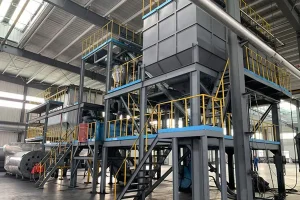
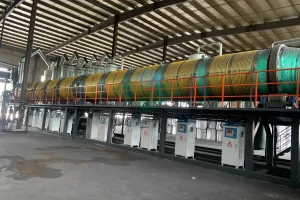
These product systems support procurement teams evaluating high-quality waste engine oil uses manufacturers and manufacturer partners across re-refining, pyrolysis, waste heat recovery, industrial solid waste, and waste-to-energy project routes.
Waste engine oil is generated by vehicle fleets, mining equipment, marine engines, power generation units, workshops, and industrial maintenance operations. It contains base oil hydrocarbons, additives, water, soot, metals, and oxidation by-products. The presence of contaminants means that “use” is not a single destination. It is a chain of decisions: collection control, laboratory characterization, pretreatment, process route selection, product finishing, emissions control, and documented disposal of residues.
For buyers searching for high-quality waste engine oil uses manufacturers, the real procurement question is not which output sounds most profitable. It is which manufacturer can prove a repeatable mass balance, meet local environmental requirements, protect worker safety, and support the plant through commissioning, operator training, spare parts, and changing feedstock conditions. That is the information gain a serious manufacturer must provide: engineering evidence, not vague claims.
Vacuum distillation, pretreatment, and hydrotreating or clay finishing can recover base oil fractions for lubricant blending. This route suits large, stable waste oil volumes with strong collection control and laboratory discipline.
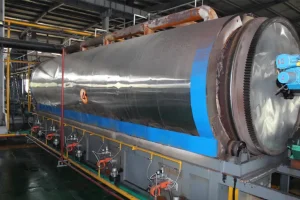
Pyrolysis converts contaminated hydrocarbons into fuel oil, syngas, and residue streams. It is often considered for mixed or lower-quality feedstock where conventional re-refining is not commercially robust.
Cement kilns, lime kilns, asphalt plants, and permitted industrial boilers can use recovered fuel oil after dewatering, filtration, blending, and quality control. The key is emission compliance and consistent fuel specification.
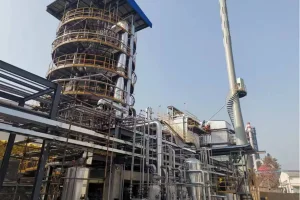
Integrated waste-to-energy and waste heat boiler systems can recover thermal energy from process off-gas and residual streams, improving plant economics while adding complexity in flue gas treatment and controls.
With proper pretreatment and strict quality assurance, recovered fractions may enter controlled fuel blending channels. Buyers must verify metals, sulfur, viscosity, flash point, water content, and local fuel regulations.
Future-oriented projects are evaluating hydroprocessing, membrane separation, and digital quality tracking to produce cleaner drop-in fuels. These routes require higher capital intensity and stronger technical due diligence.
Semantic search intent differs by buyer role. A recycler wants throughput and residue handling. An EPC developer wants engineering interfaces and permits. An industrial energy user wants fuel quality and uptime. A compliance team wants traceability and environmental evidence. A manufacturer page that answers only one intent will lose high-value organic traffic.
They need process design, equipment fabrication, installation supervision, commissioning, training, and performance verification. Manufacturer credibility depends on documented project scope and interface management.
They evaluate feedstock flexibility, contamination tolerance, output quality, maintenance intervals, and how quickly the plant adapts when collected oil quality changes seasonally.
They care about fuel specification, burner compatibility, storage safety, emissions, and total cost of ownership. A supplier without laboratory data creates unacceptable operational risk.
They require hazardous waste documentation, air and water permits, residue routes, emergency response plans, and transparent reporting that can survive audits and lender due diligence.
Demand is shaped by four forces: the maturity of used oil collection, the strictness of hazardous waste regulation, decarbonization targets, and the spread between virgin base oil prices and recovered fuel values. In mature markets, re-refining and high-efficiency treatment attract regulated generators seeking defensible downstream documentation. In emerging industrial markets, pyrolysis, waste-to-energy, and waste heat boiler solutions often expand because they solve both disposal pressure and energy demand.
A high-quality manufacturer must localize documentation, not just export hardware. This includes technical files, material certificates, inspection reports, utility assumptions, spare parts lists, operator manuals, and support for local permitting consultants. Global buyers increasingly prefer partners who can demonstrate experience across multiple jurisdictions while respecting local emission limits and safety codes.
Project-specific weighting; use this as a due diligence prompt rather than a fixed score.
Circular economy policy, waste hierarchy rules, and strict environmental permitting drive demand for high-quality re-refining and traceable recovered fuels. Buyers emphasize documentation, emissions performance, and product quality consistency.
Mature used oil collection and re-refining infrastructure reward manufacturers who can support automation, environmental reporting, and long-term maintenance. Industrial users also compare alternative fuel blending with conventional re-refining.
Rapid industrial growth and diverse feedstock quality create strong interest in pyrolysis, continuous processing, waste heat recovery, and modular expansion. Export buyers prioritize commissioning support and local engineering interfaces.
Industrial boilers, cement kilns, and waste-to-energy projects can absorb recovered fuel fractions where permits allow. Success depends on robust pretreatment, spare parts logistics, operator training, and heat-resistant equipment design.
Growing fleet maintenance and mining operations generate significant used oil streams. Procurement teams look for scalable plants, clear utility requirements, and manufacturers who can support Spanish or Portuguese technical documentation.
China-based manufacturers with ASME, ISO, and boiler and pressure vessel credentials can serve global projects, but credible suppliers provide third-party inspection, export packaging, and site-specific compliance mapping.
A commercial decision should start with feedstock data and end with an auditable product route. The most credible manufacturers help buyers compare re-refining, pyrolysis, industrial fuel recovery, and waste-to-energy integration using measured tests, not assumptions.
Best suited to controlled used oil with high base oil content. Key evidence includes vacuum distillation design, hydrotreating or finishing strategy, product specifications, residue management, and solvent or catalyst handling.
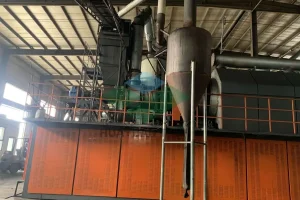
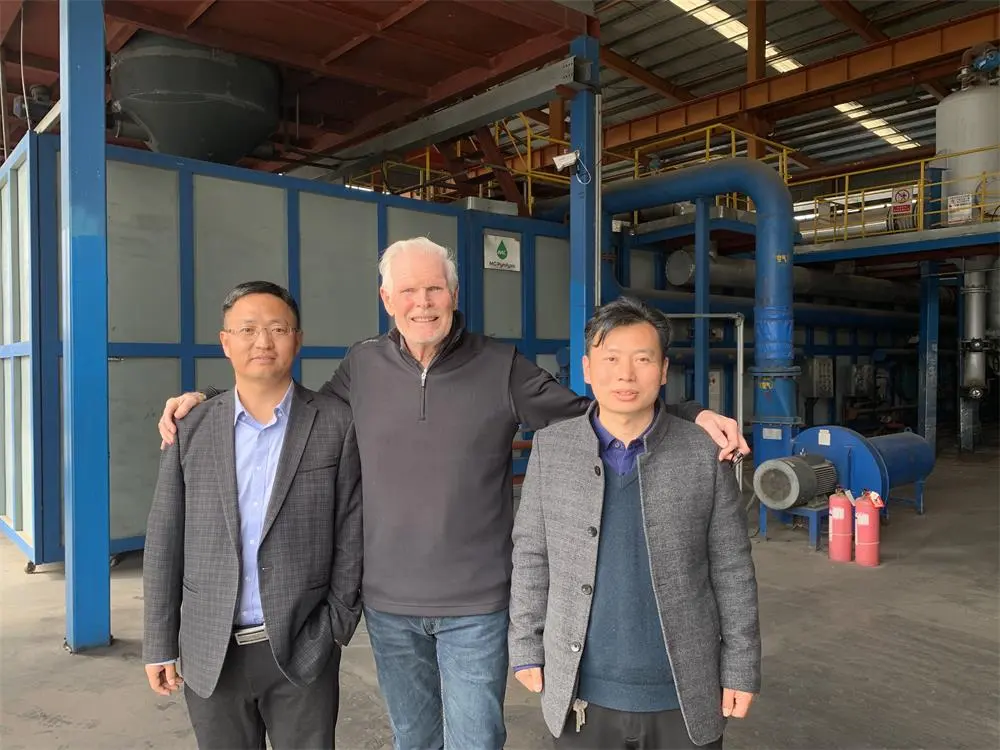
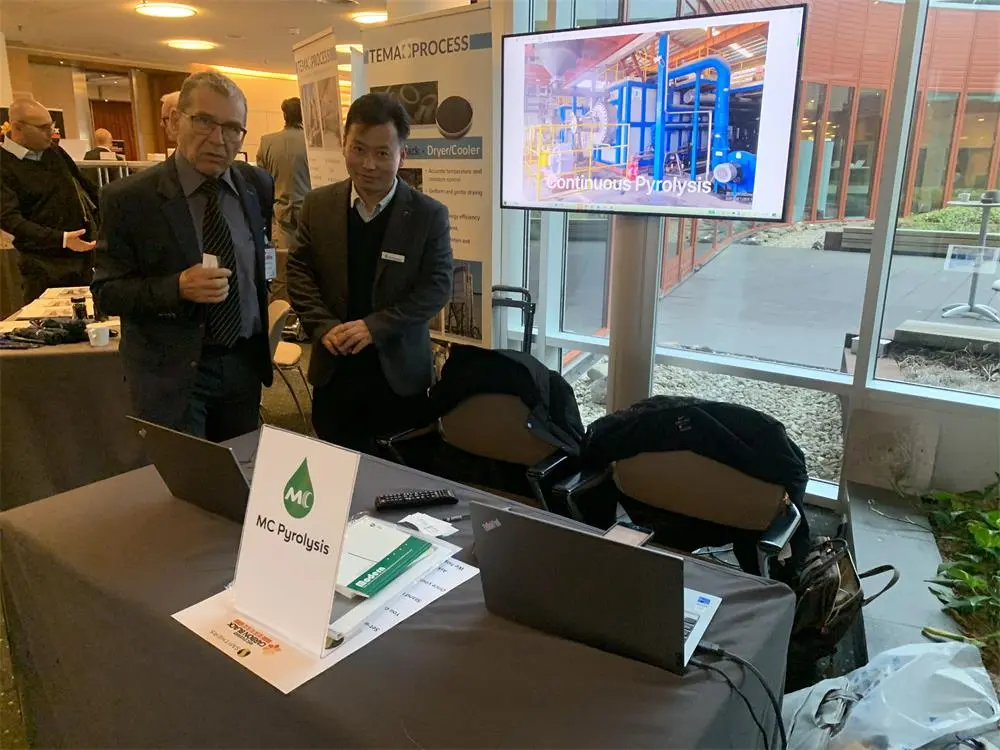
For mixed contaminated streams, continuous pyrolysis can improve throughput stability and reduce batch handling risk. Buyers should ask for feedstock limits, heat transfer design, condenser configuration, gas treatment, and residue discharge details.
Waste heat boilers can recover useful thermal energy from process off-gas, but they must be designed around corrosion, fouling, and turn-down conditions. A-class boiler manufacturing experience is a meaningful due diligence signal.
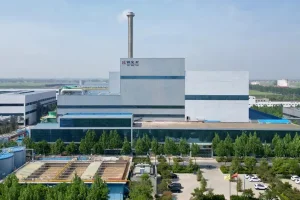
Integrated waste-to-energy plants require feedstock preparation, combustion or thermal conversion control, heat recovery, flue gas cleaning, and ash management. The procurement focus shifts to system integration and long-term availability.
For facilities processing mixed waste oil, plastics, or tires, recovered carbon black refining and by-product upgrading may improve site economics. These modules must be assessed for product market fit and environmental approvals.
High-quality manufacturers increasingly provide digital documentation, remote troubleshooting, planned maintenance schedules, and operator dashboards. These features reduce downtime and strengthen audit readiness.
Waste engine oil processing will become more data-driven, more carbon-accounted, and more tightly regulated. A plant designed only for today’s feedstock may become a stranded asset. Future-ready procurement asks manufacturers to disclose assumptions, modular expansion options, and digital traceability.
Collect representative samples across seasons and suppliers. Test water, ash, metals, sulfur, viscosity, flash point, calorific value, and contamination. This baseline prevents unrealistic yield promises.
Run bench or pilot trials to confirm mass balance, energy consumption, emissions assumptions, and product quality. Require documented test reports and a clear scale-up basis.
Translate pilot data into commercial guarantees for throughput, availability, utility demand, and product specifications. Include spare parts strategy, operator training, and commissioning acceptance criteria.
Prepare for digital twins, emissions monitoring, carbon accounting, and future CCUS or low-carbon hydrogen integration. A modern plant should have expandable data and control architecture.
Focus on waste to energy and waste tire pyrolysis technology, Huayuan Tech was founded in 1968. The company covers an area of 209,335 square meters, with a plant area of 98,680 square meters, more than 500 employees, and engineering and technical personnel accounting for 34% of the total number of employees. It has a complete A-class boilers and pressure vessels complete sets of manufacturing and testing equipment.
The company holds a pressure pipe installation permit and has passed ISO9001, ISO14001, OHSAS18001 three-system certification and the United States ASME certification.
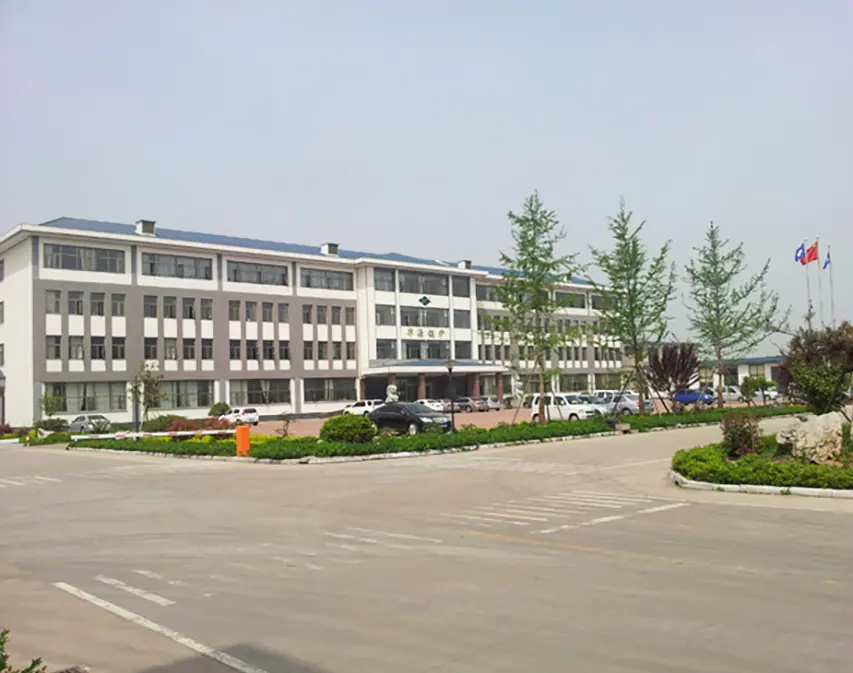
With the continuous development of the enterprise, it has now become engaged in boiler, pressure vessel, waste tire and plastic scrap pyrolysis machine development, manufacturing, sales, consulting services, thermal equipment system integration, contract energy management, investment and financing, supplemented by energy-efficient use professional services. It holds a national A-class boiler license, A2-class pressure vessel manufacturing license, and D1D2 pressure vessel design certificate.
Unswervingly pursuing technological innovation and building strong enterprise core competitiveness is the company’s long-term development strategy. Adhering to the business purposes of “innovation, quality, honesty,” with environmental protection and energy conservation as the prerequisite and technology as the means, the company combines professional skills with a unique R&D philosophy, production and research cooperation, and continuous introduction of innovative products and services to meet market demand.
For international buyers, this heritage matters because waste engine oil projects require more than one machine. They require boiler and pressure vessel know-how, thermal integration, safety engineering, and service discipline across the plant lifecycle.
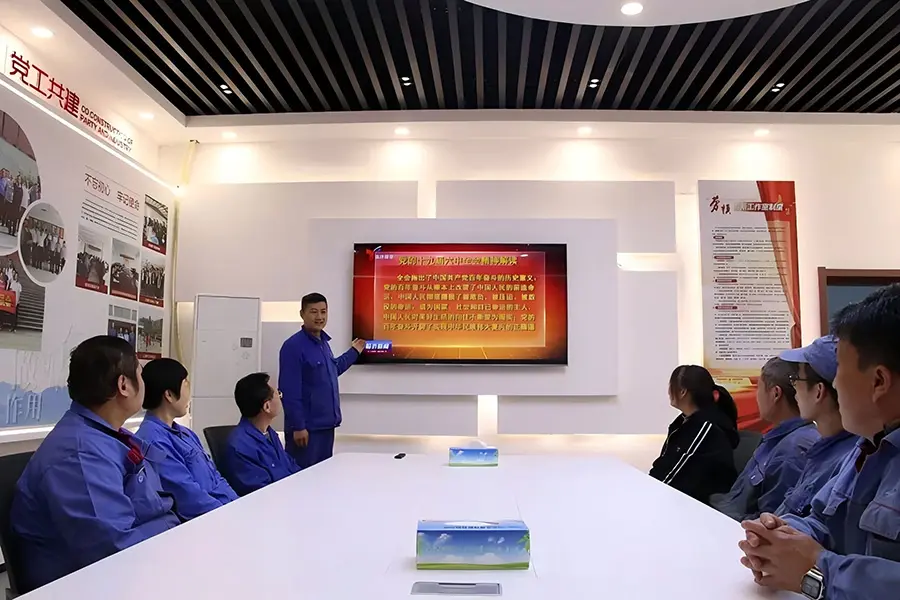
A documented innovation timeline is a strong trust signal for global procurement teams. It demonstrates continuity, learning, and the ability to move from conventional boiler manufacturing to continuous pyrolysis, waste-to-energy, and export-grade project delivery.
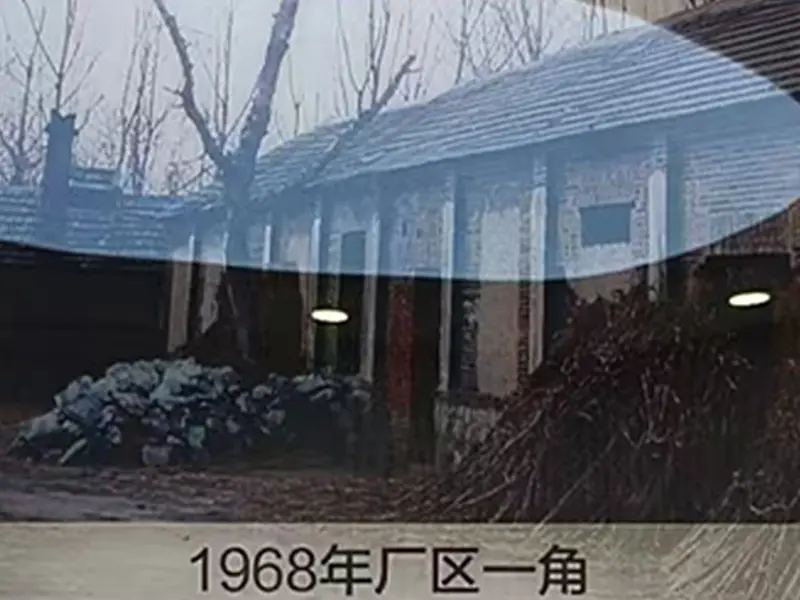
Initially, Huayuan Technology developed boiler technology in several factory workshops.

It was restructured as Linyi County Boiler Manufacturing and Repair Factory, under the jurisdiction of Linyi County Industrial Bureau.
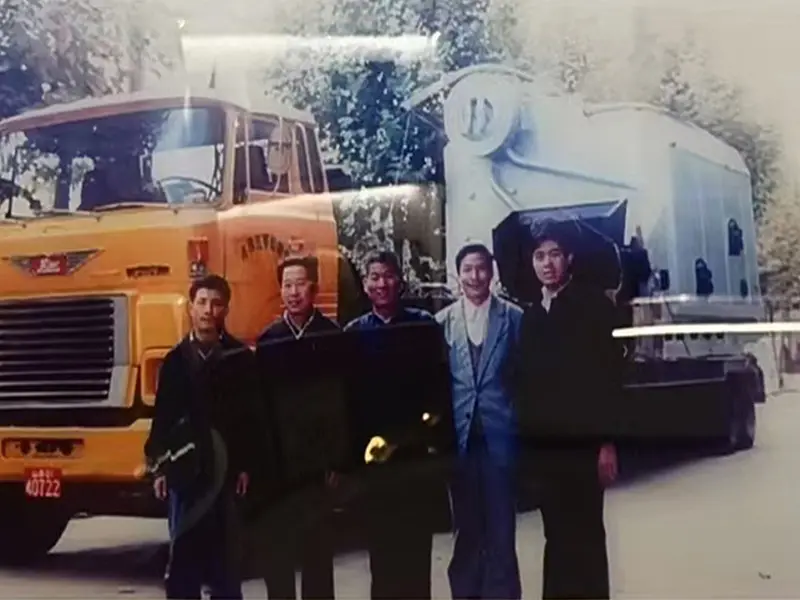
It was renamed Linyi Boiler Factory, merged with Linyi Auto Parts Factory, and relocated to 373 Tongda Road.
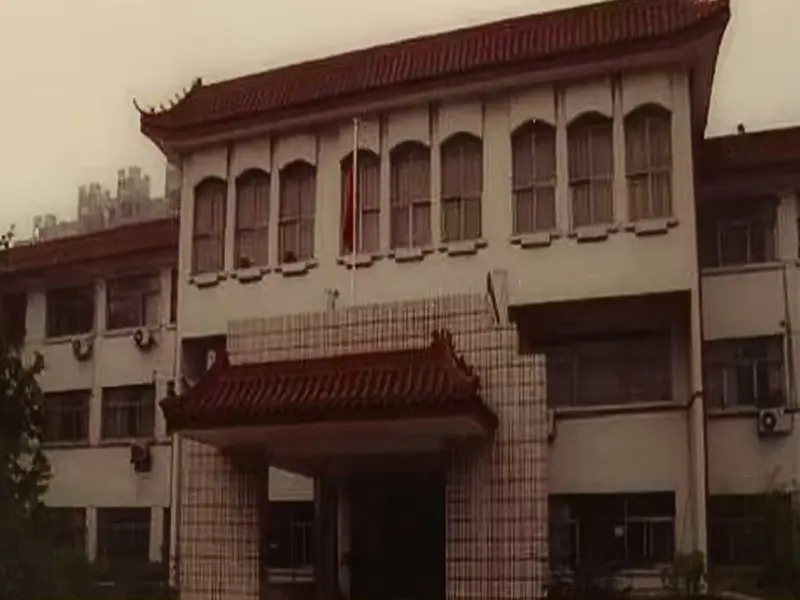
It was restructured into Linyi Boiler Co., Ltd.
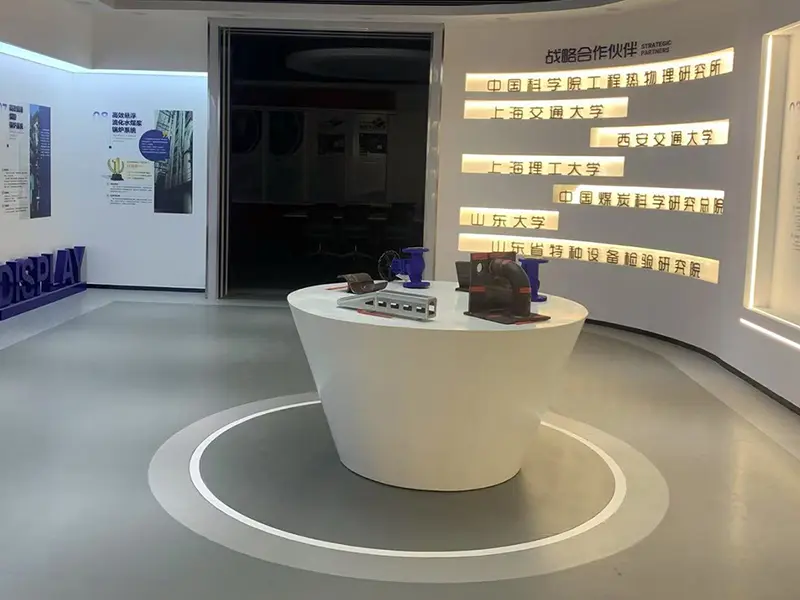
The successful restructuring provided wings for the company’s takeoff and took the first step towards becoming a modern enterprise.
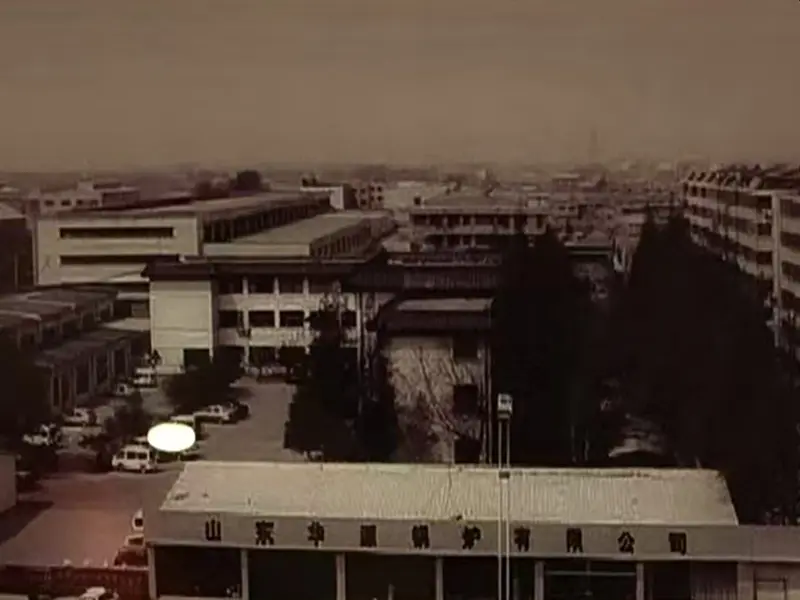
We obtained the national A-level boiler manufacturing license and ISO three-system certification. We also started to produce batch-model waste tire pyrolysis plant.
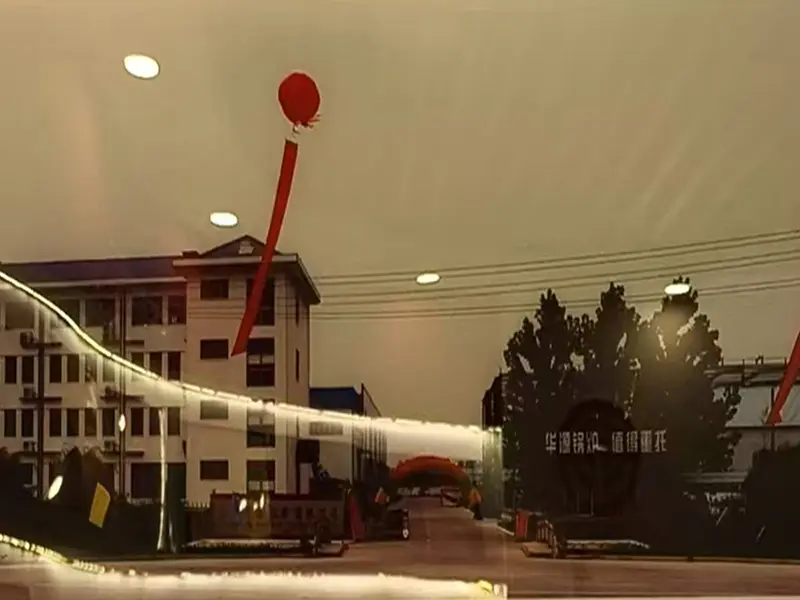
Huayuan moved to a new factory covering an area of 220 acres in Zaoyuan Town Industrial Park. Huayuan started to develop continuous model pyrolysis plant.

Screw running model continuous pyrolysis plant was successfully developed. The company obtained certificates such as high-tech enterprise and American ASME certification, and the Huayuan brand has gone global.
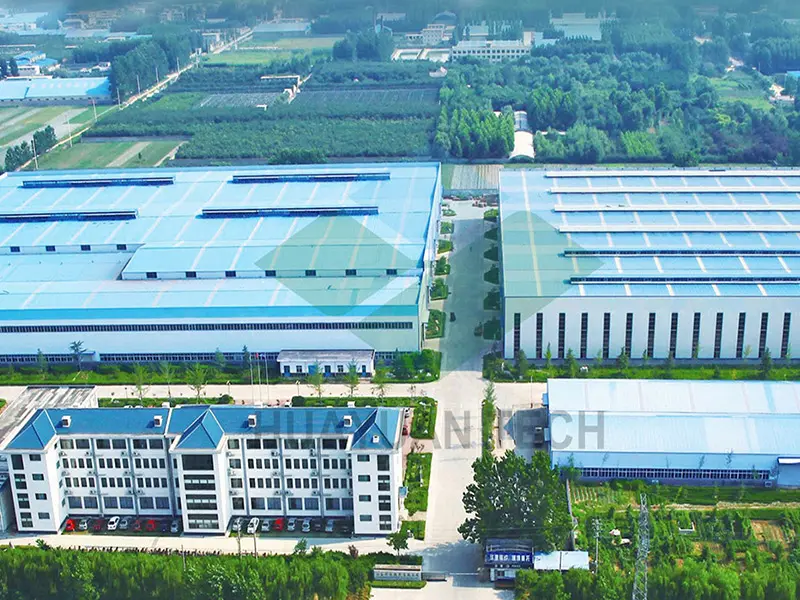
In September 2021, adhering to the corporate vision of “doing energy conservation and emission reduction, making the sky bluer, the earth greener, and the water cleaner.”
Certification is not a substitute for project due diligence, but it is an important filter. Buyers should request current certificates, scope statements, inspection reports, and third-party witness documentation relevant to the specific pressure vessel, boiler, or export project.
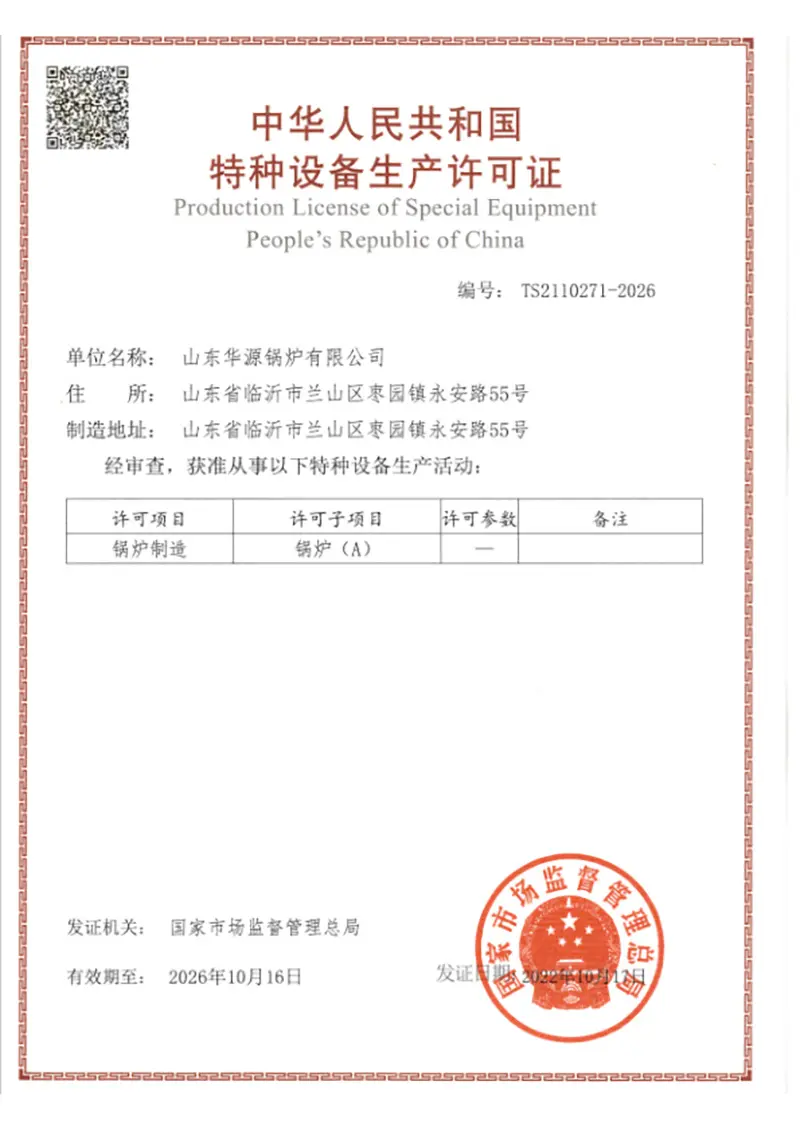
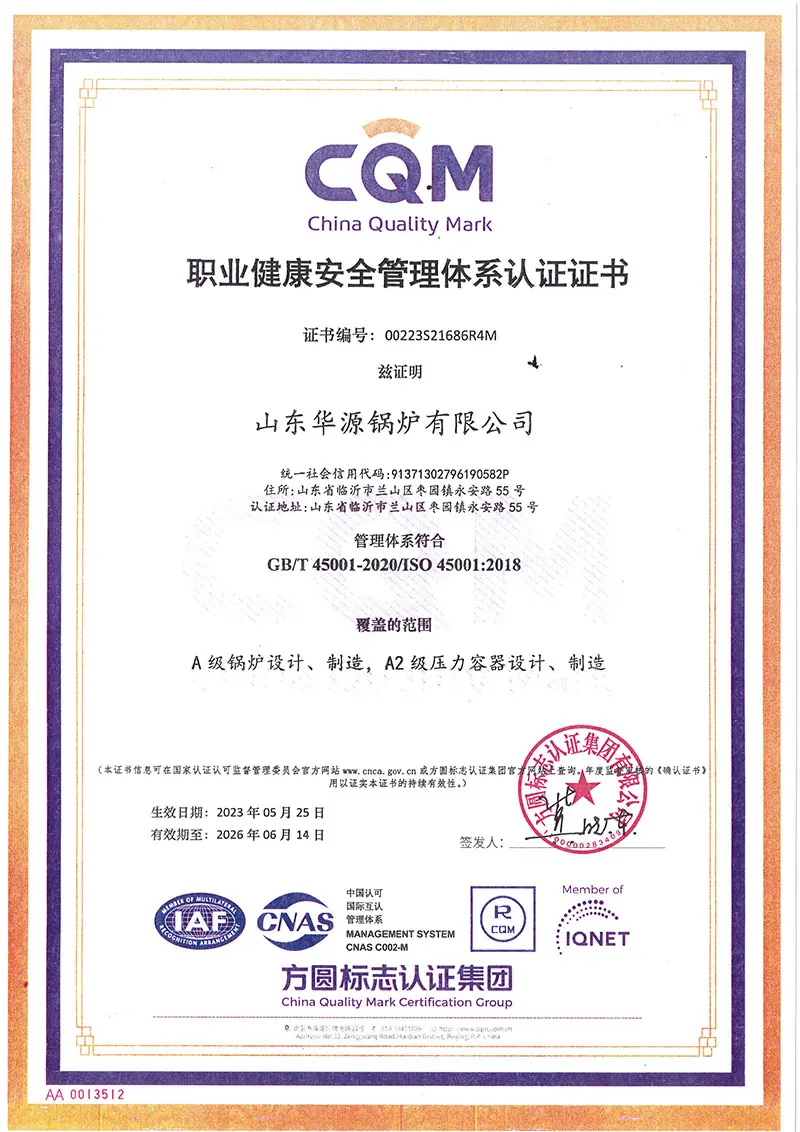
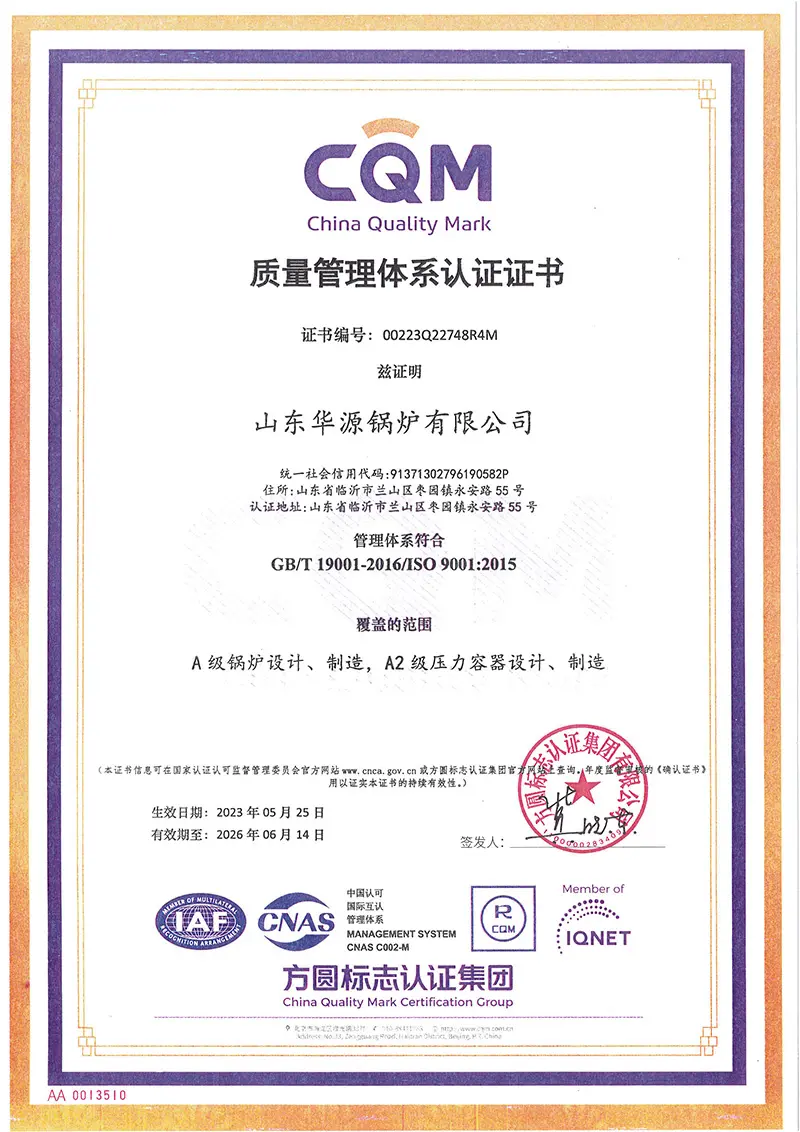
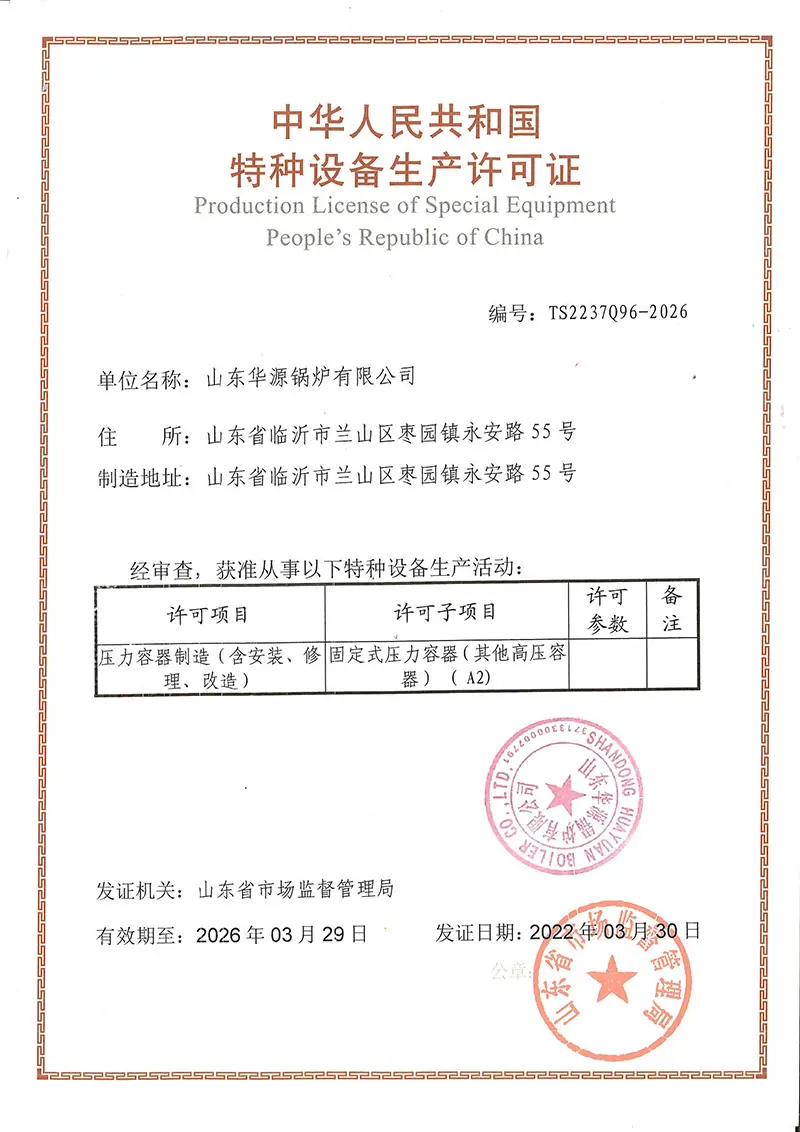
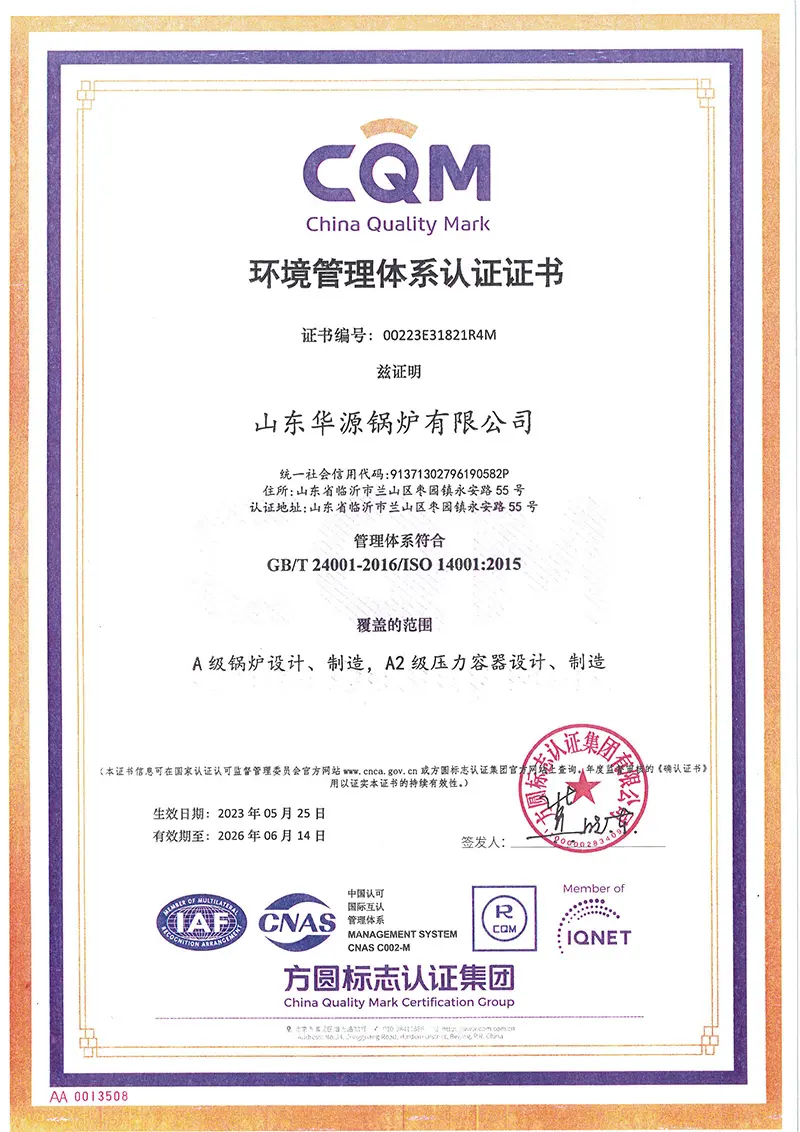
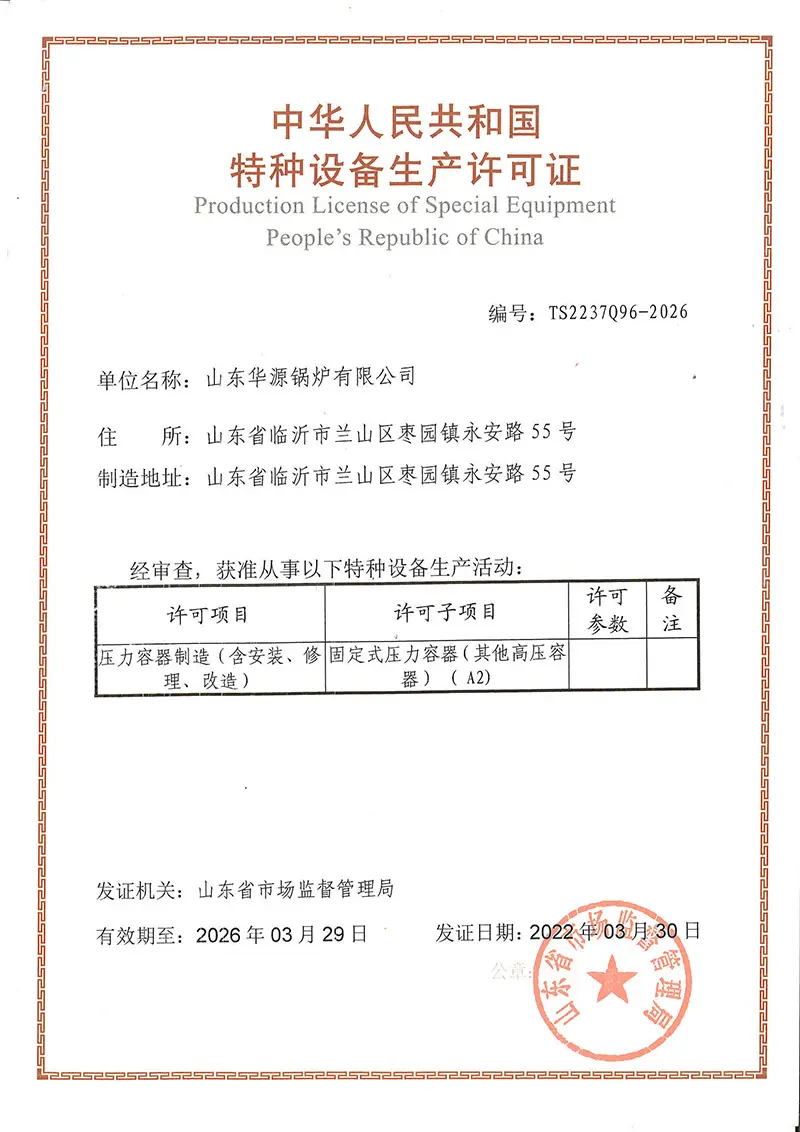
With the continuous development of enterprises, the company has become engaged in boiler, pressure vessel, waste tire and plastic scrap pyrolysis machine development, manufacturing, sales, consulting services, thermal equipment system integration, contract energy management, investment and financing, supplemented by energy-efficient use professional firms.
International waste engine oil projects fail when equipment performance is separated from local permitting, feedstock logistics, spare parts, and operator capability. High-quality manufacturers treat localization as an engineering deliverable.
Process flow diagrams, mass and energy balances, utility schedules, equipment lists, emission assumptions, and residue management plans should be prepared for local consultants and regulators.
Electrical standards, pressure codes, seismic requirements, ambient conditions, and fuel specifications differ by country. A credible manufacturer updates designs instead of exporting a one-size-fits-all package.
Sampling protocols, chain-of-custody records, laboratory test reports, and batch tracking help buyers prove that waste engine oil is processed within permitted specifications.
Critical spare lists, recommended stocking levels, local service partners, remote diagnostics, and response-time commitments protect uptime and reduce hidden lifecycle costs.
Operator training should cover startup, shutdown, emergency response, PPE, hot work, confined space entry, waste handling, and maintenance lockout procedures.
Some projects benefit from contract energy management, investment and financing support, or phased commercial models. These require transparent assumptions for feedstock, output, utilities, and maintenance.
E-E-A-T is not a badge. It is evidence that the manufacturer has experience with real feedstock, expertise in process and safety, authority supported by certificates and projects, and trust reinforced by transparent documentation and service behavior.
Ask for comparable projects, years in thermal equipment manufacturing, commissioning records, and references from plants processing similar waste oil streams.
Review process engineering depth: feedstock testing, mass balance, emissions control, pressure vessel design, heat integration, and operator training.
Verify ISO9001, ISO14001, OHSAS18001, ASME, boiler and pressure vessel licenses, pressure pipe installation permits, and scope-specific approvals.
Demand open inspection plans, third-party test reports, realistic output guarantees, spare parts commitments, and transparent exclusions in the commercial proposal.
These answers target the long-tail questions global procurement teams ask when comparing waste engine oil uses, manufacturer capability, compliance risk, and future plant design.
Common uses include re-refining to base oil, pyrolysis to fuel oil, controlled industrial boiler or kiln fuel, waste-to-energy integration, and marine or heavy-duty fuel blending after pretreatment. The right route depends on feedstock quality, permits, product demand, and local infrastructure.
Look for documented feedstock testing, clear mass balance assumptions, verifiable certificates, reference projects, compliance support, spare parts planning, and operator training. A credible manufacturer explains limitations as clearly as advantages.
No. Pyrolysis can be flexible, but water, metals, chlorine, sulfur, and other contaminants affect design and output. Pilot testing is essential before commercial guarantees are accepted.
Typical tests include water content, ash, viscosity, flash point, sulfur, metals, calorific value, sediment, and contamination screening. Multiple samples across suppliers and seasons give a more reliable design basis.
Controls may include enclosed processing, vapor management, flue gas treatment, wastewater segregation, residue characterization, spill prevention, and emissions monitoring. Requirements vary by jurisdiction and process route.
A project often moves through feasibility, laboratory testing, permitting, engineering, fabrication, shipment, installation, commissioning, and performance verification. Complex waste engine oil plants should not be evaluated only on equipment lead time.
Downtime, slow spare parts delivery, and poor operator training can erase projected margins. Local service agreements, remote diagnostics, and documented maintenance plans are financial controls, not optional extras.
Some continuous pyrolysis, rotary kiln, and waste-to-energy systems can accept multiple feedstocks, but flexibility must be engineered. Buyers should request feedstock envelopes, contamination limits, and changeover procedures.
Advanced hydroprocessing, membrane separation, digital twins, emissions monitoring, carbon accounting, and low-carbon integration are likely to shape future competitiveness. Plants should be designed with data and expansion pathways in mind.
Compare additional manufacturer and factory options for waste heat boilers, pyrolysis plants, waste-to-energy systems, recovered carbon black refining, and electrical heating continuous pyrolysis.
Select a manufacturer that can explain the process route, prove quality controls, support local compliance, and stand behind commissioning and service. The strongest procurement decision is based on measured feedstock data, auditable certifications, and a realistic total cost of ownership.
 Huayuan