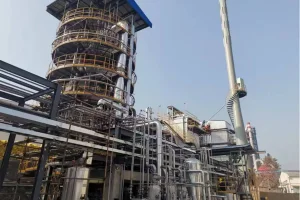
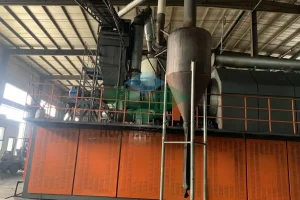
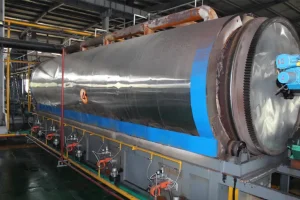
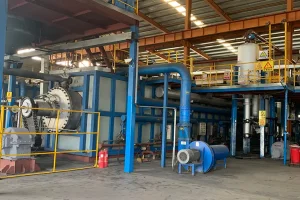
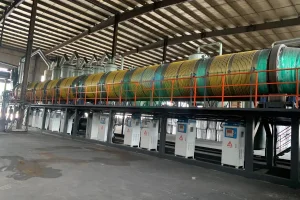
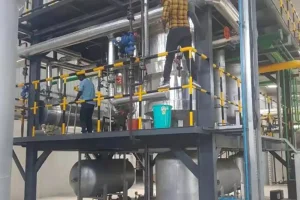
Discover our high-efficiency refining systems engineered to convert waste oil, tires, plastics, and solid fuels into premium industrial diesel and heat energy.
The global waste motor oil and lubricant recycling market is undergoing a seismic structural shift. Traditionally considered a hazardous environmental liability, waste motor oil is now recognized as a high-density liquid fuel feedstock. Driven by the stringent standards of the Basel Convention, global circular economy mandates, and rising carbon offsets, converting waste engine and motor oils into industrial diesel has become a highly lucrative endeavor.
Rising crude oil price volatility and supply chain disruptions have driven global procurement managers to prioritize decentralized fuel security solutions. Converting waste motor oil into diesel via vacuum fractional distillation enables heavy transportation fleets, marine operators, mining companies, and thermal power facilities to source cheap fuel locally. Modern refining plants deliver optimized thermal efficiency, stripping out heavy metals, carbon residue, and high-sulfur compounds to produce diesel fuels matching standard ASTM requirements.
Converting heavy waste motor oil to light diesel fractions requires strict thermal control and high-performance catalysts. The process involves pre-treatment (dehydration and filtration of mechanical impurities), followed by high-vacuum cracking at temperatures ranging between 150°C and 380°C.
Waste motor oil contains 5% to 15% water content. Preliminary low-heat flash evaporation processes safely boil off water and volatile light gases without cracking the heavy oil molecules.
Under negative pressure (-0.09 MPa to -0.1 MPa), the boiling point of the hydrocarbons drops significantly. This prevents thermal polymerization and carbonization, ensuring maximum oil yield.
Using proprietary gas-phase or liquid-phase catalysts, heavy carbon chains are broken down into C9-C20 hydrocarbons. These light fractions correspond to commercial diesel.
The final diesel fraction goes through chemical refining, desulfurization, and adsorption filters to remove odor, improve fuel stability, and achieve a clear, light golden coloration.
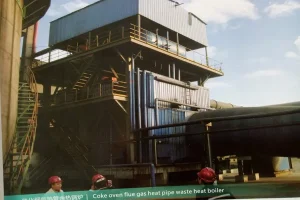
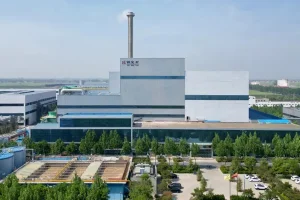
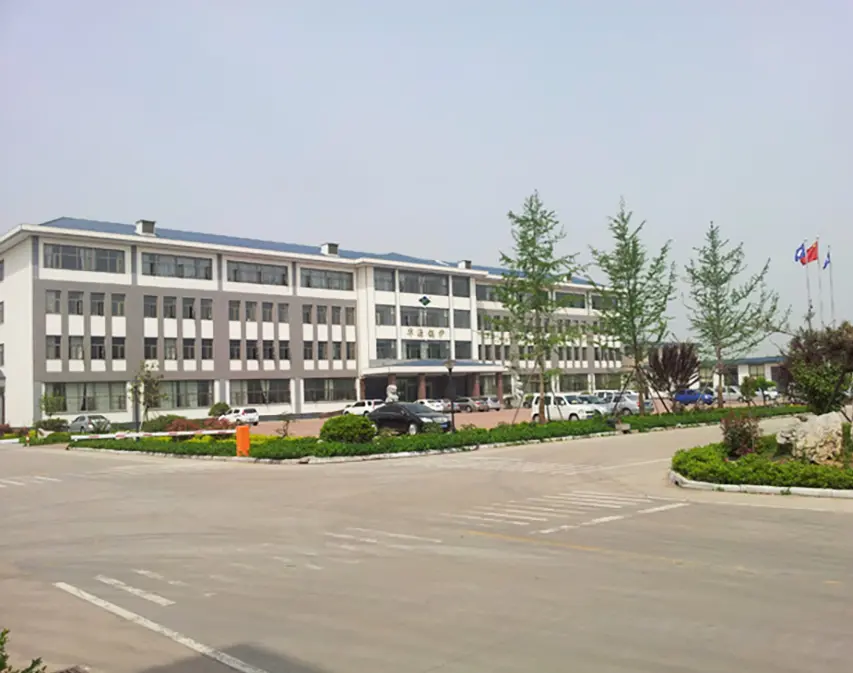
Founded in 1968, Huayuan Tech is a national leader in waste-to-energy conversion systems, waste tire/plastic pyrolysis plants, and Class A industrial boilers. Our production facilities cover a massive footprint of 209,335 square meters, featuring a specialized plant building area of 98,680 square meters.
Backed by over 500 dedicated employees, with engineering and technical specialists accounting for 34% of our workforce, we operate with advanced fabrication facilities, testing centers, and automated manufacturing pipelines. Huayuan Tech holds a national A-class boiler manufacturing license, an A2-class pressure vessel manufacturing license, and a D1D2 pressure vessel design certificate. Furthermore, we are certified to ISO 9001, ISO 14001, OHSAS 18001, and hold the prestigious United States ASME certification.
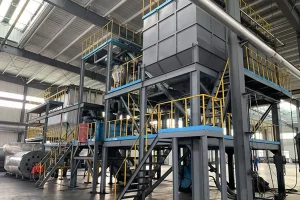
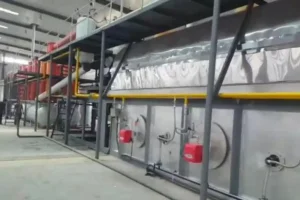
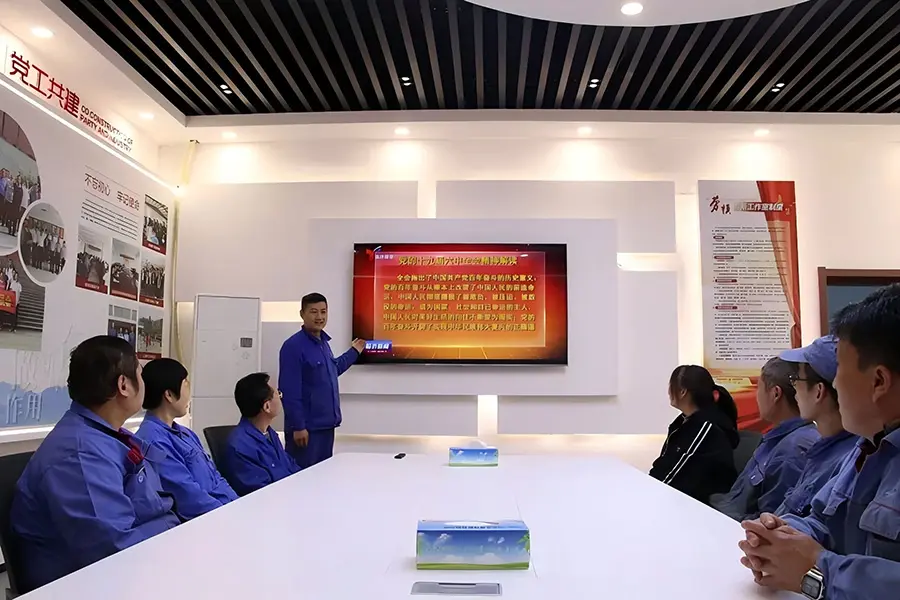
Watch our production facilities and modern machining tools in action. Witness how we forge high-pressure reactor components, test structural integrity, and assemble continuous waste-oil distillation units to ASME standards.
From a localized boiler shop to an international exporter of continuous screw pyrolysis and oil distillation plants, follow our technological milestones.
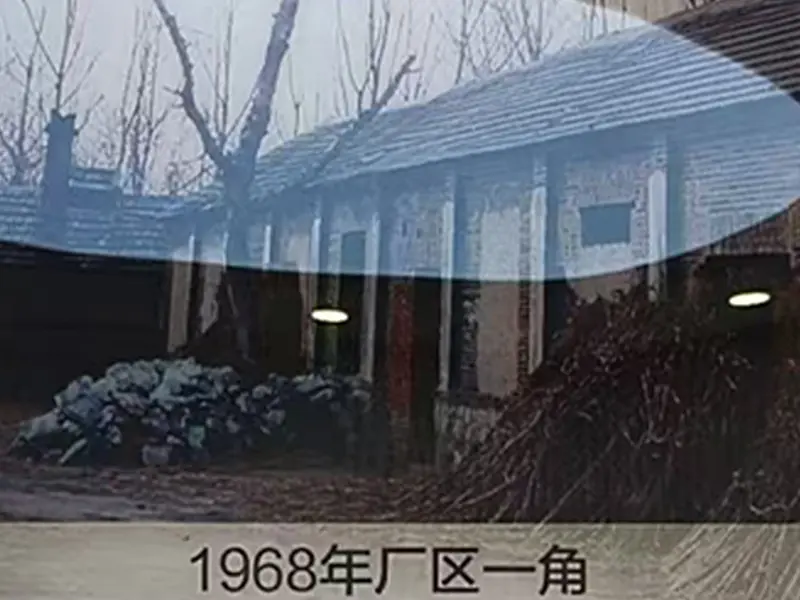
Initially, Huayuan Technology developed boiler technology in several factory workshops, building early pressure systems.
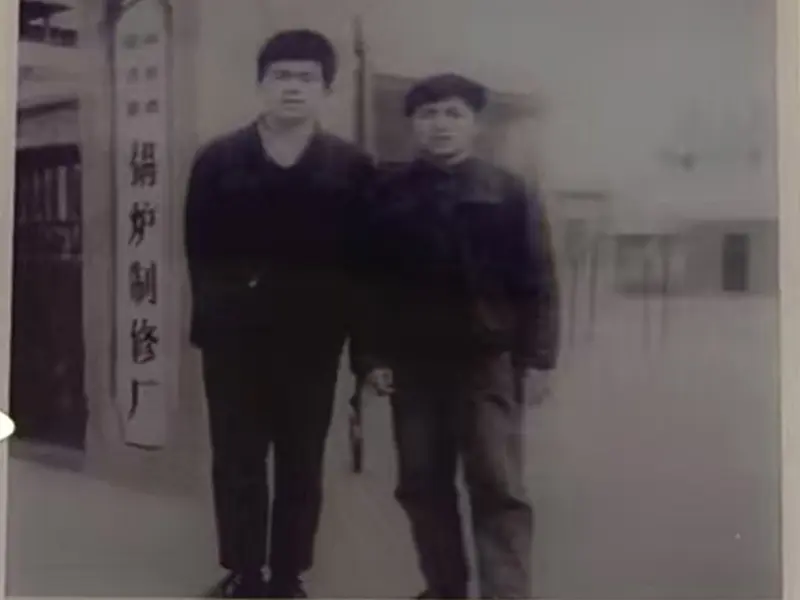
Restructured as Linyi County Boiler Manufacturing and Repair Factory, under the jurisdiction of Linyi County Industrial Bureau.
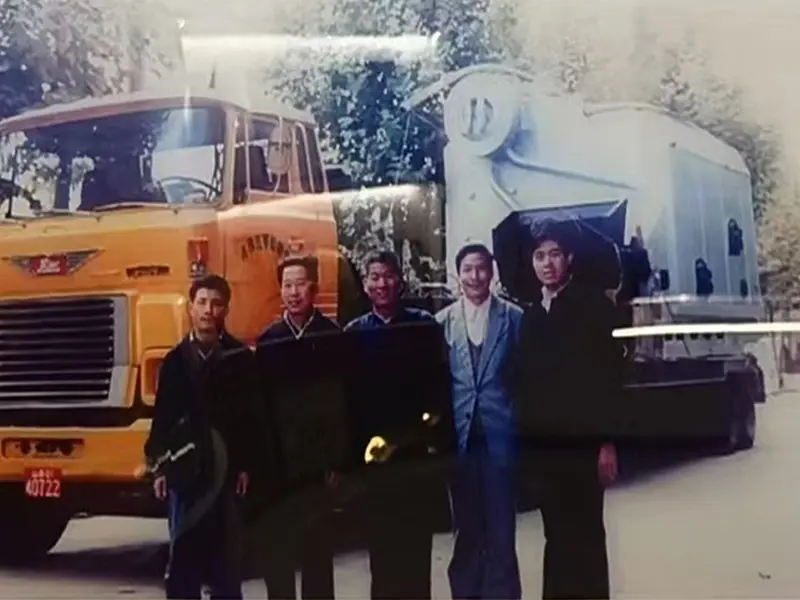
Renamed Linyi Boiler Factory, merged with Linyi Auto Parts Factory, and relocated to 373 Tongda Road.
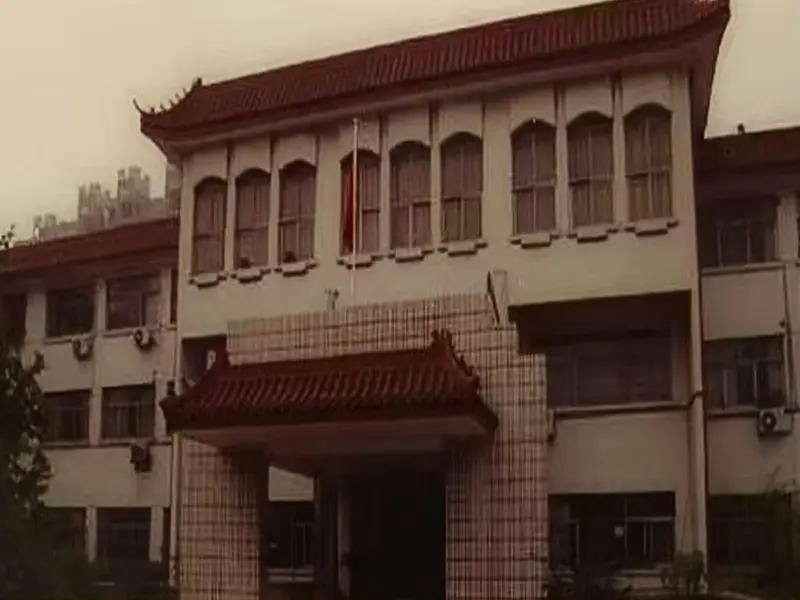
Successfully restructured into Linyi Boiler Co., Ltd., preparing the business infrastructure for international scaling.
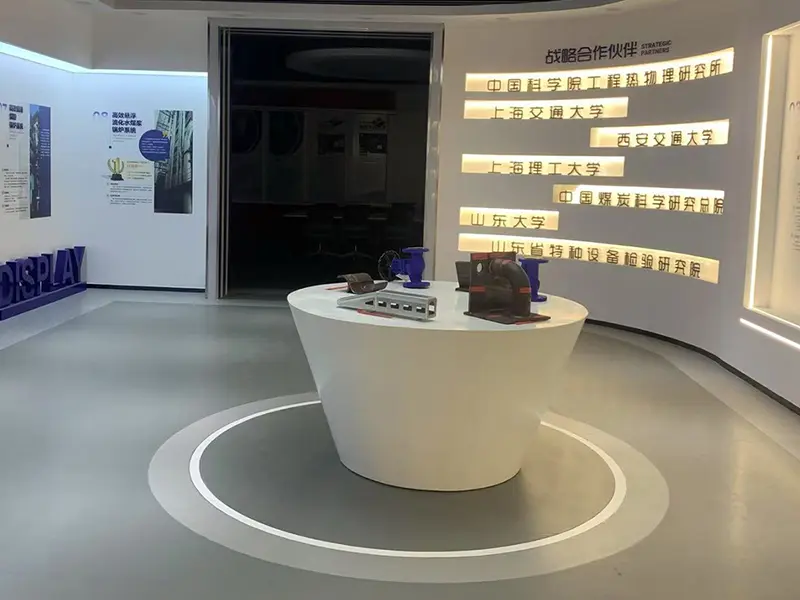
Obtained the national A-level boiler manufacturing license and ISO triple system certification. Commenced production of batch model waste tire pyrolysis plants.
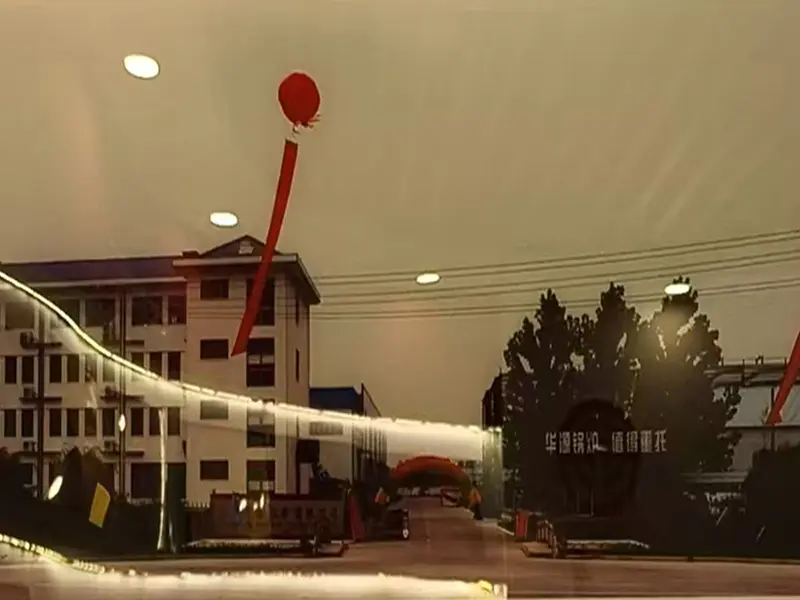
Moved to a brand new 220-acre manufacturing base in Zaoyuan Town Industrial Park. Launched R&D on continuous model pyrolysis equipment.
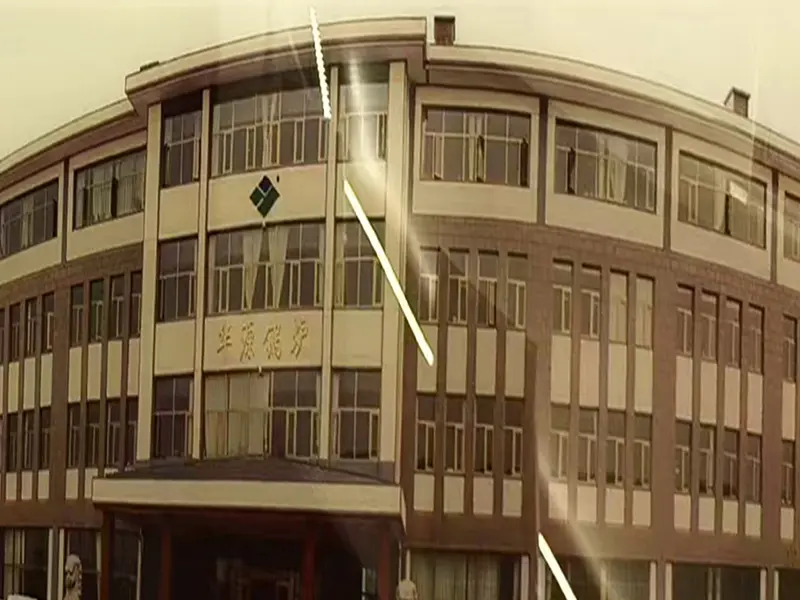
Successfully developed the screw running model continuous pyrolysis plant. Obtained high-tech enterprise status and United States ASME certification.
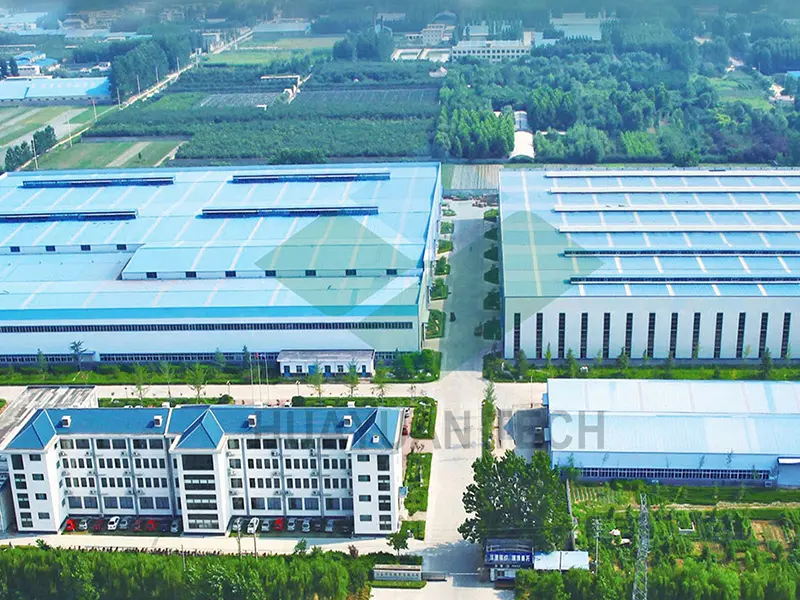
Solidified our corporate vision of "energy conservation and emission reduction, making the sky bluer, the earth greener, and the water cleaner".
Huayuan Tech operates under strict industrial guidelines. We maintain structural certifications and manufacturing licenses that guarantee safety, durability, and reliable machine lifespans under high-pressure thermal processing environments.
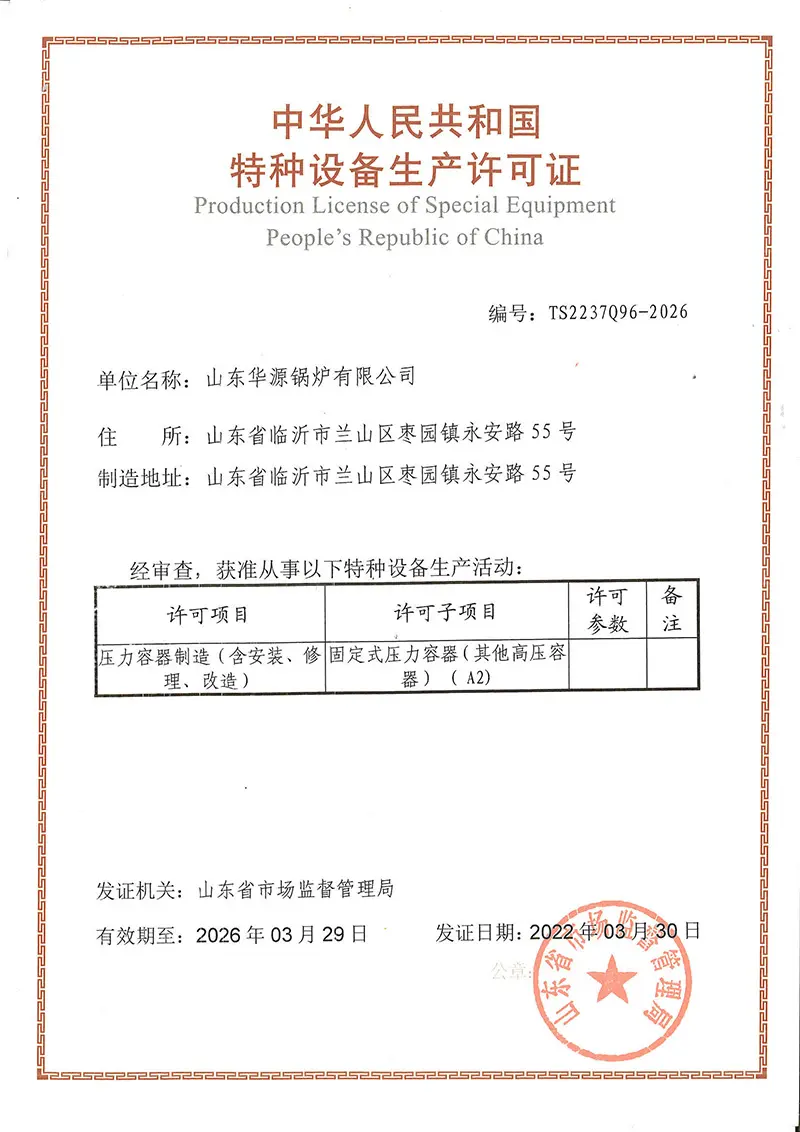
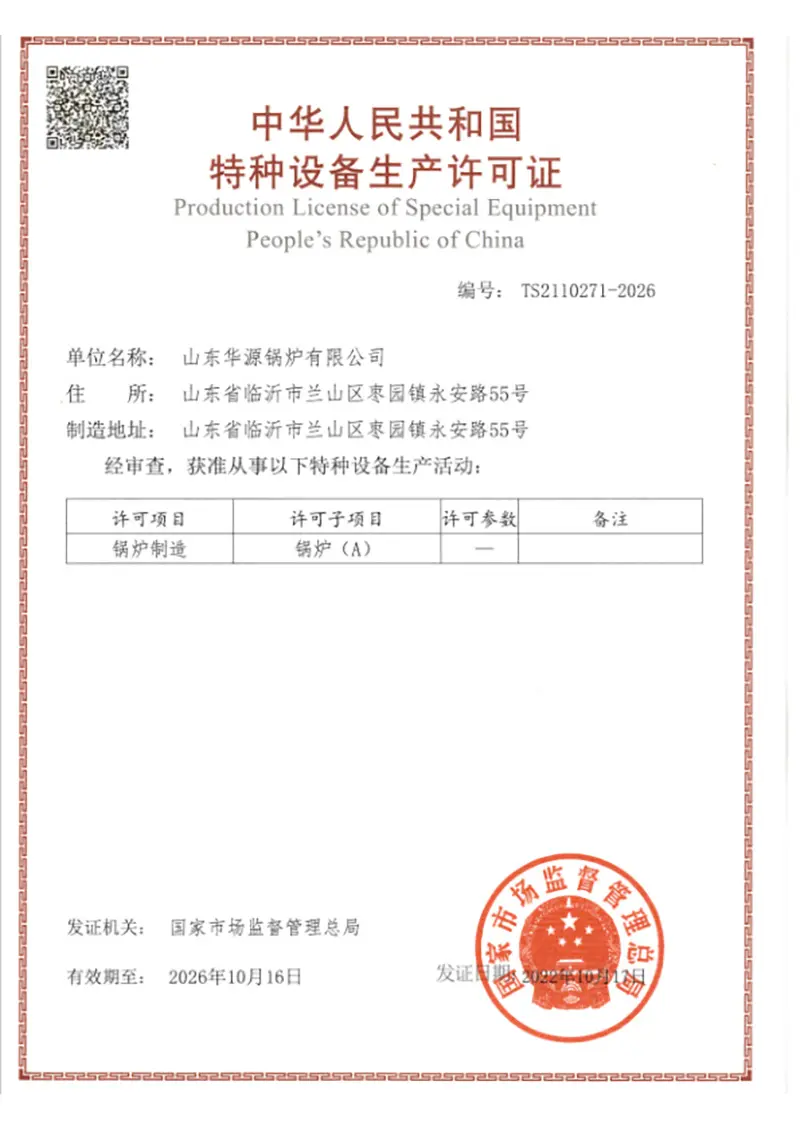
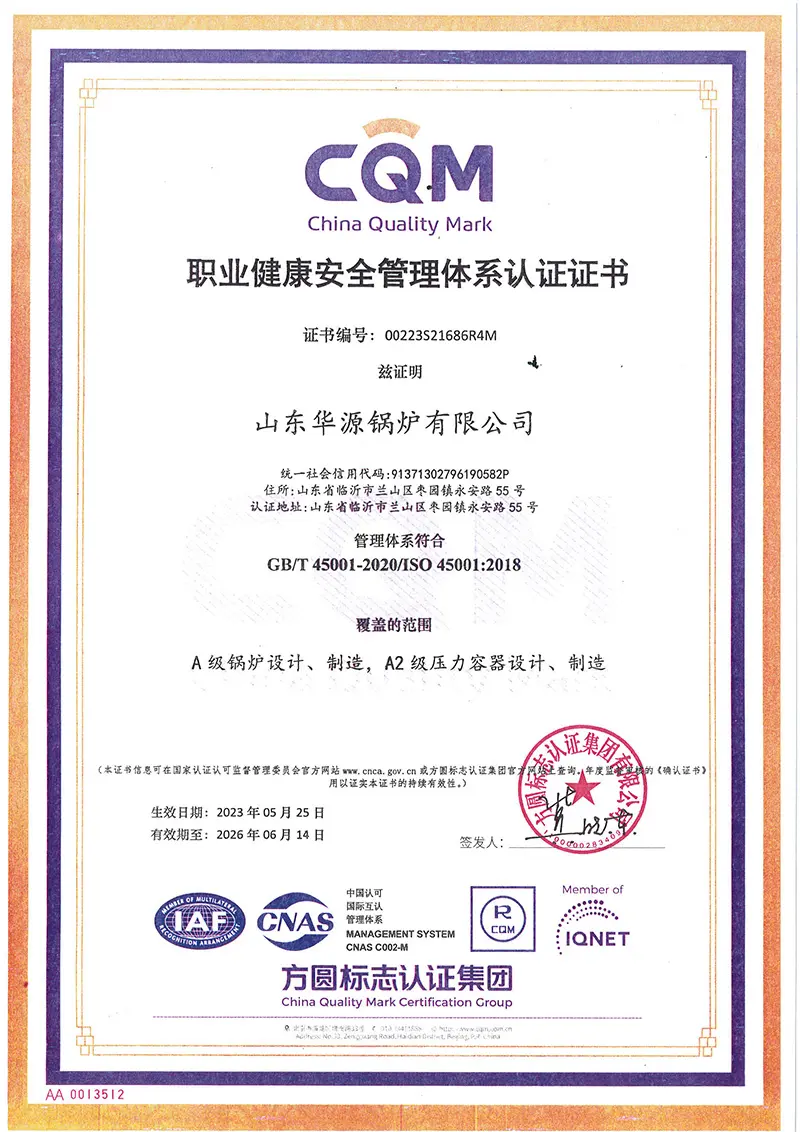
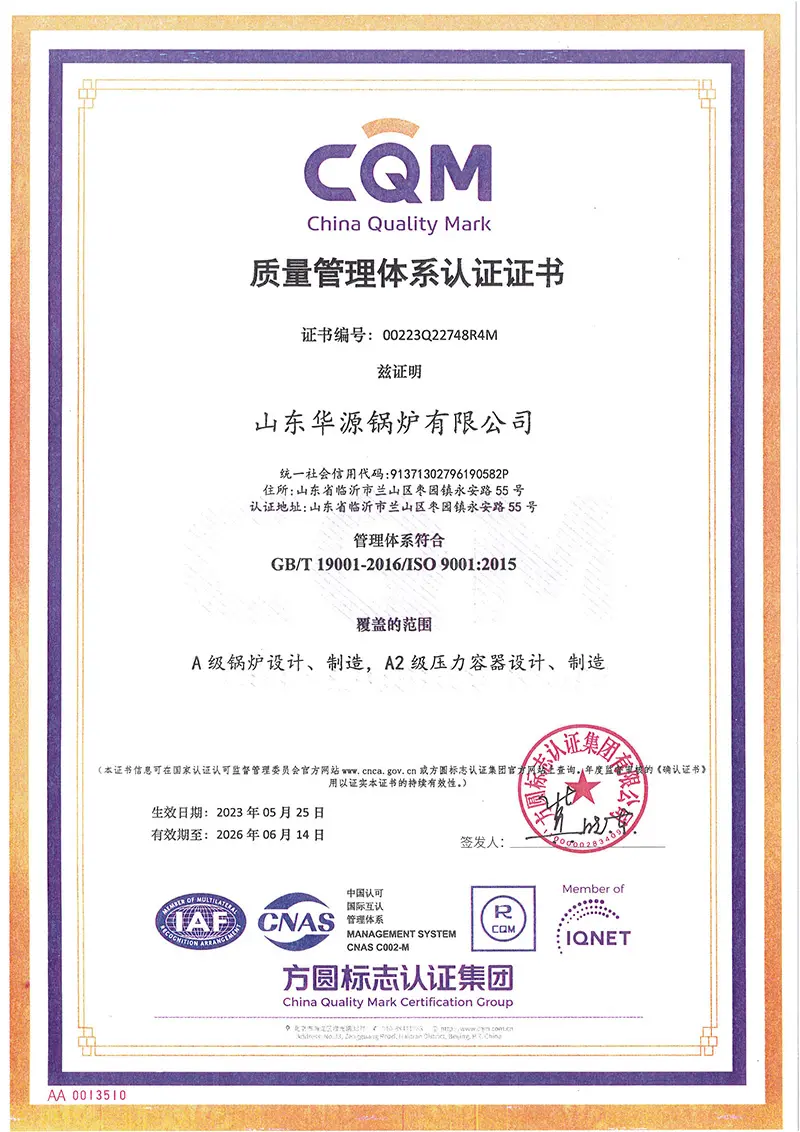
Investing in waste-to-diesel conversion equipment from Huayuan Tech offers a major strategic advantage over western competitors. By integrating advanced production tools and robotics into our 98,680-square-meter facility, we have optimized the cost of fabrication without compromising on quality.
Linyi is a national hub for heavy steel production and metal fabrication. This allows us to source raw materials, specialty structural steel, and high-heat resistant boiler components at lower base rates.
Our pressure vessels are assembled utilizing robotic submerged arc welding. This guarantees clean joints, consistent weld depths, and pressure tolerances that easily pass ASME inspect tests.
Every reactor chamber is subjected to non-destructive testing (NDT), including ultrasonic, magnetic particle, and radiographic verification. Testing is completed in-house to reduce lead times.
Our complete modular systems are pre-assembled and pre-piped in our factory, reducing installation costs at your facility and saving up to 40% on overall CAPEX.
Different markets present unique regional challenges. Our waste motor oil-to-diesel distillation plants and pyrolysis oil refiners are configured to meet local requirements:
Off-grid remote mining sites in South America and Africa require massive amounts of diesel to operate heavy machinery and dump trucks. Shipping diesel fuel to these locations can double the fuel cost. By installing an on-site Huayuan oil distillation unit, mining operators can recycle used motor oils directly from their heavy transport fleets, converting waste lubricant back into usable diesel fuel, and saving thousands in fuel transportation costs.
Global ports process millions of gallons of waste bilge water and sludge oil annually. Our continuous pyrolysis oil refining plants process sludge oil, removing water and heavy metal pollutants, and converting it into clear fuel oil. The end product serves as a cost-effective alternative for marine diesel engine power plants and auxiliary generator units.
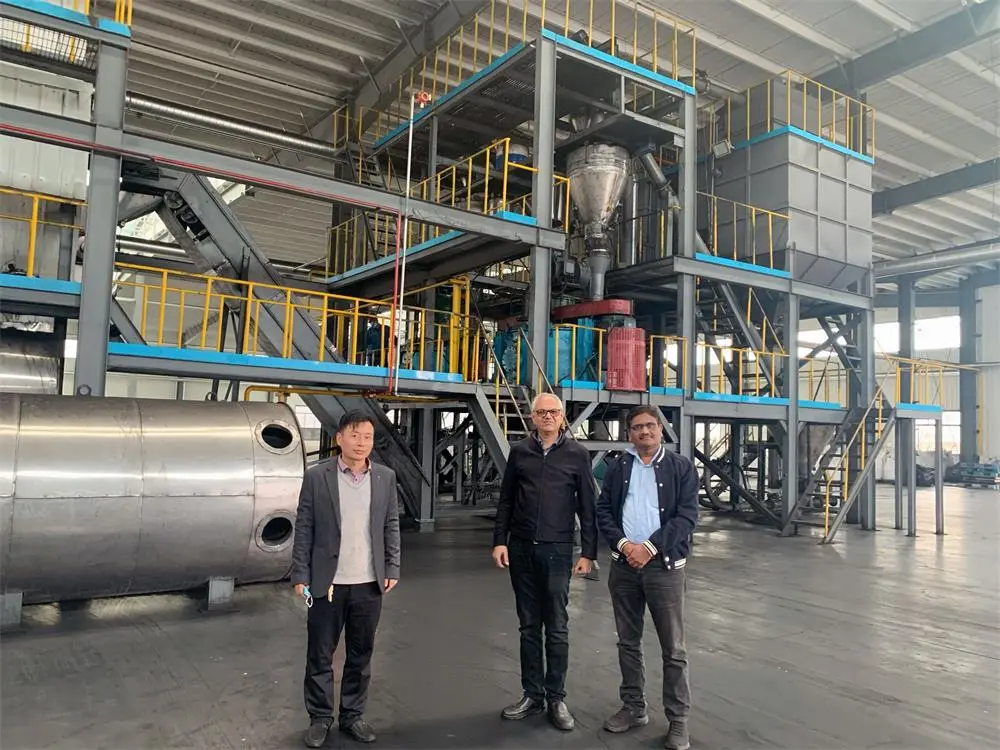
Get answers to common technical, commercial, and operational questions about waste motor oil-to-diesel conversion equipment.
Browse our full range of heavy industrial machinery, manufactured in China to meet global environmental and safety standards.
 Huayuan