Pre-configured heavy-duty processing infrastructure tailored to meet strict European environmental regulations and local commercial parameters.
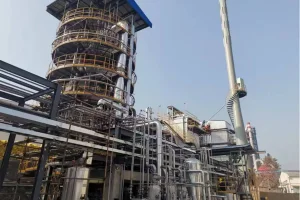
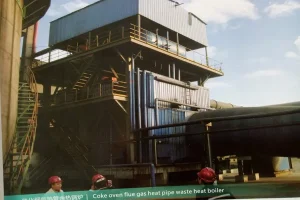
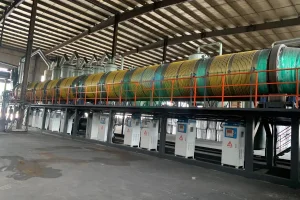
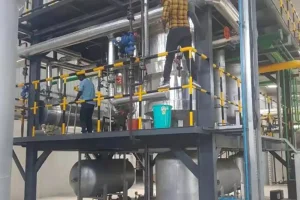
The Port of Antwerp-Bruges stands as Europe’s second-largest port and its largest integrated chemical cluster. Within this hyper-dynamic hub, massive petrochemical complexes, logistic hubs, and heavy manufacturing facilities generate complex industrial solid waste streams. Traditionally subject to rising landfill taxes and carbon emissions charges, these local businesses are actively transitioning toward high-capacity Industrial Solid Waste to Energy (WtE) Plants.
Our systems are engineered precisely for these demanding urban-industrial contexts. By deploying continuous feed thermal conversion, pyrolysis reactors, and integrated waste heat boilers, plants located in and around Antwerp can process hazardous/non-hazardous plastics, municipal-industrial sludge, and end-of-life tire shreds directly on-site. This offsets natural gas consumption, supplies steam for chemical manufacturing processes, and establishes robust supply security against fluctuating European electricity prices.
"With European energy prices remaining highly volatile, installing localized waste-to-steam conversion loops in ports like Antwerp provides an internal rate of return (IRR) often exceeding 22% while drastically slashing scope 1 & 2 carbon footprints."
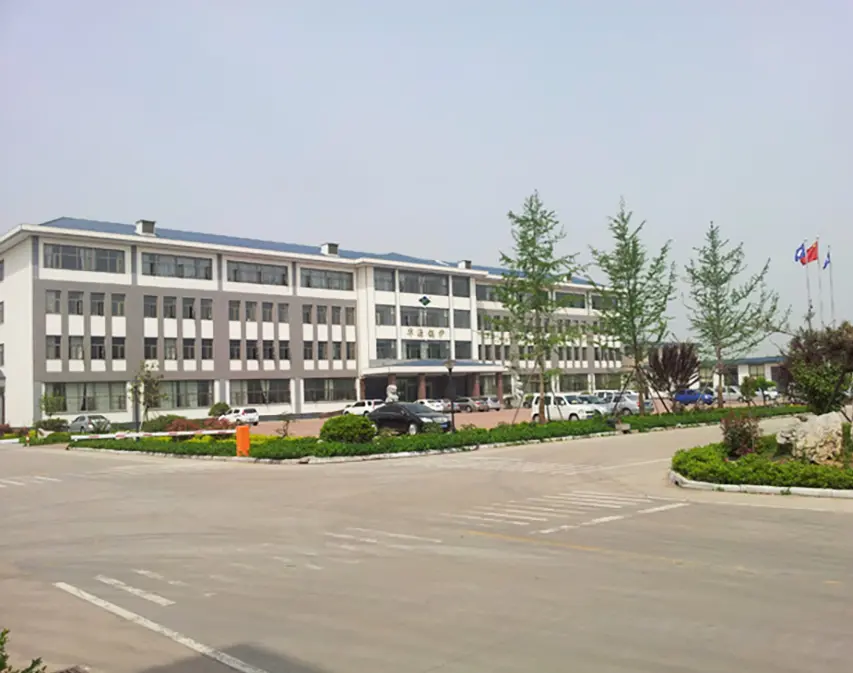
Focusing on waste-to-energy and waste tire/plastic pyrolysis technology, Huayuan Tech has evolved over five decades into a global leader in thermal equipment manufacturing. Our primary production facility spans a massive 209,335 square meters, with a specialized plant footprint of 98,680 square meters. Leveraging a dedicated team of over 500 personnel—where engineering and technical specialists comprise 34% of the workforce—we ensure precise mechanical design and execution.
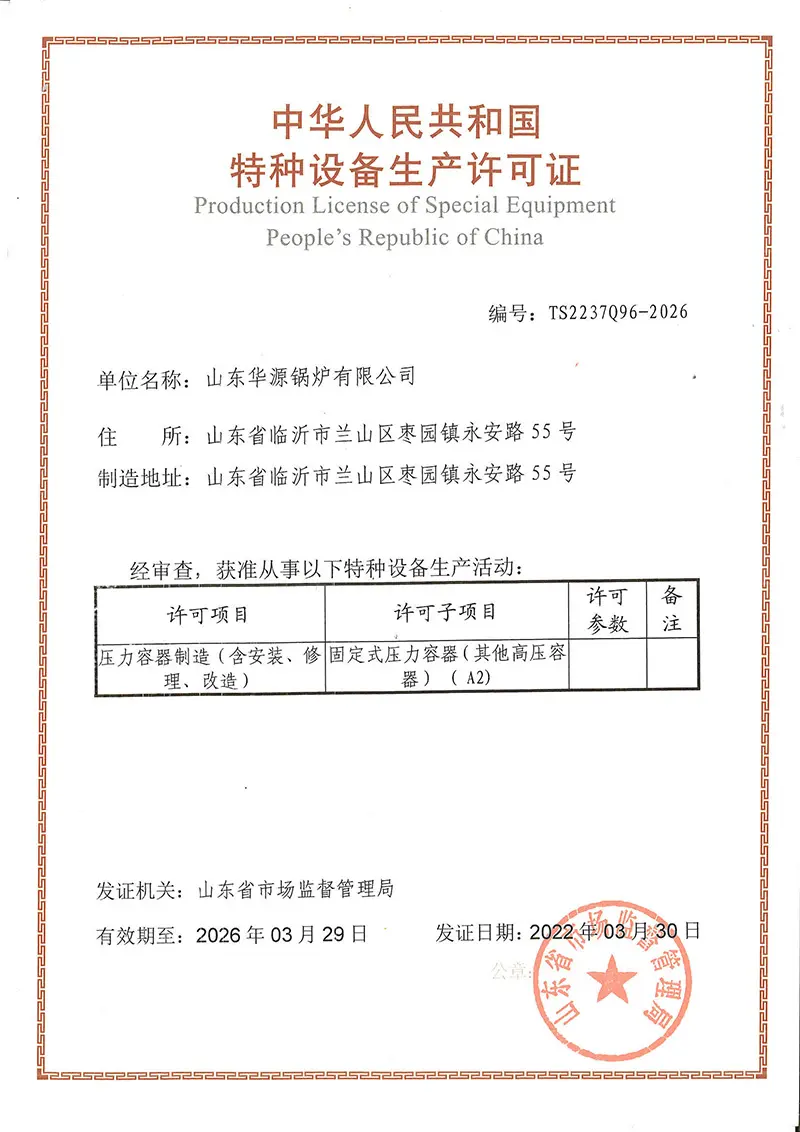
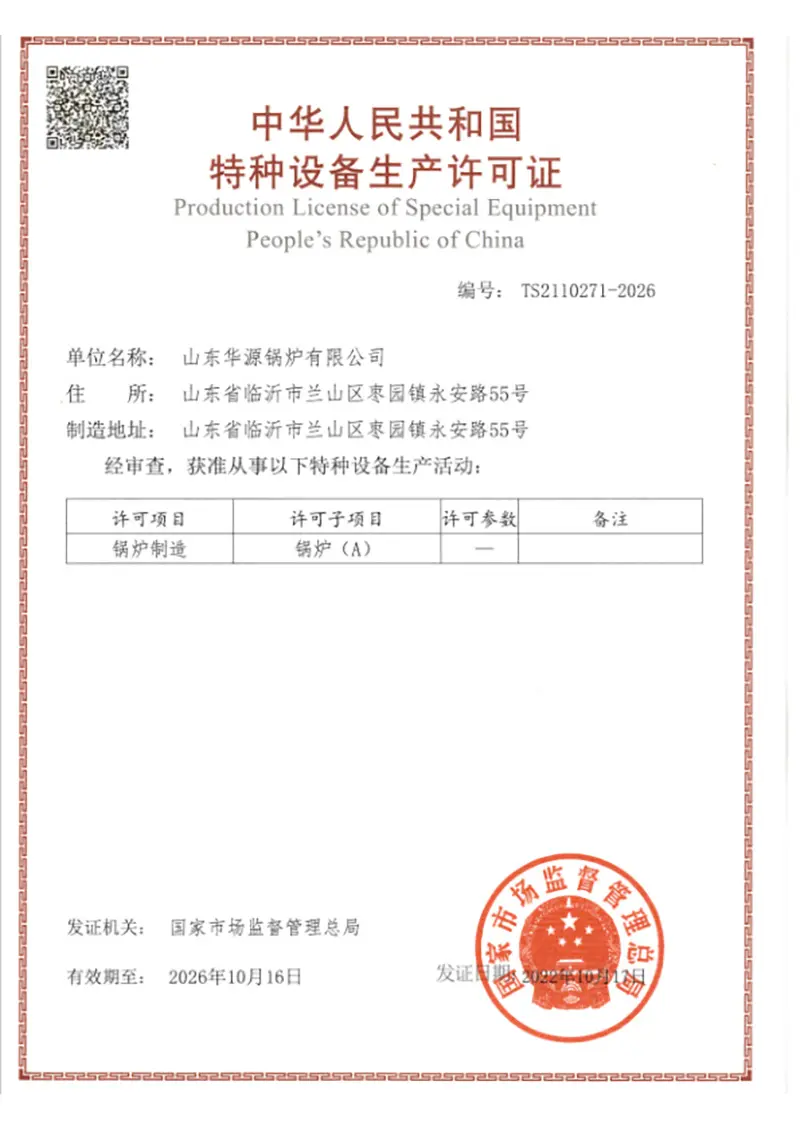
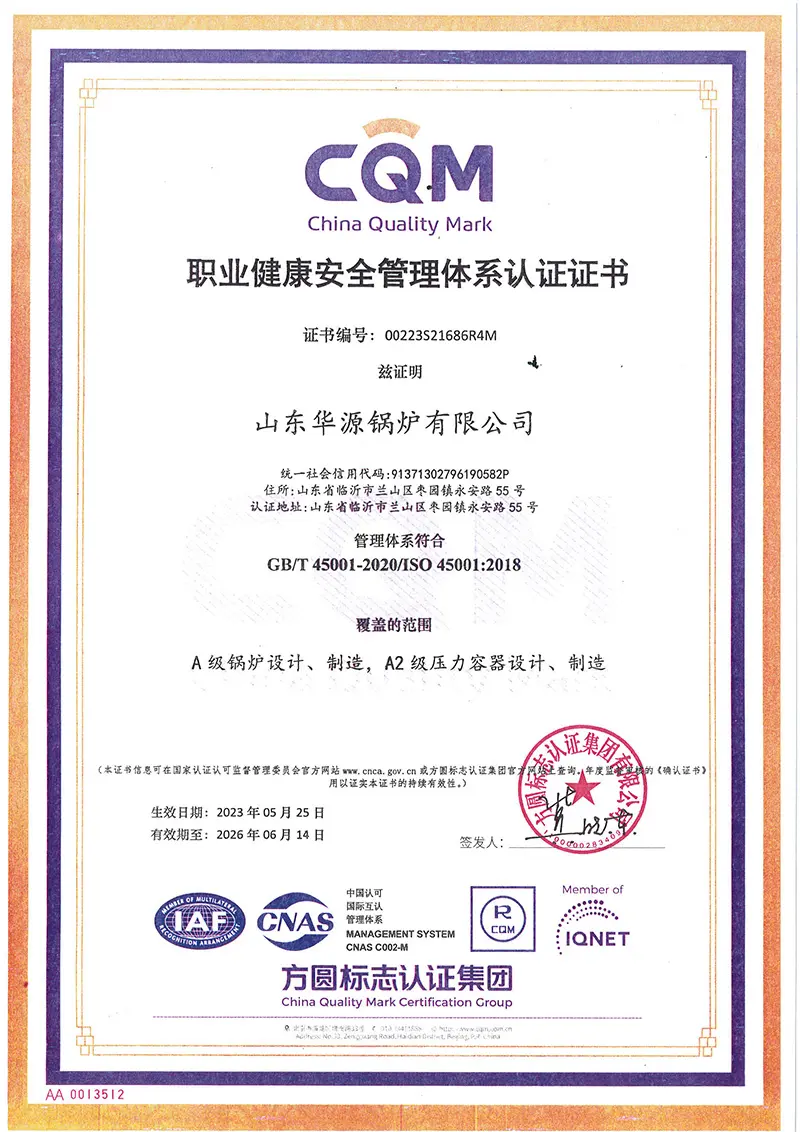
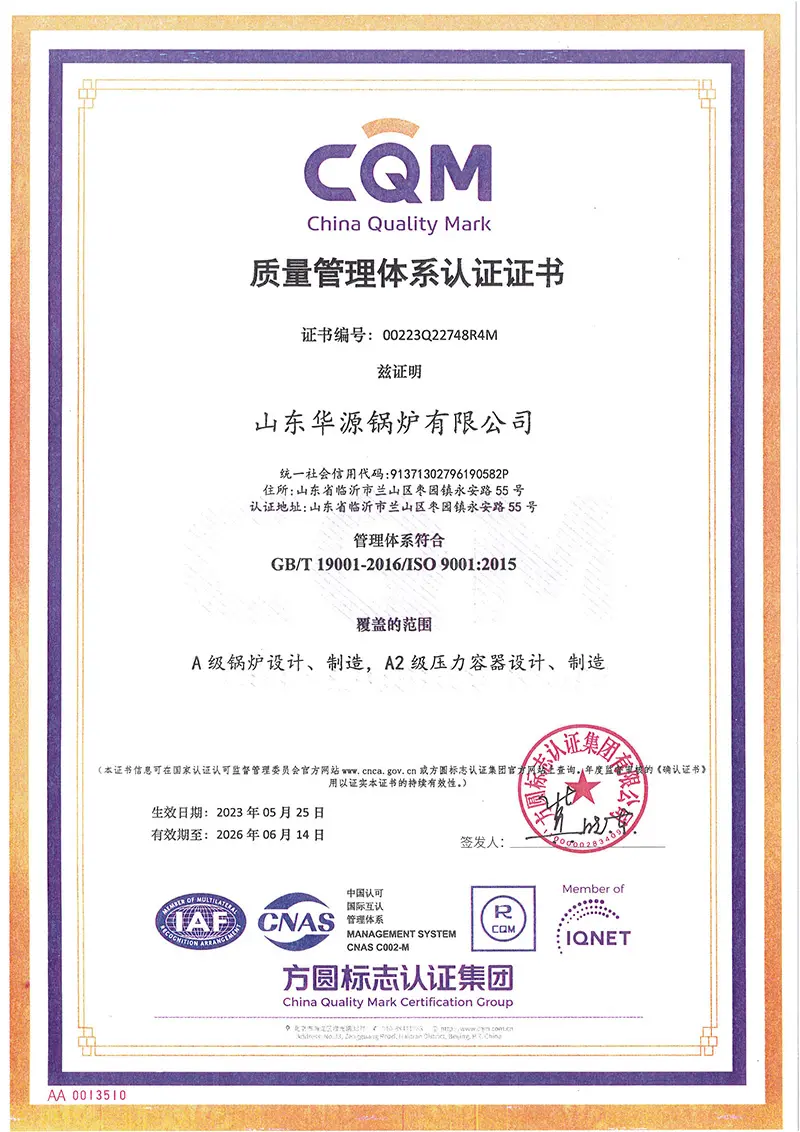
We hold national Class A boiler and pressure vessel manufacturing licenses, alongside D1 and D2 pressure vessel design certificates. This extensive qualification enables the complete design, casting, fabrication, testing, and system integration of complex waste thermal processing lines. Our production complies fully with the American Society of Mechanical Engineers (ASME) standards and boasts ISO9001, ISO14001, and ISO45001 system certifications.
Navigating complex EU directives while maximizing thermodynamic yield from heterogeneous solid waste fuels.
Specifically built to operate within the guidelines of the EU Industrial Emissions Directive (IED 2010/75/EU). Features advanced multi-stage acid gas scrubbers, denoxification systems (SCR/SNCR), and carbon filters to minimize emissions below VLAREMA requirements.
Fully certified to the American ASME boiler standards and CE pressure vessel specifications. Double-walled reactor casings, triple purge inert gas barriers, continuous flue gas monitoring, and automated emergency safety bypass systems come standard.
By coupling localized Western European project management and regulatory advisory with our advanced Chinese manufacturing base, clients save up to 40% in initial capital expenditures without compromising quality or steel grades.
Fifty years of refining combustion, heat recovery, and chemical recycling systems.
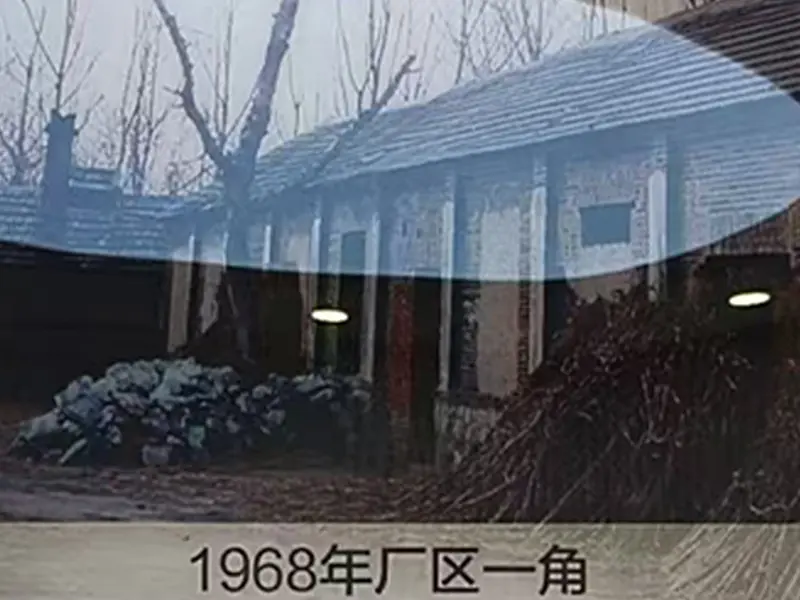
Originally developed boiler technology in workshops. Reorganized under county bureau oversight to standardize steam and pressure vessel manufacturing.
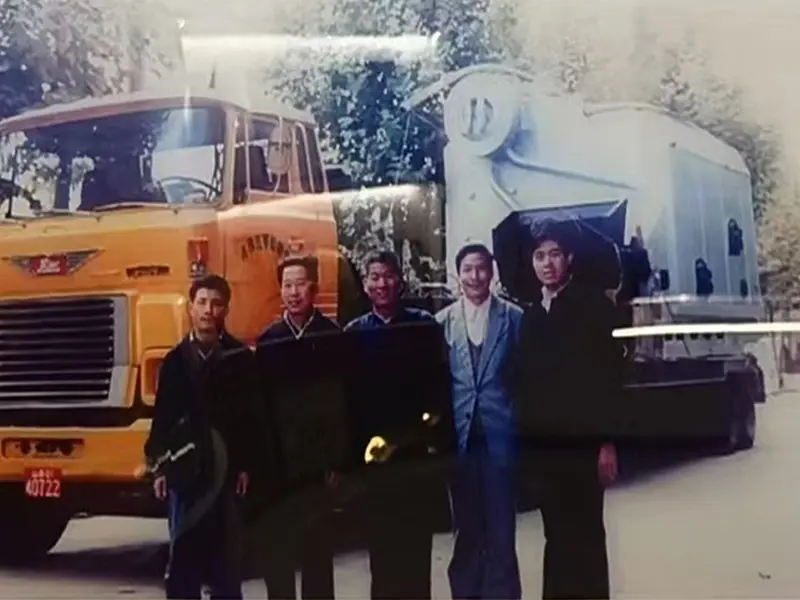
Merged and relocated to Linyi. Restructured to Linyi Boiler Co., Ltd., paving the way for advanced modern thermal design systems and global standards.
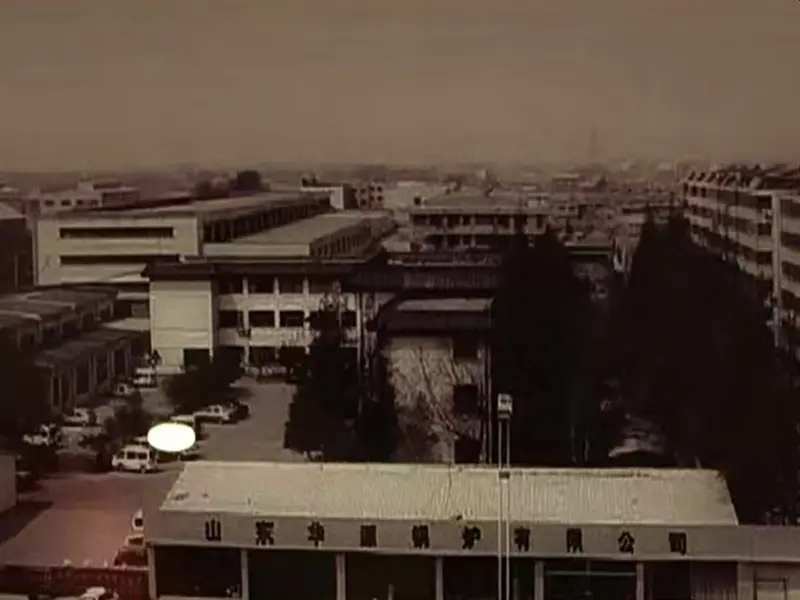
Obtained national A-level boiler license, ISO certifications, and launched continuous waste tire pyrolysis systems. Scaled worldwide with ASME standards.
Manufactured to comply with standard pressure, quality, and environmental specifications globally.
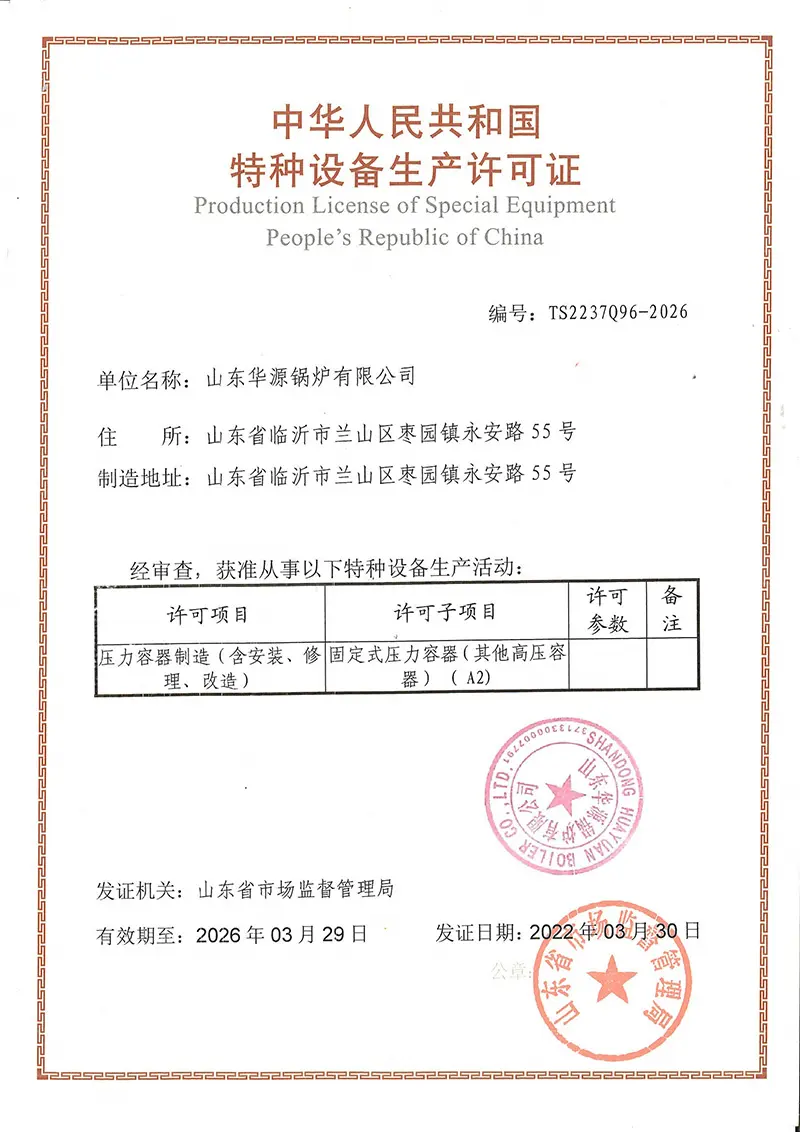
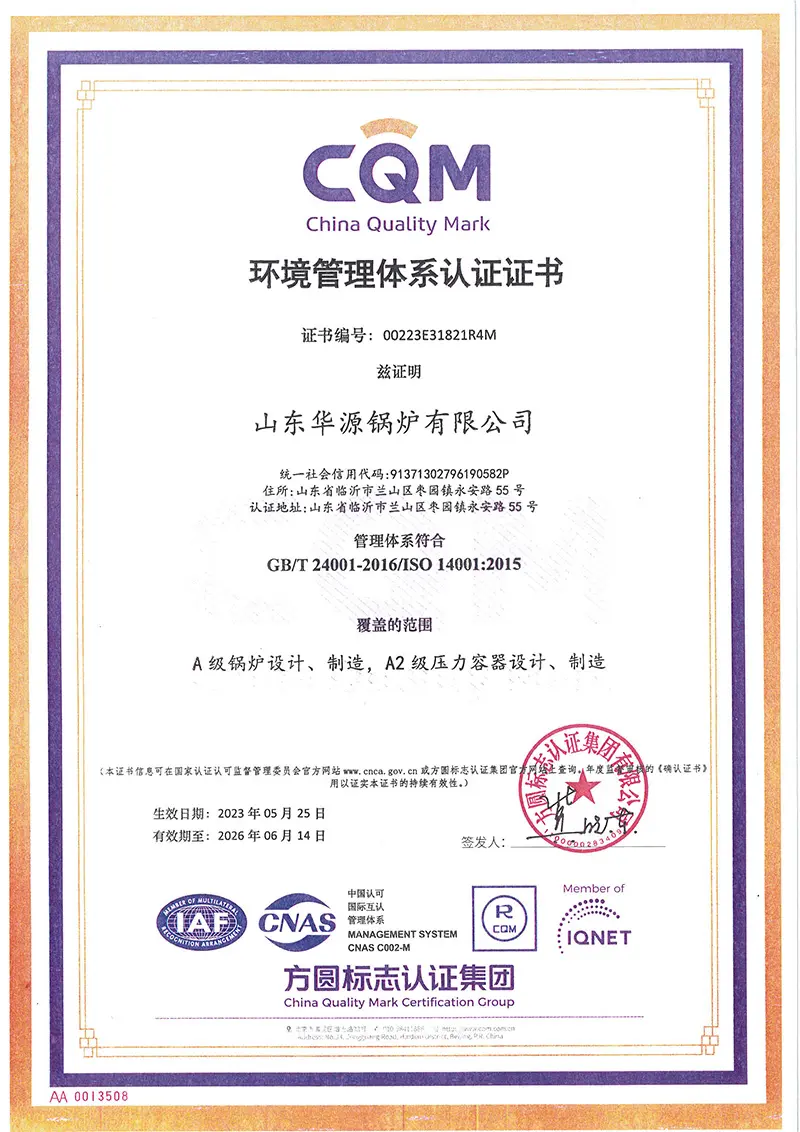
Within the context of Belgium’s tight environmental targets, deploying a standard combustion model is no longer sufficient. Our modern waste-to-energy solutions focus on indirect heating pyrolysis and high-efficiency thermal gasification. This strategy prevents the synthesis of high dioxin loads by decomposing the solid waste under sub-stoichiometric (oxygen-free) conditions.
The gaseous product generated (syngas) is routed to a secondary combustion chamber operating above 1100°C with a residence time exceeding 2 seconds to destroy trace organic pollutants. The hot exhaust then flows through a tailored Waste Heat Boiler, producing saturated steam that can be direct-coupled into chemical manufacturing processes inside the Port of Antwerp, reducing local dependence on imported fossil gas.
Providing customizable setups to handle everything from municipal solids to carbon black recovery and petrochemical oil refining.
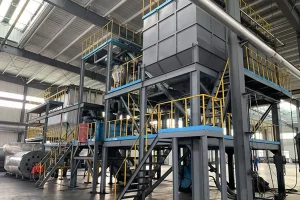
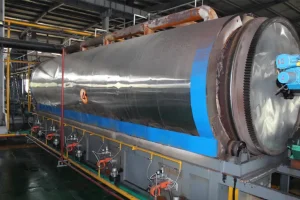
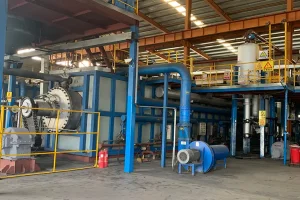
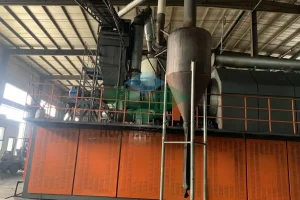
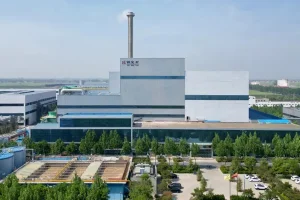
Balancing the cost efficiency of Chinese manufacturing with Western European compliance standards.
China produces over 60% of the world's heavy industrial processing units. At Huayuan Tech, we leverage direct supply agreements with Tier-1 steel mills (providing certified Q345R, boiler-grade steel, and specialized stainless alloys) and leading thermal component brands. Our massive 209,335 m² footprint allows us to pre-assemble modular structural skids in-house. This cuts down on expensive onsite structural welding and assembly times in Antwerp ports by up to 50%.
Additionally, by centralizing procurement and manufacturing under one facility, we can guarantee consistent weld quality via automated radiographical testing (RT) and ultrasonic inspection. This results in reliable system operations under high temperature and pressure.
Deploying a WtE or Pyrolysis Plant in the Flanders region requires navigating strict environmental regulations (VLAREMA, OVAM, and European IED). We support your project team by providing:
How local ports, chemical complexes, and waste treatment companies utilize our plants.
Integrating high-capacity waste heat boilers with process waste streams. The resulting high-pressure steam is piped directly to nearby chemical reactors, cutting down on grid electricity reliance and lowering fossil fuel carbon footprints.
Deploying continuous rotary kiln pyrolysis plants to process shredded tires. Recovered fuel oil is refined on-site, and carbon black is processed back into industrial grades, aligning with Belgium's Circular Economy policies.
Converting plastics, hazardous shipping packaging, and complex organic solids into synthetic oil or synthetic gas (syngas) directly inside the Port of Antwerp limits, avoiding high external transportation and waste processing costs.
Answers to engineering, regulatory, and logistics questions from procurement and operations managers.
Our plants are designed to comply with local VLAREMA regulations. Standard configurations include dry or semi-dry acid gas scrubbers (using lime or sodium bicarbonate injection), activated carbon injection systems for heavy metals and dioxin control, and selective catalytic reduction (SCR) for NOx removal. Flue gas monitoring systems can be integrated with local plant telemetry for transparent, real-time reporting to environmental authorities.
The primary advantage lies in capital cost efficiency and raw material supply chain control. We produce our boilers and pyrolysis reactors in our own 209,335 square meter facility, allowing us to manage costs effectively. Additionally, our 50+ year history and certifications (ASME, ISO, CE) ensure our engineering standards match those of European suppliers. We also coordinate with local European contracting teams to handle civil work, permitting, and service support, providing a cost-effective, high-quality solution.
Yes. Our continuous pyrolysis systems are designed to process diverse plastic mixtures, including polyethylene, polypropylene, and polystyrene. If PVC is present in the feed stream, we integrate specialized catalytic dechlorination systems or acid-neutralizing scrubbing columns to manage hydrochloric acid byproducts and prevent reactor corrosion.
We hold ASME Section VIII Division 1 & 2 certificates and design all pressure components in accordance with EN 13445 or EN 12952/12953. All components shipped to the European Union carry the CE mark, backed by comprehensive design reviews from approved notified bodies.
Our pyrolysis reactors utilize high-temperature, corrosion-resistant steel alloys and are engineered for an operational lifetime of 8 to 10 years before requiring main shell refurbishment. Routine maintenance schedules require a brief annual inspection of seals, bearings, and burner systems, minimizing overall downtime.
Contact our engineering team to schedule a custom mass-balance calculation and cost estimate for your Antwerp facility.
 Huayuan