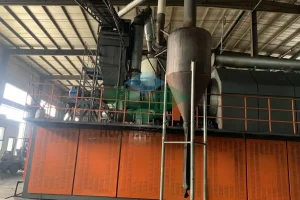
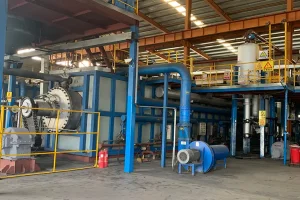
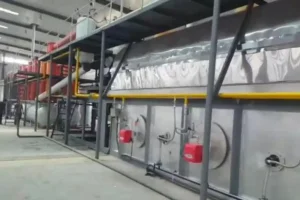
Industrial solutions addressing Syria's alternative fuel demands and plastic-to-fuel refining infrastructure.
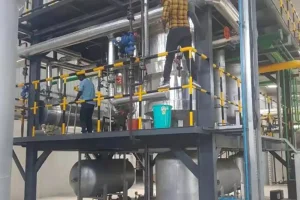
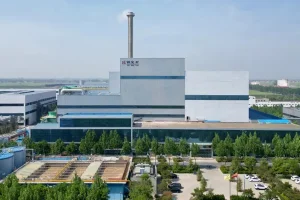
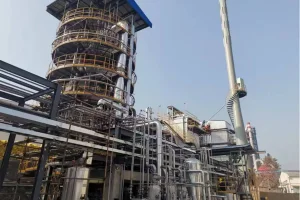
As the metropolitan Damascus region undergoes extensive civil and industrial reconstruction, traditional fossil fuel reliance faces unprecedented logistic hurdles and price volatility. Located in the Adra Industrial City, local manufacturers across metallurgy, ceramics, and textiles are pivoting toward alternative carbonaceous fuel substitutes. In this critical transition, tire and plastic pyrolysis oil refining technology presents an invaluable strategic resource.
Standard crude pyrolysis oil derived from scrap tires or plastic waste contains high concentrations of heavy fractions, ash, paraffin, and aromatic sulfur compounds, restricting direct engine application. Converting this crude stream into high-value diesel substitutes is essential. The demand for advanced fractional distillation plants is soaring in Damascus, enabling industrial operators to clean local waste streams while cultivating high-yield energy independence.
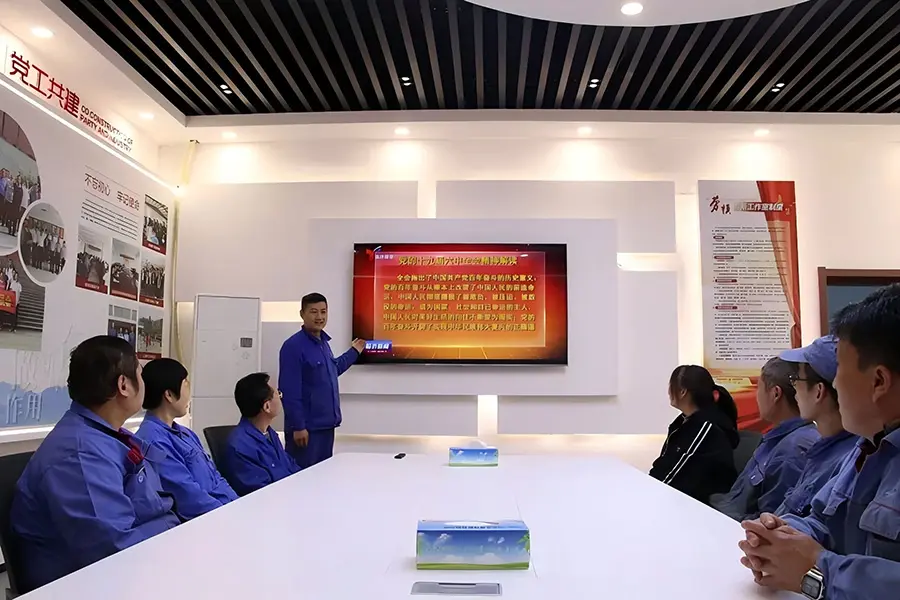
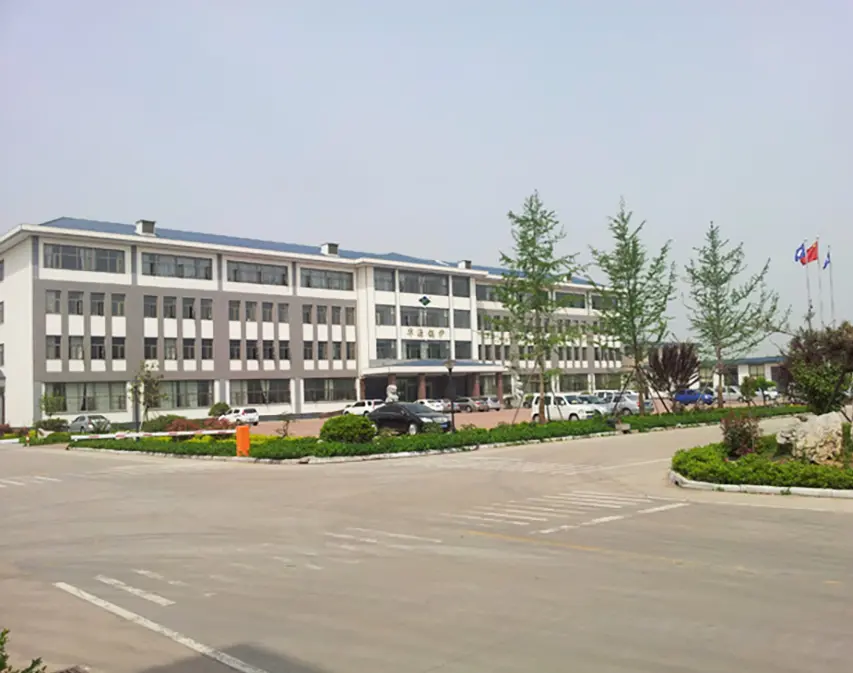
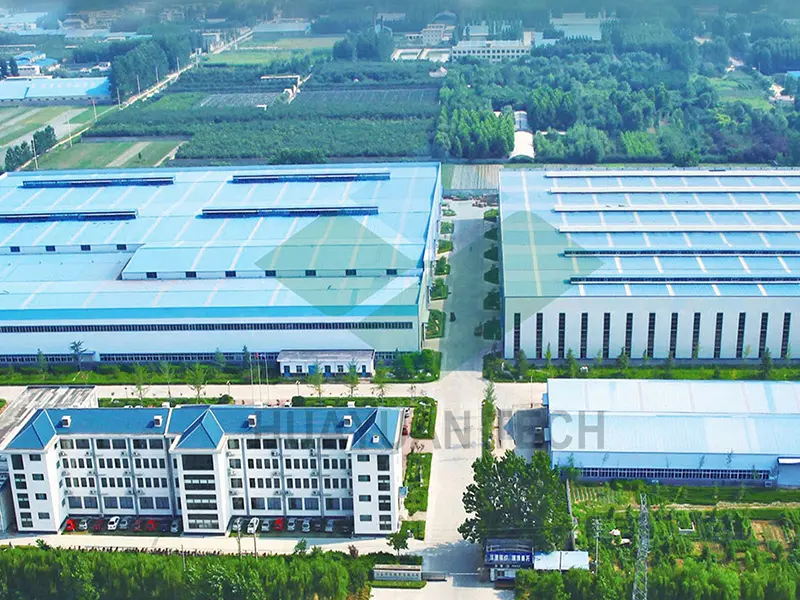
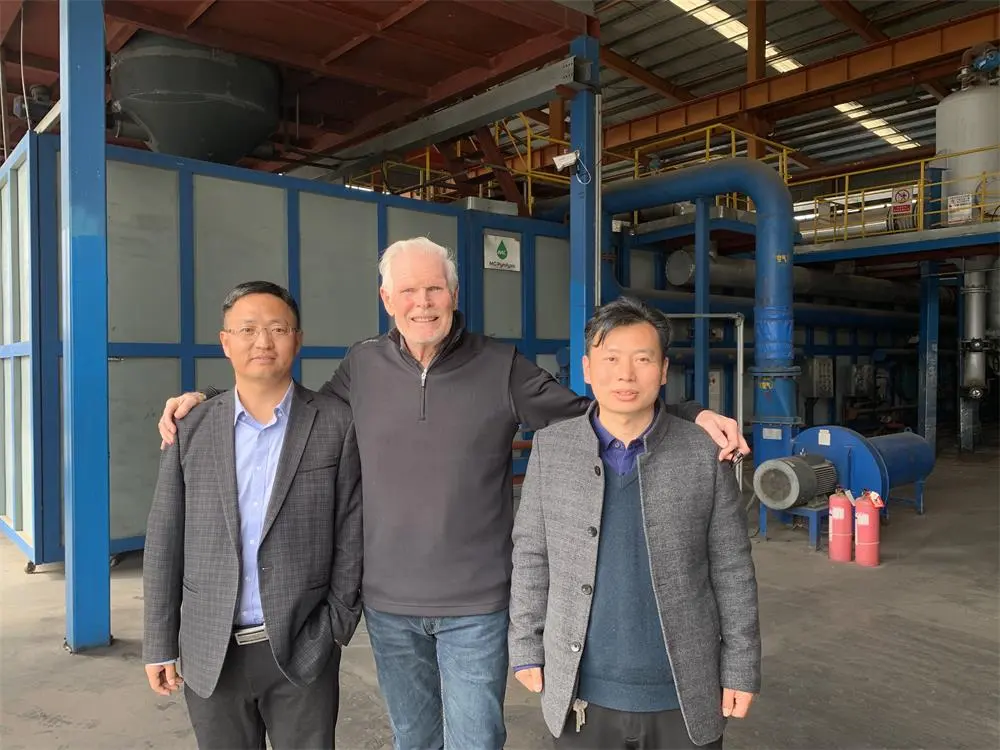
Huayuan Tech was founded in 1968, committing over five decades to industrial thermal management and structural design of pressure vessels and pyrolysis plants. Our corporate infrastructure spans 209,335 square meters with a modern plant footprint of 98,680 square meters. Backed by a dedicated workforce of 500+ employees—where research engineers comprise over 34%—we manage turnkey engineering processes from design to deployment.
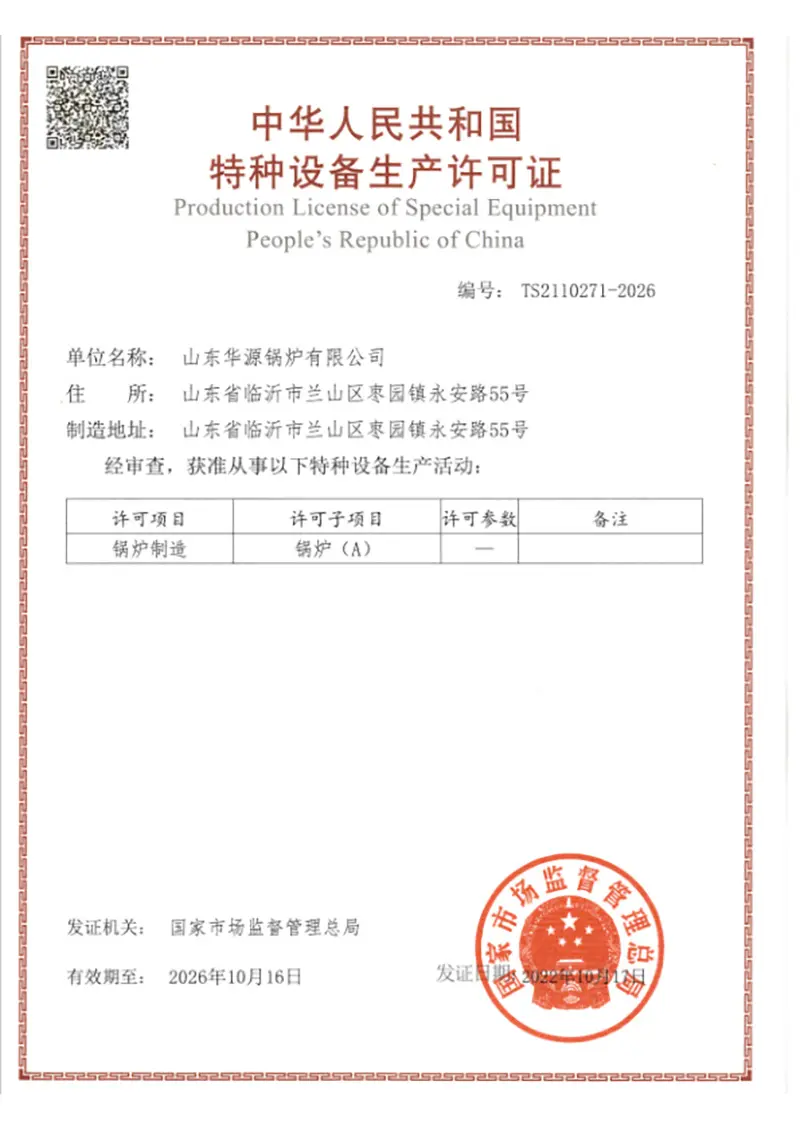
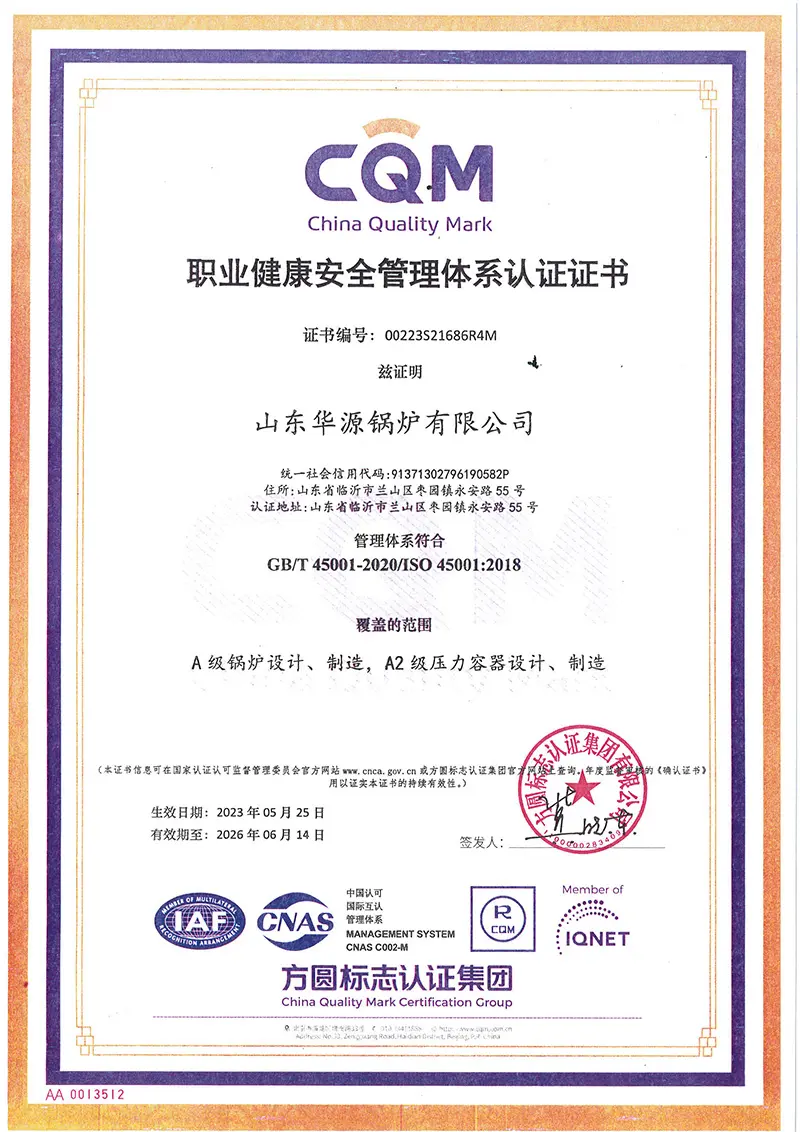
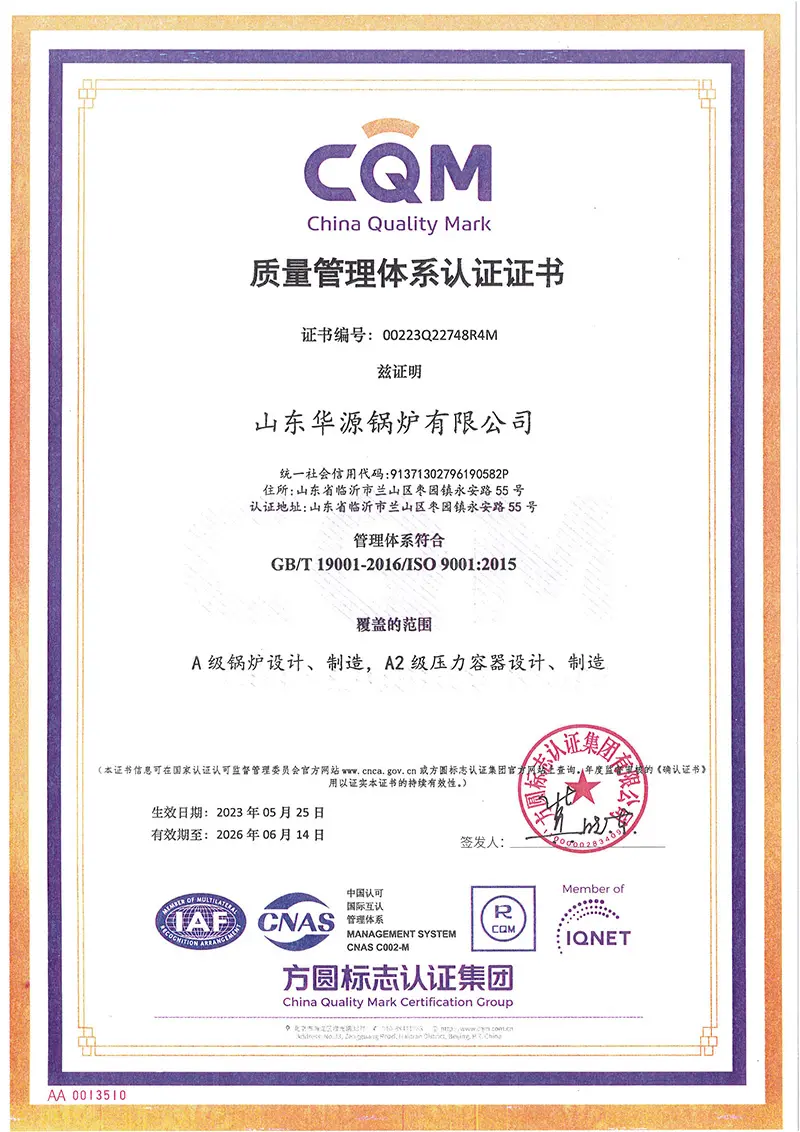
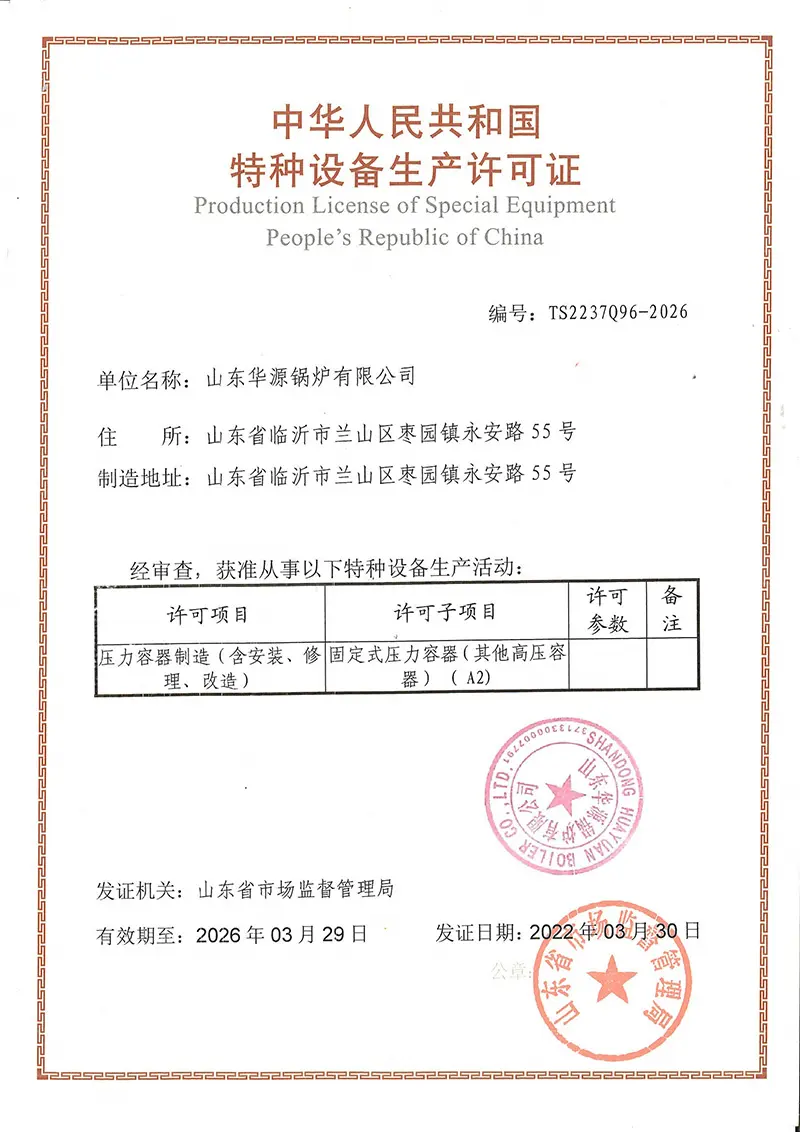
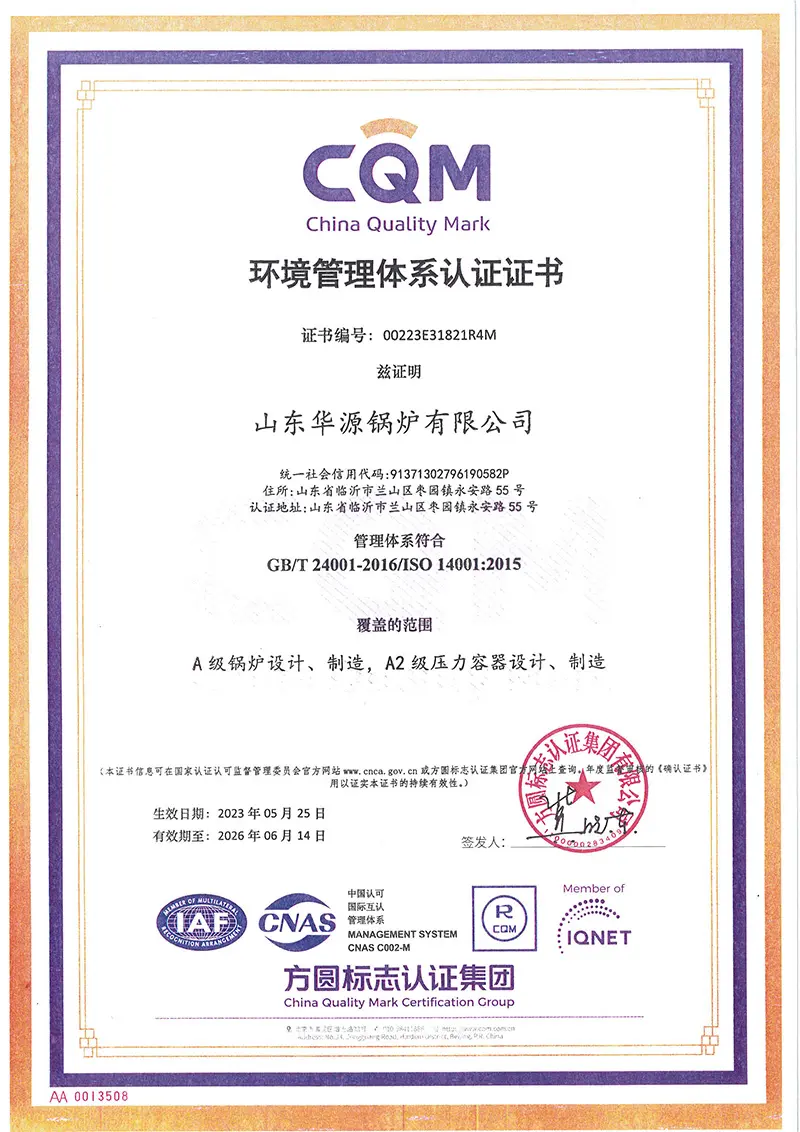
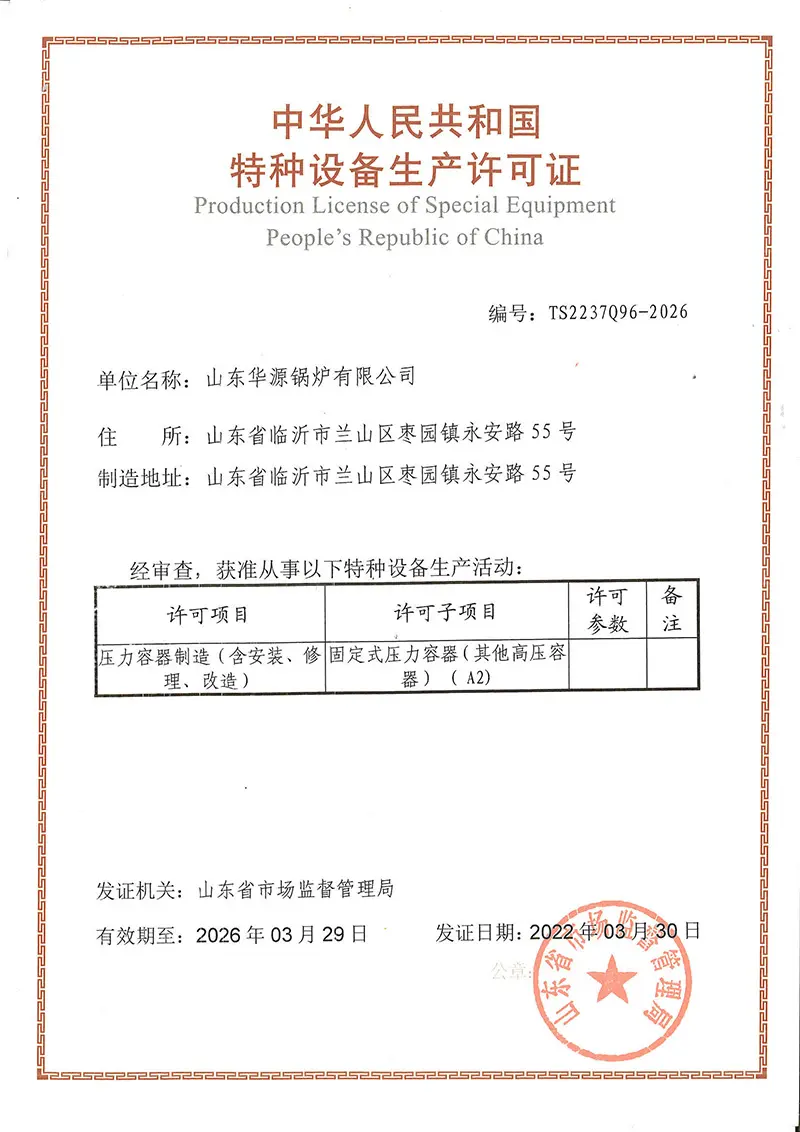
Holding prestigious national Class-A boiler fabrication certificates, D1D2 pressure vessel design licenses, and American Society of Mechanical Engineers (ASME) U&S stamp authorizations, Huayuan Tech guarantees structural reliability. All systems are manufactured in compliance with ISO9001, ISO14001, and ISO45001 international management standards.
Integrating mechanical automation with advanced metallurgy, Huayuan Tech systems are built to withstand continuous thermal stresses. Our plants feature a range of processing capabilities, including batch feedstocks and full-scale continuous screw-conveyor systems. We prioritize environmental safety by utilizing continuous, multi-stage condenser structures and non-condensable synthetic gas combustion systems to minimize hazardous emissions.
For Damascus industrial companies searching for localized engineering layouts, we provide plant engineering that handles dirty feedstocks, volatile fuel markets, and localized regulatory targets. Watch our factory production video to see our fabrication precision and QA processes.
Get Technical DatasheetsTo convert heavy black pyrolysis crude into clear, low-viscosity fuels, the refining plant employs a series of catalytic cracking and fractional distillation processes under negative pressure. This technology is essential for addressing the specific challenges of Damascus's oil refining sector:
Distillation under atmospheric pressure requires temperatures above 380°C, triggering heavy thermal cracking, coking of reactor walls, and clogging of tubes. Our system reduces the boiling point of heavy oil fractions by operating under vacuum conditions (-0.09 MPa to -0.098 MPa). This protects the feedstock from overheating, minimizes fuel loss, and increases diesel yields.
The vaporized oil passes through a vapor phase catalyst bed. Long-chain heavy hydrocarbons break down into short-chain diesel components. Fractionation columns split the vapor into three key cuts:
The condensed raw diesel exhibits an amber color and a strong sulfur-olefin odor. The final purification stages include catalytic scrubbing or clay adsorption. This process removes colloidal particulates, neutralizes organic acids, and precipitates sulfur compounds. The final product is a stable, light-yellow fuel oil suitable for industrial burners, generators, and agricultural machinery.
Decades of continuous manufacturing and product optimization since 1968.
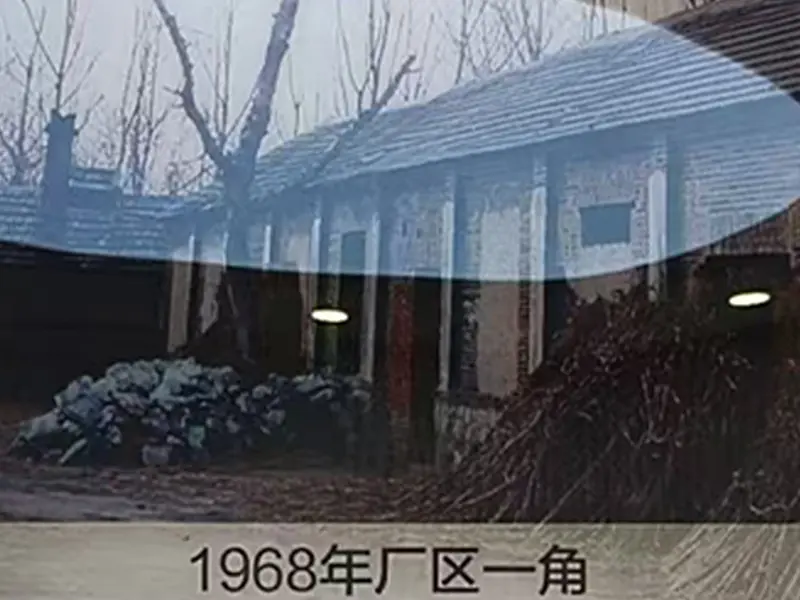
Initially, Huayuan Technology developed boiler technology in several factory workshops, setting our baseline for thermal equipment manufacturing.
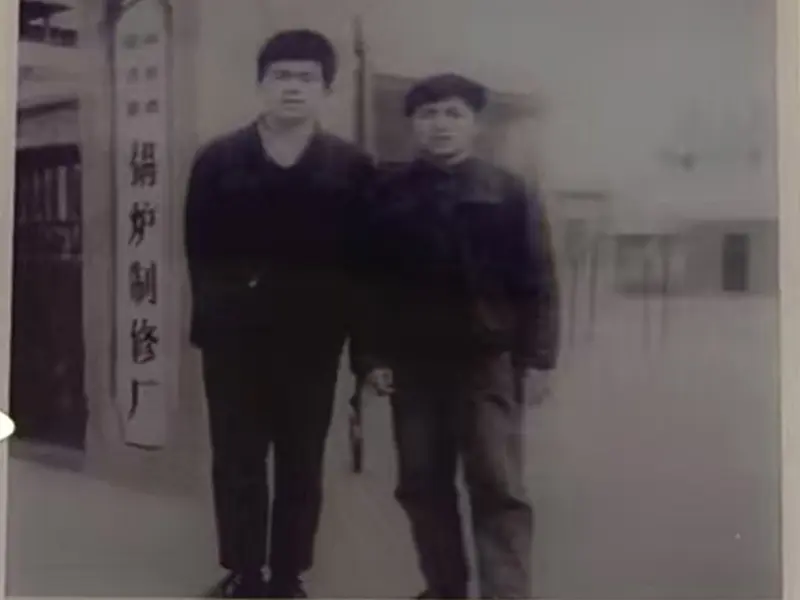
Restructured as Linyi County Boiler Manufacturing and Repair Factory under the jurisdiction of the Linyi County Industrial Bureau.
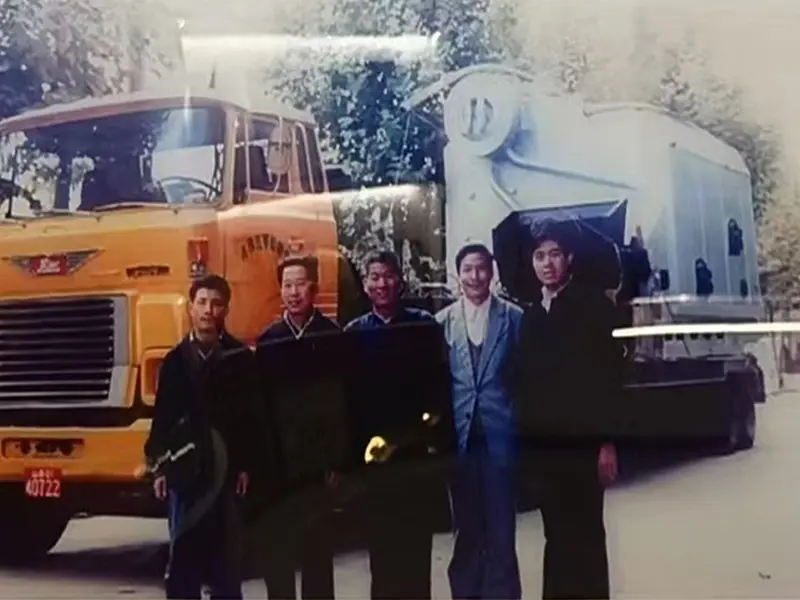
Renamed Linyi Boiler Factory, merged with Linyi Auto Parts Factory, and relocated to a larger facility at 373 Tongda Road.
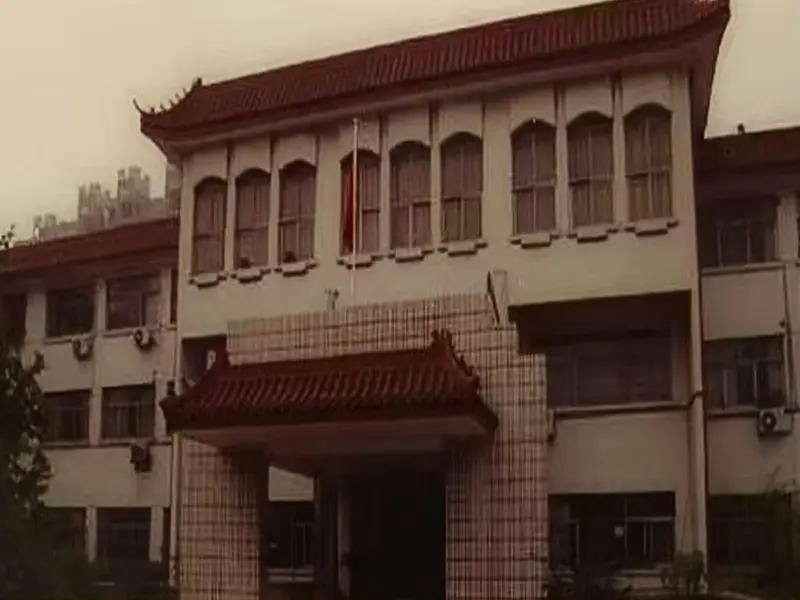
Restructured into Linyi Boiler Co., Ltd., transitioning into a shareholding structure to fuel market growth.
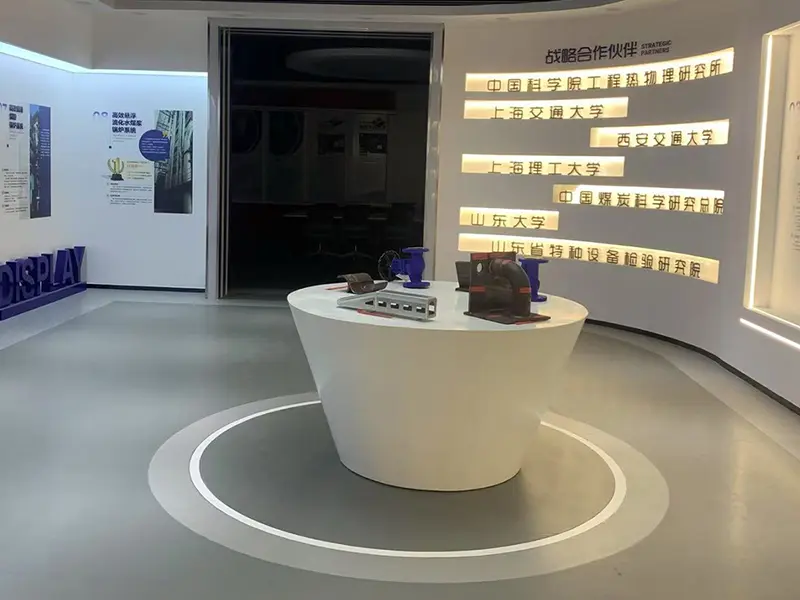
Successful restructuring provided wings for the company's takeoff, taking the first step towards establishing modern corporate standards.
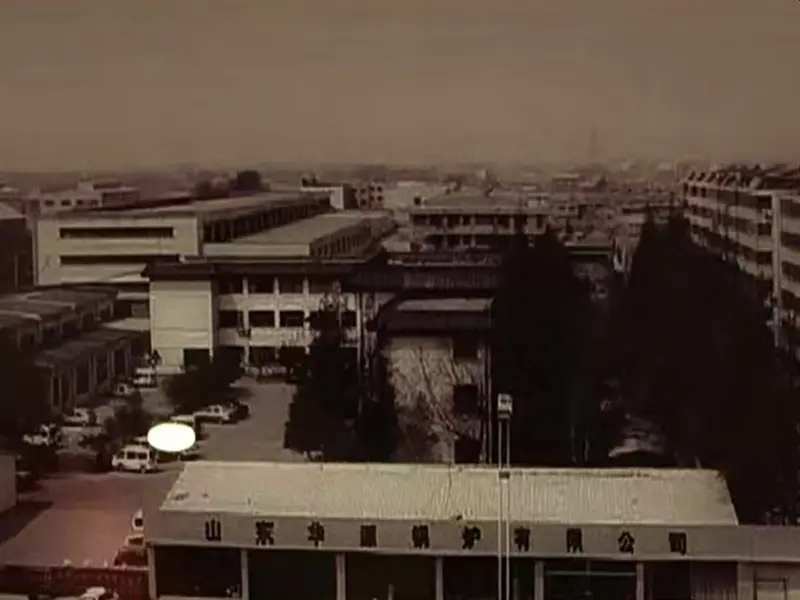
Obtained the national A-level boiler manufacturing license and ISO system certifications. Commenced batch production of waste tire pyrolysis plants.
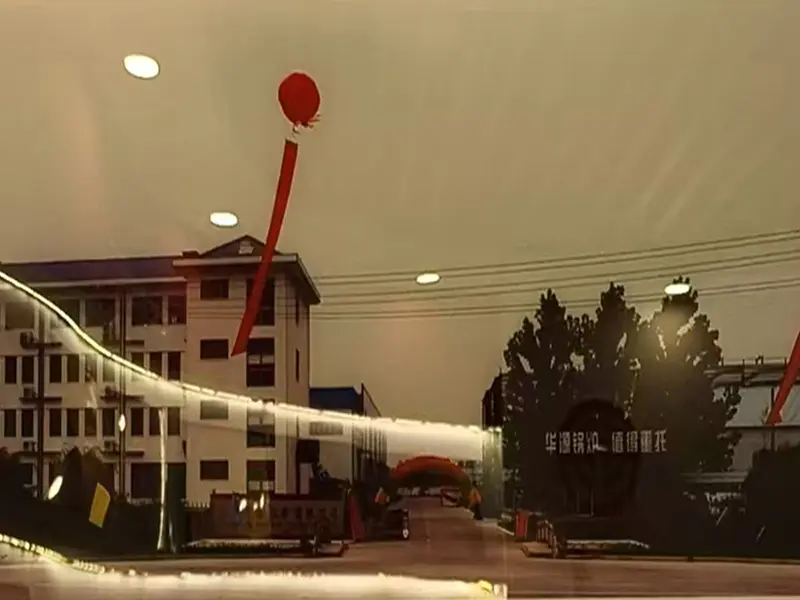
Relocated to a new factory covering 220 acres in Zaoyuan Town Industrial Park. Launched R&D on continuous pyrolysis systems.
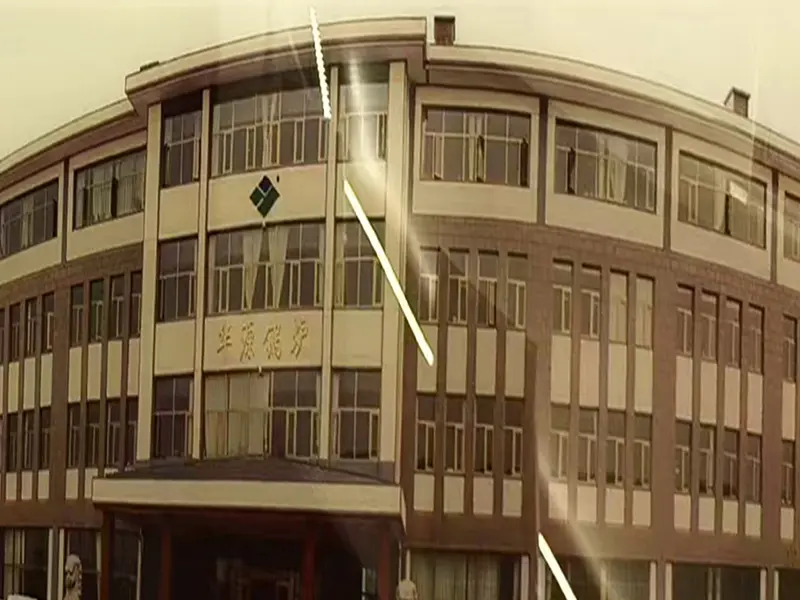
Successfully launched the screw-conveyor continuous pyrolysis plant. Secured high-tech enterprise status and ASME certification to expand globally.
Strengthened our corporate vision: "doing energy conservation and emission reduction, making the sky bluer, the earth greener, and the water cleaner".
Our plants are designed and fabricated to comply with ASME, CE, ISO, and regional safety mandates.
Turnkey waste conversion plants optimized for high yields and low operational costs.
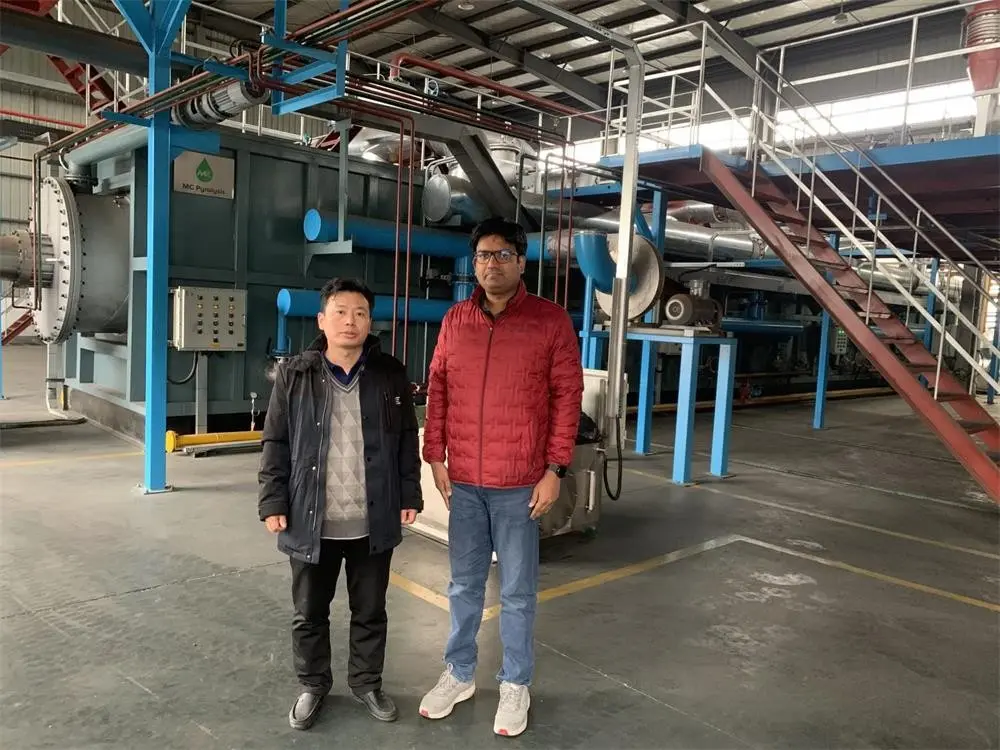
When purchasing industrial pyrolysis and refining plants for the Syrian market, procurement managers must evaluate several technical, economic, and regional factors:
Many liquid chemical purification systems require complex acid-base washing processes (such as sulfuric acid followed by sodium hydroxide treatment). For operations in Damascus, purchasing agents should consider dry-adsorption systems or solid-phase catalysts. These technologies minimize chemical consumption, simplify sourcing, and reduce the logistics costs of handling hazardous liquid reagents.
Pyrolysis reactors are subject to continuous high-temperature thermal cycling, which can cause metal fatigue and stress corrosion cracking in lower-grade materials. Huayuan Tech uses boiler-grade steel plates (Q345R or Q245R) with ASME U-stamp certifications. This ensures our reactors maintain structural integrity over years of operation under high heat.
Syria's environmental regulations are moving closer to European Union emission standards. Plants must feature advanced exhaust scrubbers, including desulfurization towers, ceramic membrane soot collectors, and activated carbon filters. These systems neutralize acidic pollutants (SOx, NOx) and capture fine particulates, ensuring compliance with local air quality mandates.
Essential technical and business insights for project managers and procurement officers.
Complete plant solutions, auxiliary boilers, and carbon black processing equipment serving Damascus and global markets.
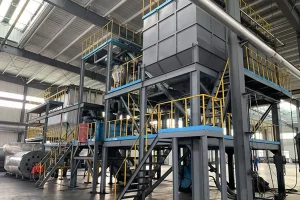
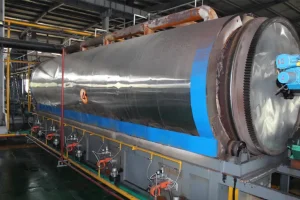
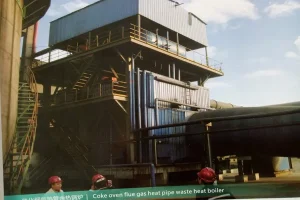
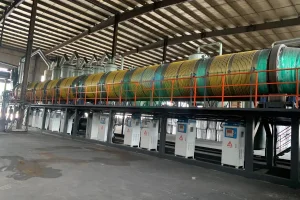
Our engineering team is ready to design a custom solution for your feedstock, throughput requirements, and localized environmental standards. Partner with Huayuan Tech for reliable, high-yield refining technology.
Send Inquiry Now Huayuan