Premium pyrolysis processing and carbon black refining technologies designed for harsh logistics and high efficiency
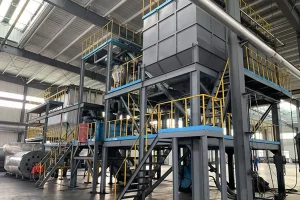
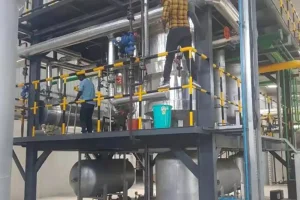
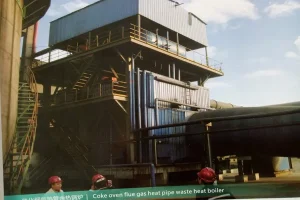
Nepal's rapid industrialization and urban expansion along economic corridors like Birgunj-Pathlaiya and Biratnagar have triggered an exponential increase in vehicle ownership. This surge leads to millions of scrap tires building up annually. Without active domestic tire recycling infrastructure, these tires are often burned openly or discarded in landfills, presenting severe environmental hazards and wasting high-value hydrocarbons.
Simultaneously, Nepal's industrial sector relies heavily on imported coal and carbon inputs for cement manufacturing, brick kilns, and asphalt production. Introducing Recovered Carbon Black (rCB) refining plants changes the game. Upgrading raw pyrolysis char into high-purity refined carbon black (equivalent to semi-reinforcing grades like N550/N660) allows local factories to replace expensive fossil imports, saving foreign currency reserves and lowering production footprints.
A technical overview of the refining process used to modify ash content, grind size, and density parameters
Raw char produced from typical scrap tire pyrolysis contains high ash concentrations (principally zinc oxides, silicates, and sulfur compounds), metal wire fragments, and coarse grit. This material cannot be directly used in rubber compounding or pigment formulation without extensive mechanical and thermal refining. Huayuan Tech's advanced Recovered Carbon Black Refining Plant uses a multi-stage process designed to produce high-value, standardized rCB:
| Refining Phase | Technical Process Elements | Target Parameter Output | Importance to Nepal Industries |
|---|---|---|---|
| 1. Fine Magnetic Separation | Triple-drum rare-earth permanent magnetic separators remove steel wire micro-fragments. | Fe Content < 0.05% | Prevents mechanical wear in downstream processing and avoids compound tearing in rubber retreading. |
| 2. Ultrafine Jet Milling | Fluidized bed jet milling coupled with classification systems to reduce particle size to D97 < 15 microns. | Structure and Surface Area Enhancement | Optimizes dispersion rates in plastic masterbatches and rubber products manufactured in Hetauda. |
| 3. Ash Reduction & Acid Leaching | Chemical extraction (optional) reduces zinc oxide and sulfur compound levels. | Ash Content lowered by 30-40% | Ensures proper vulcanization rates and prevents degradation of physical properties in end products. |
| 4. Pelletization & Packaging | Wet or dry pelletizing options to transform ultra-fine powder into dust-free granules. | Bulk Density: 360 - 420 kg/m³ | Enables safe, dust-free handling and facilitates long-distance transport along Nepal's high-altitude roads. |
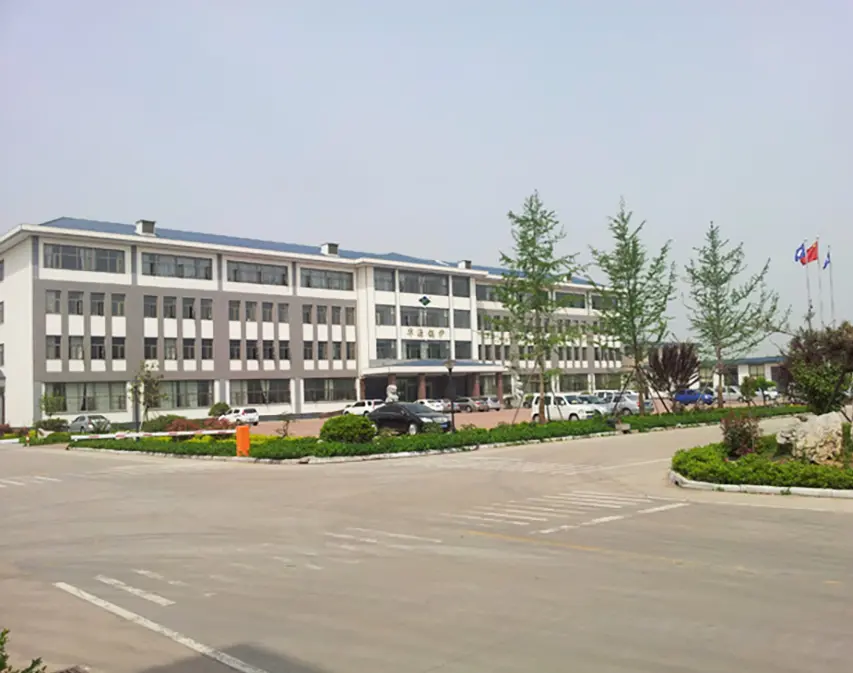
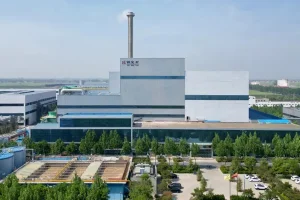
Founded over five decades ago, Huayuan Tech has consistently led the thermal energy and pressure vessel industries. Our production plant spans 209,335 square meters with a fabrication footprint of 98,680 square meters. Backed by 500+ skilled professionals, with our engineering and design teams making up 34% of our workforce, we deliver complete Class-A boiler systems and ASME-certified pressure vessels.
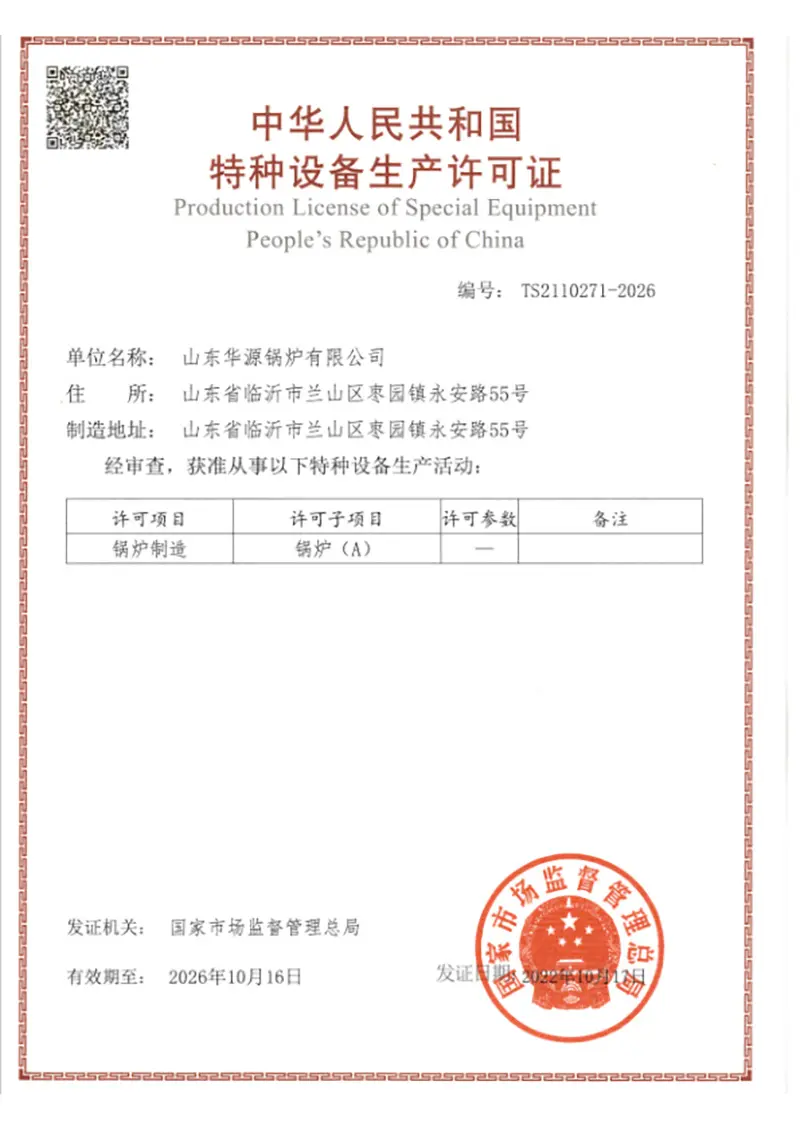
We hold national A-class boiler and A2-class pressure vessel manufacturing licenses, alongside D1D2 pressure vessel design certificates. This deep engineering background allows us to integrate waste heat recovery boilers directly into our continuous pyrolysis loops, maximizing thermal efficiency and reducing emissions for projects in challenging logistical locations like Nepal.
Providing custom, modular system architectures for high-altitude transport and commissioning
Our manufacturing model relies on modern Factory 4.0 principles, combining CNC automation, precision welding, and non-destructive testing (NDT) to ensure each reactor meets strict international standards. Operating a pyrolysis plant in Nepal introduces unique geographical and logistical challenges. Landlocked transport through rugged mountain passes or ports like Kolkata requires equipment built for durability and ease of handling.
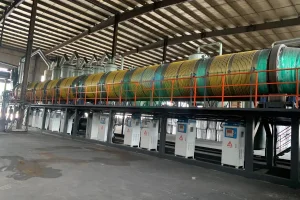
Huayuan Tech designs and ships skid-mounted, modular system units. By pre-wiring and pre-plumbing these modules at our factory, we reduce onsite assembly requirements by up to 60%. These systems can be transported via the China-Nepal highway through Rasuwagadhi/Kerung or shipped directly to Birgunj dry port, ensuring reliable transit schedules and fast installation timelines.
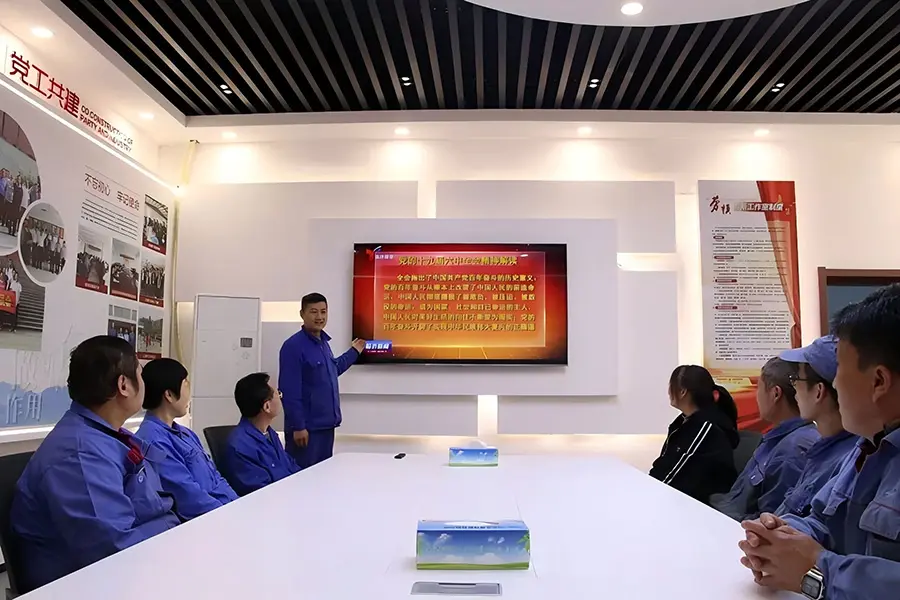
A history of technological breakthroughs in thermal energy recovery and waste recycling equipment
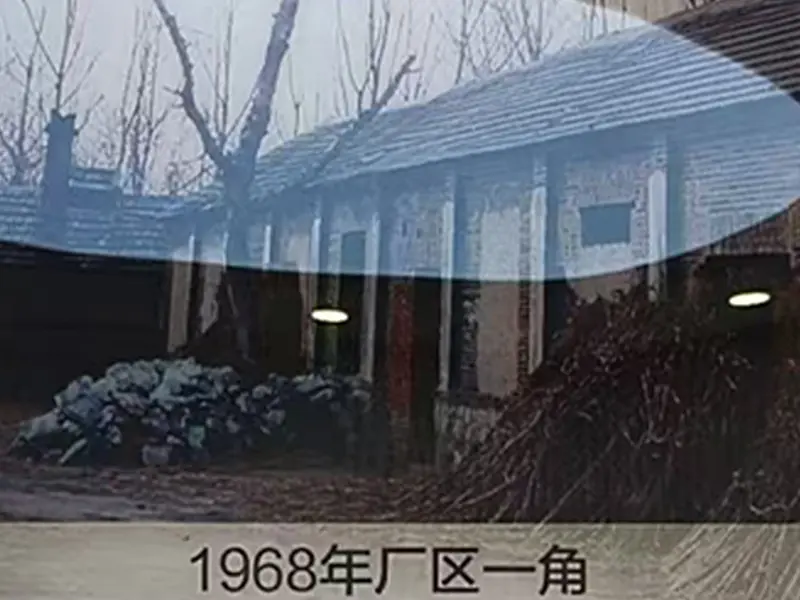
Initially, Huayuan Technology developed boiler technology in several factory workshops, establishing our baseline capabilities in thermal systems engineering.
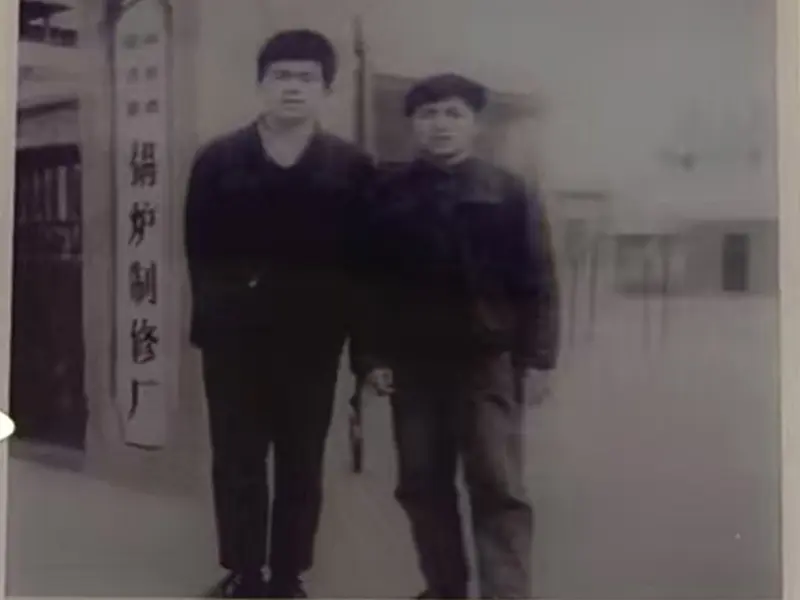
Restructured as Linyi County Boiler Manufacturing and Repair Factory under the jurisdiction of the Linyi County Industrial Bureau, standardizing our commercial production lines.
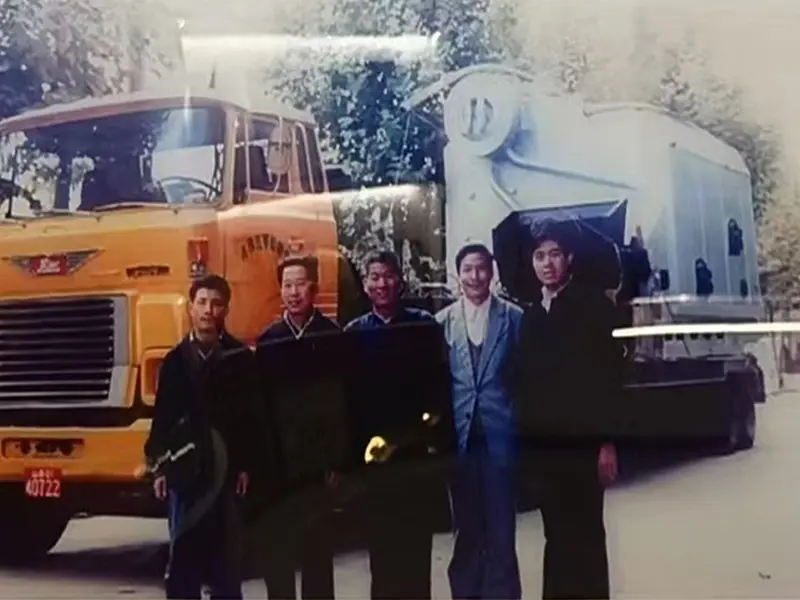
Renamed Linyi Boiler Factory, merged with Linyi Auto Parts Factory, and relocated to 373 Tongda Road to expand industrial capacity.
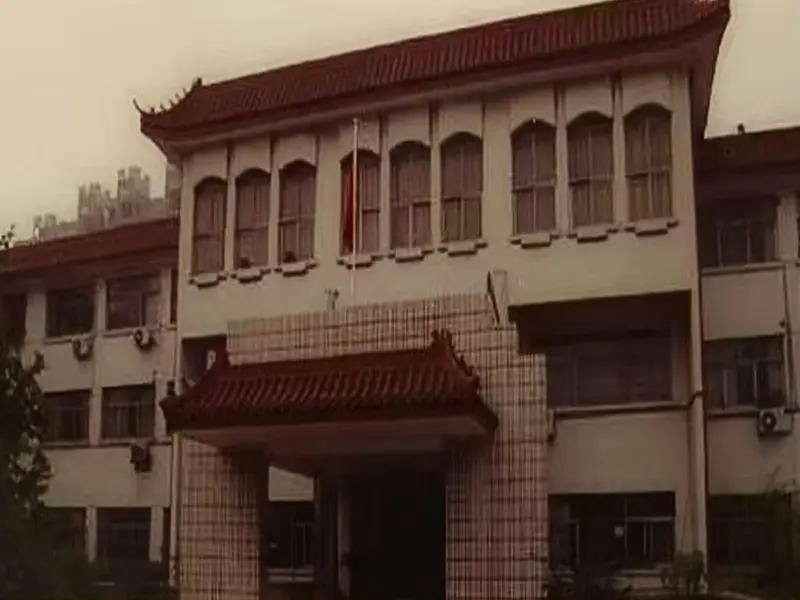
Successfully restructured into Linyi Boiler Co., Ltd., adopting modern corporate governance practices.
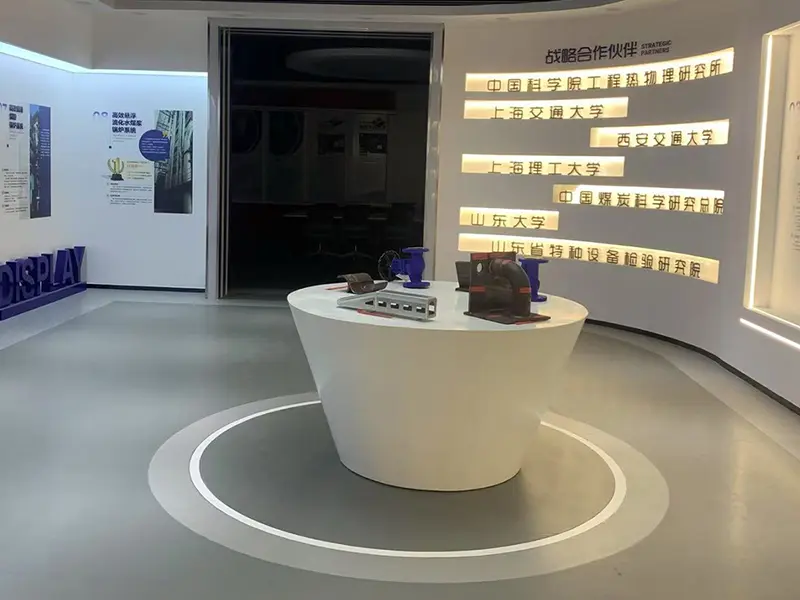
This phase of restructuring accelerated company growth, helping build global manufacturing processes.
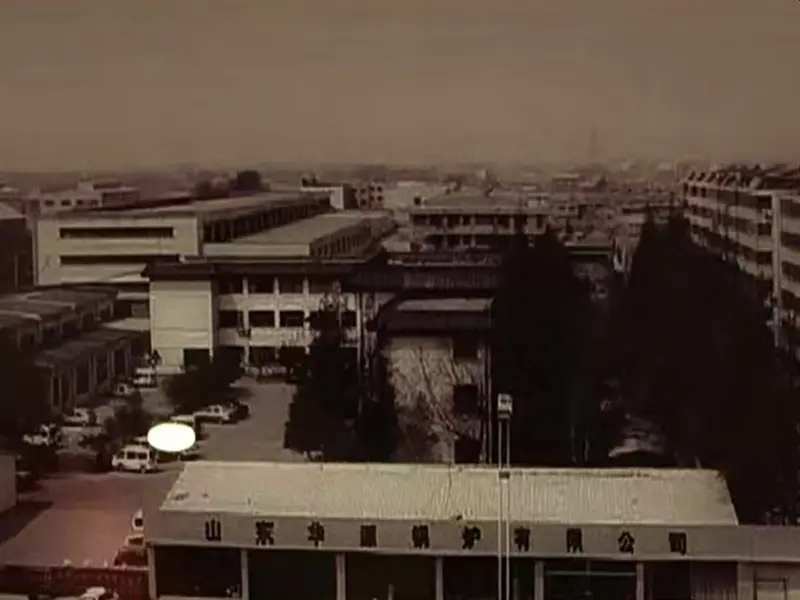
Obtained the national A-level boiler manufacturing license and ISO triple system certification. Launched our first batch model waste tire pyrolysis plants.
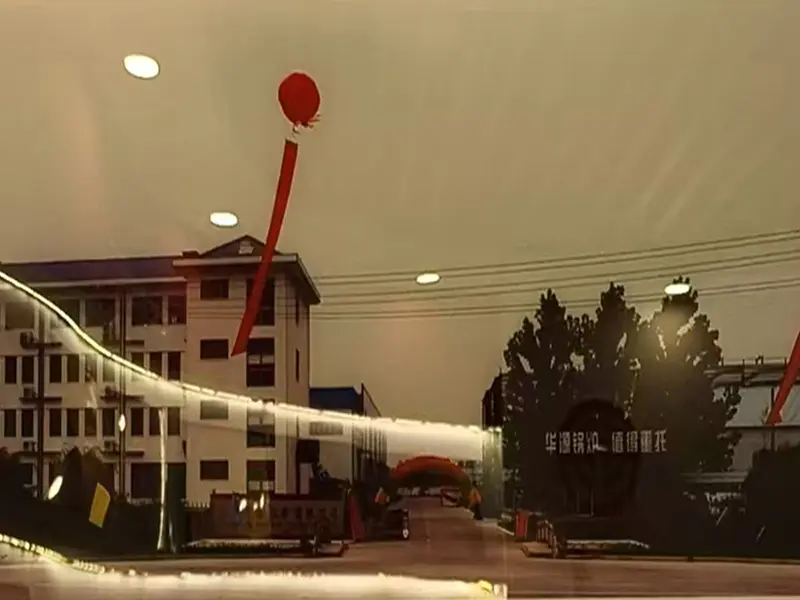
Relocated to our new facility in Zaoyuan Town Industrial Park (spanning 220 acres). Began development on continuous model pyrolysis equipment.
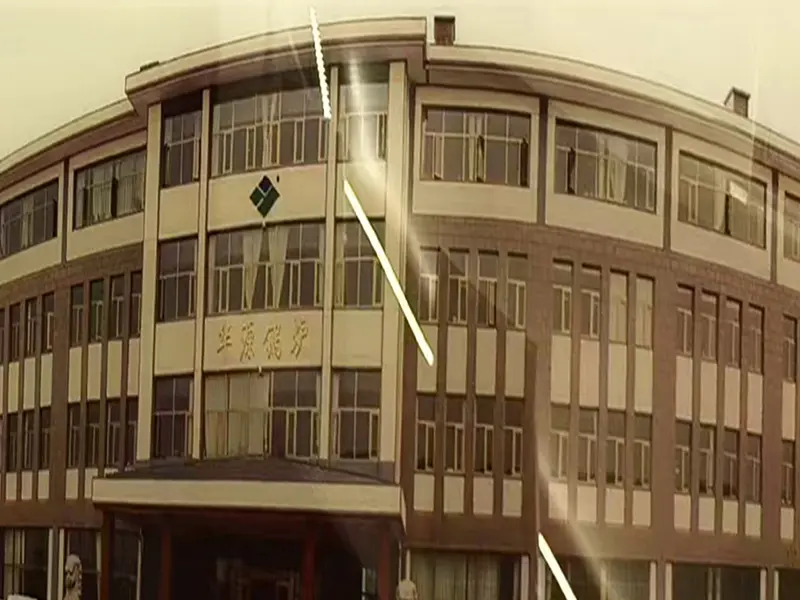
Launched our screw-drive continuous pyrolysis system. Secured high-tech enterprise status, ASME certification, and expanded the Huayuan brand globally.
Engineered to international quality and environmental standards
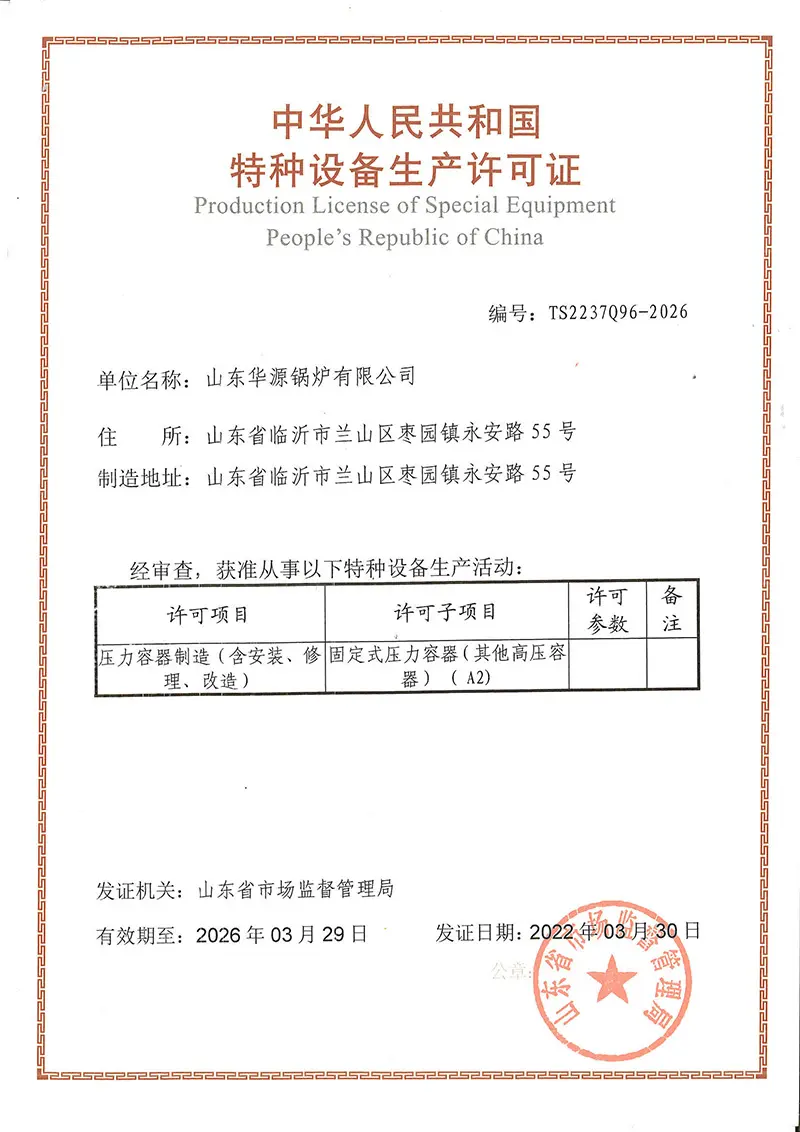
Meets safety standards for high-temperature and high-pressure chemical systems.
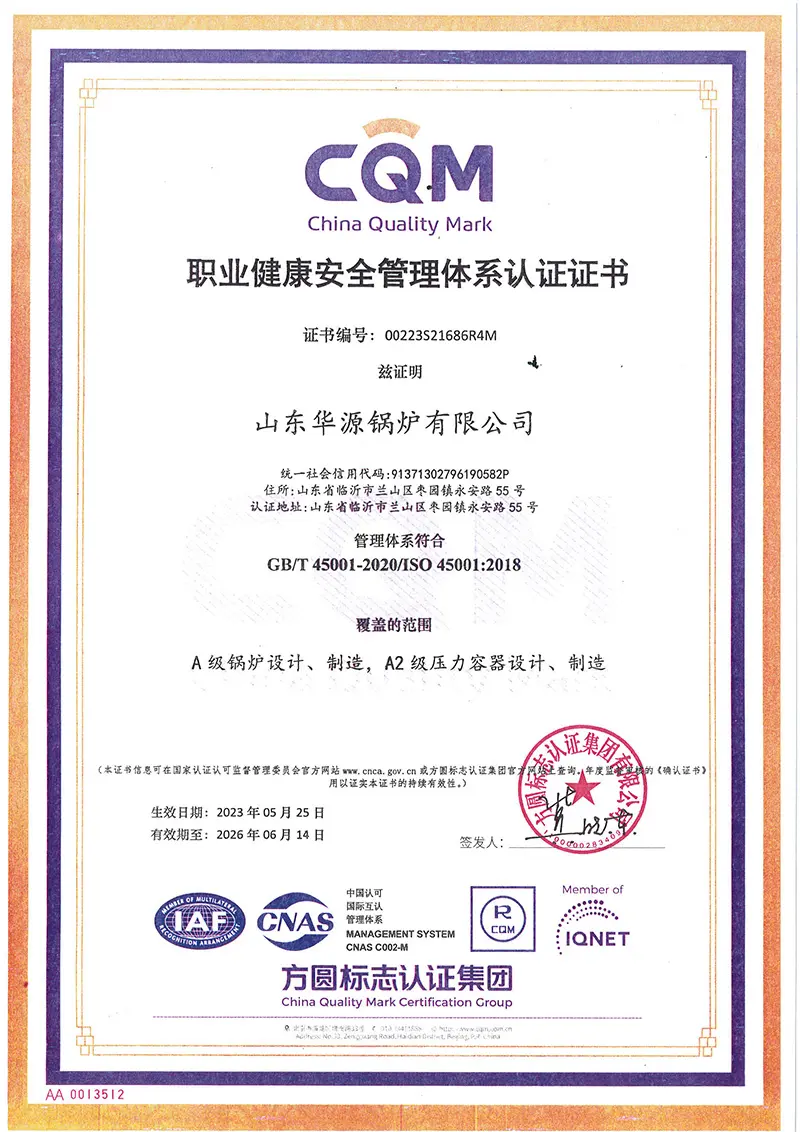
Ensures consistent quality control, environmental compliance, and worker safety management.
Authorizes the fabrication of premium waste heat recovery networks and boiler boilers.
Direct answers regarding ROI, raw material parameters, plant emissions, and setup logistics
Complete plants, heating systems, and waste heat recovery systems configured for Nepal's regional markets
 Huayuan