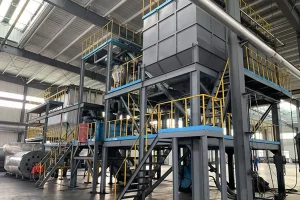
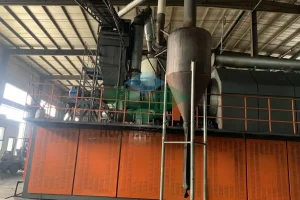
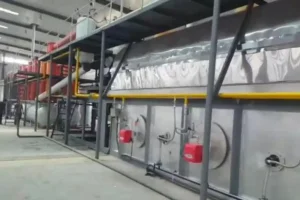
Selected industrial-grade modular systems configured specifically for high thermal yield and strict emission standards within the Australian Capital Territory.
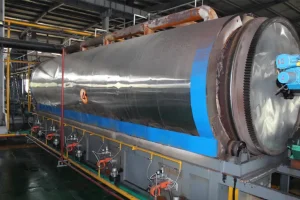
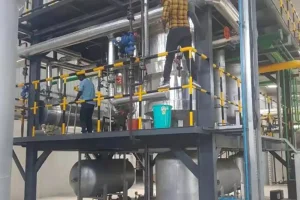
The Australian Capital Territory (ACT) is committed to achieving net-zero emissions by 2045 and fostering a fully closed-loop circular economy. As landfill capacity shrinks and regional environmental regulations tighten, the Canberra market faces a critical challenge: processing thousands of tons of municipal solid waste (MSW), industrial plastics, and end-of-life vehicle tires locally. Traditional disposal methods are no longer viable under Australia’s National Waste Policy.
To address this challenge, the Semi-continuous Model Pyrolysis Plant (Drum Running Model) offers an advanced chemical recycling pathway. By subjecting hydrocarbon waste polymers to controlled, oxygen-free thermal degradation, this system converts municipal and industrial waste streams into high-energy pyrolysis oil, combustible synthesis gas, and high-purity recovered carbon black (rCB).
Within chemical recycling, choosing the right reactor design is critical for achieving steady heat transfer and consistent output. The semi-continuous drum running model bridges the gap between low-throughput batch systems and capital-intensive fully continuous plants.
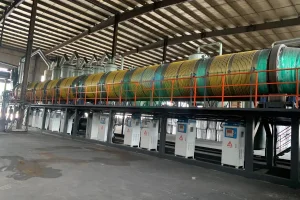
At its core, this technology uses a horizontal rotary drum reactor supported by high-load rollers. As the drum rotates, the internal flight design gently agitates the feedstock, ensuring uniform heat distribution. This design avoids the hot spots and thermal gradients common in static reactors, preventing local charring and maximizing oil yield. The semi-continuous setup enables feeding and de-charing at elevated operating temperatures, reducing thermal stress, shortening cycle times, and decreasing fuel consumption.
Technical advantages include:
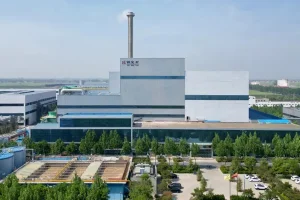
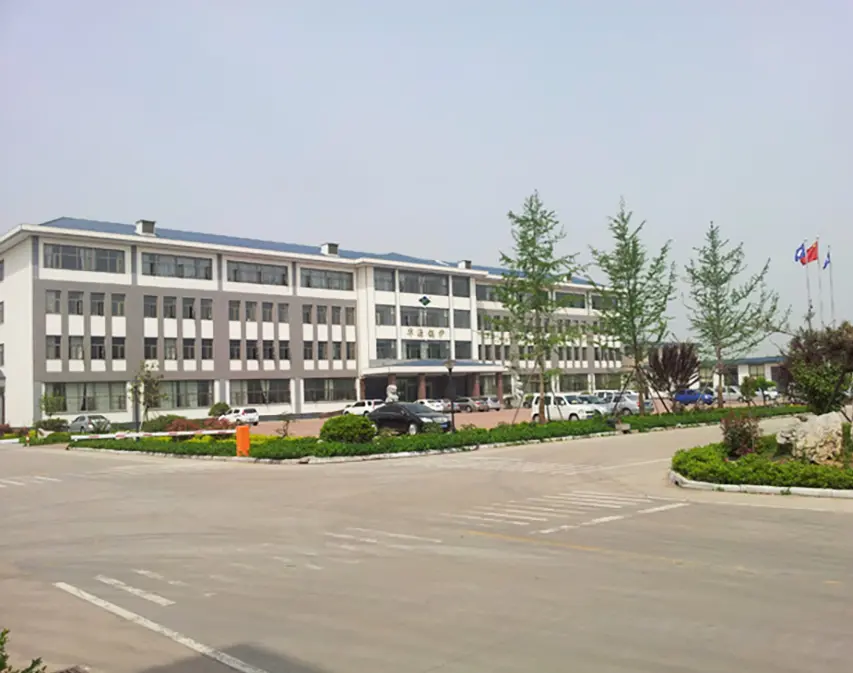
Originally established in 1968, Huayuan Tech has evolved from a specialized boiler manufacturing factory into a global provider of waste-to-energy and pyrolysis systems.
A history of engineering milestones, from specialized boiler design to advanced chemical recycling plants.
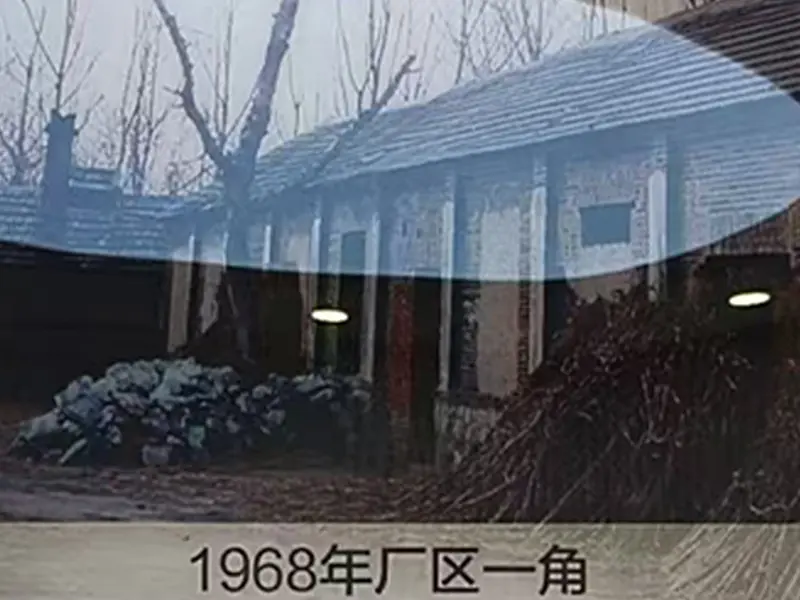
Huayuan Technology developed initial boiler technology in several specialized workshops.
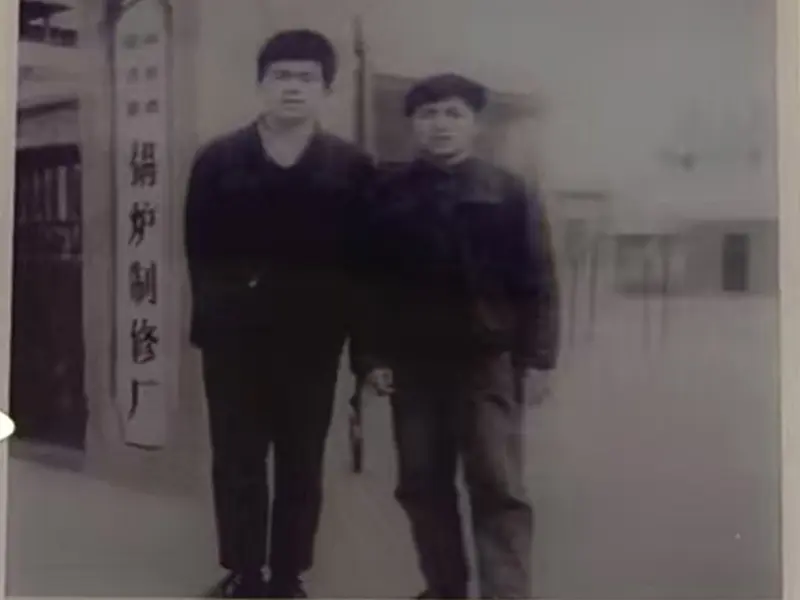
Restructured as Linyi County Boiler Manufacturing and Repair Factory, under the Linyi County Industrial Bureau.
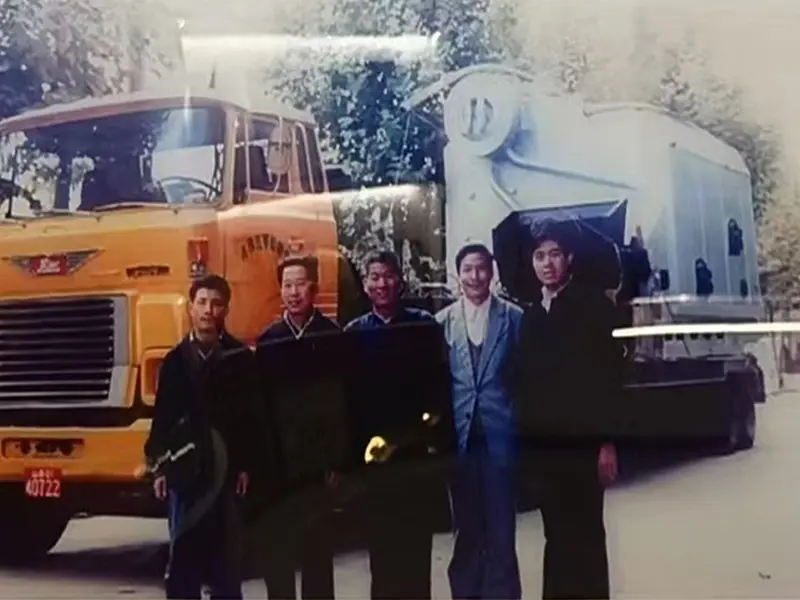
Renamed Linyi Boiler Factory, merged with Linyi Auto Parts Factory, and relocated to 373 Tongda Road.
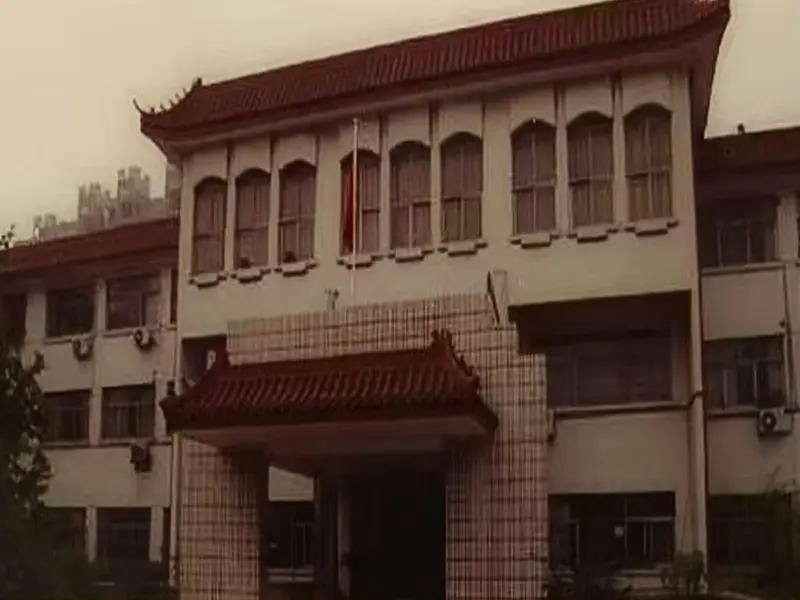
Restructured into Linyi Boiler Co., Ltd., transitioning to a modern corporate governance structure.
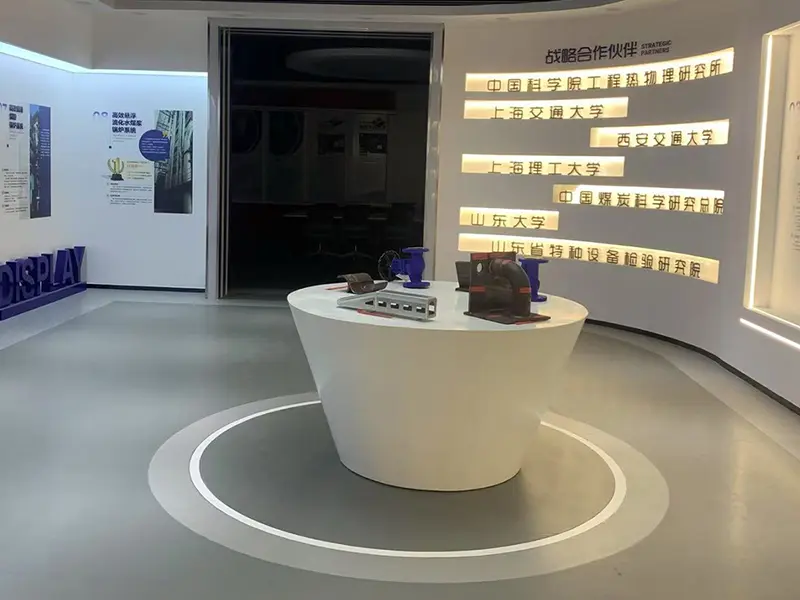
Completed corporate restructuring, expanding R&D capacity and commercial reach.
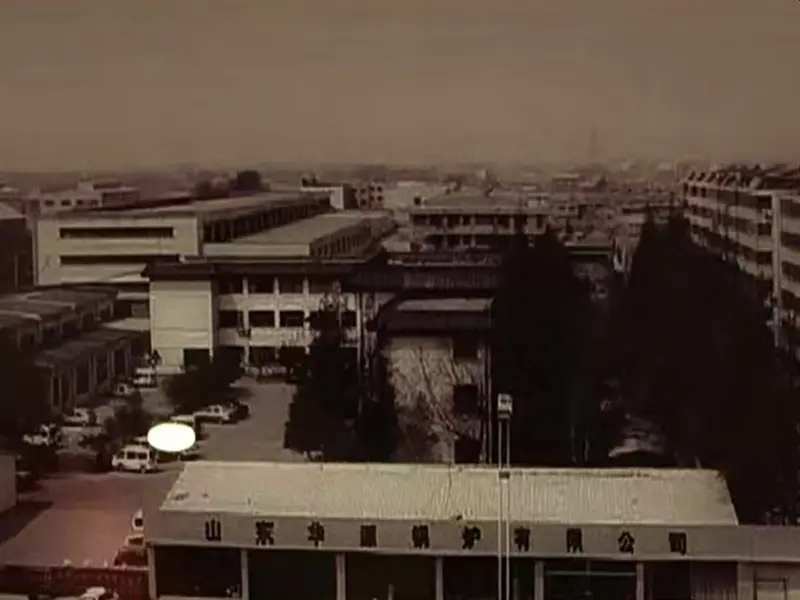
Obtained national A-level boiler manufacturing license and ISO triple certifications. Initiated production of batch waste tire pyrolysis systems.
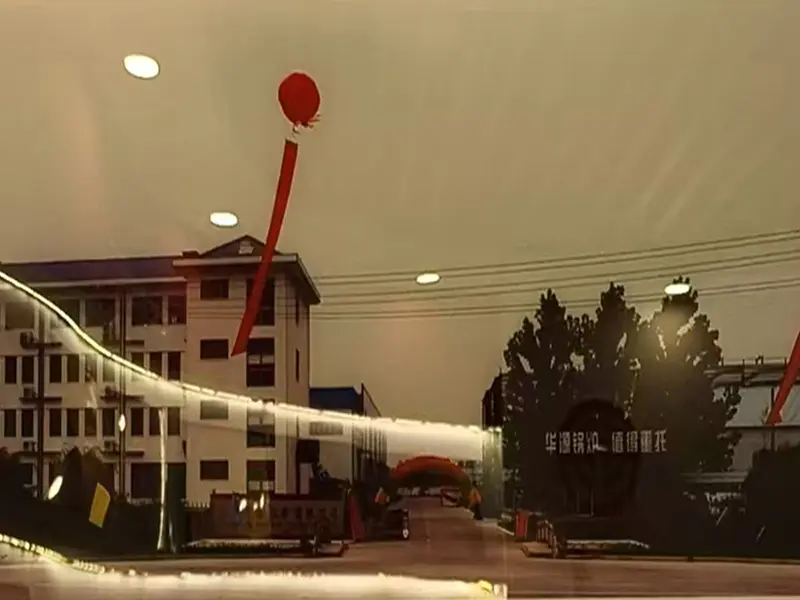
Relocated to a 220-acre facility in Zaoyuan Town Industrial Park. Initiated development of continuous model pyrolysis systems.
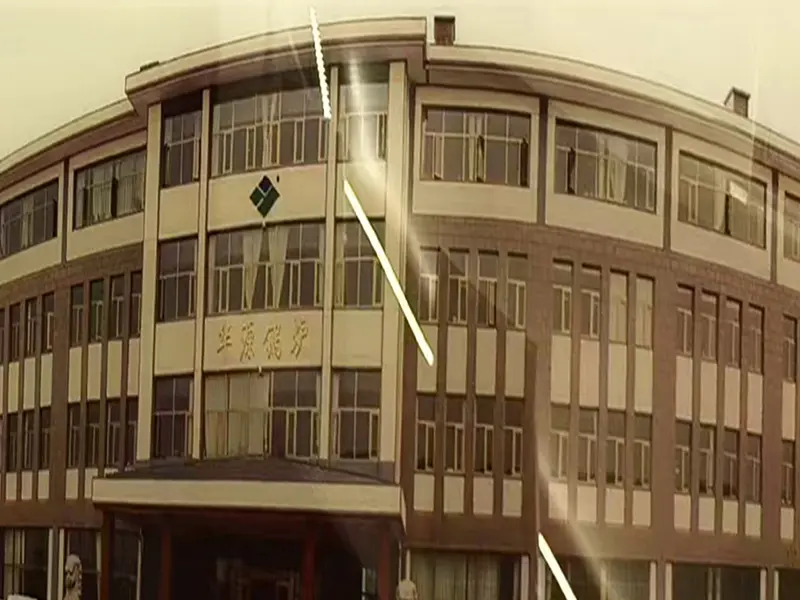
Launched the continuous screw running pyrolysis plant. Obtained high-tech enterprise status and US ASME certification.
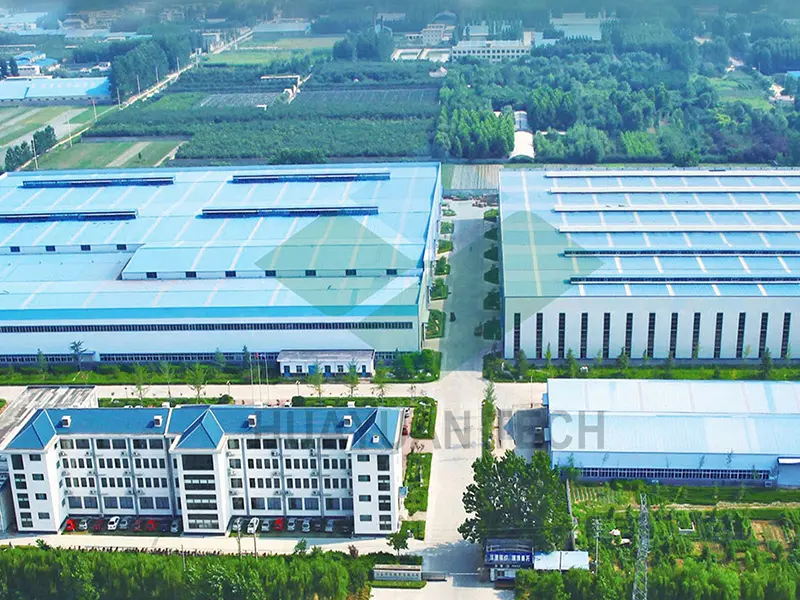
Expanded waste-to-energy and pyrolysis capabilities to support clean energy initiatives and emission reductions.
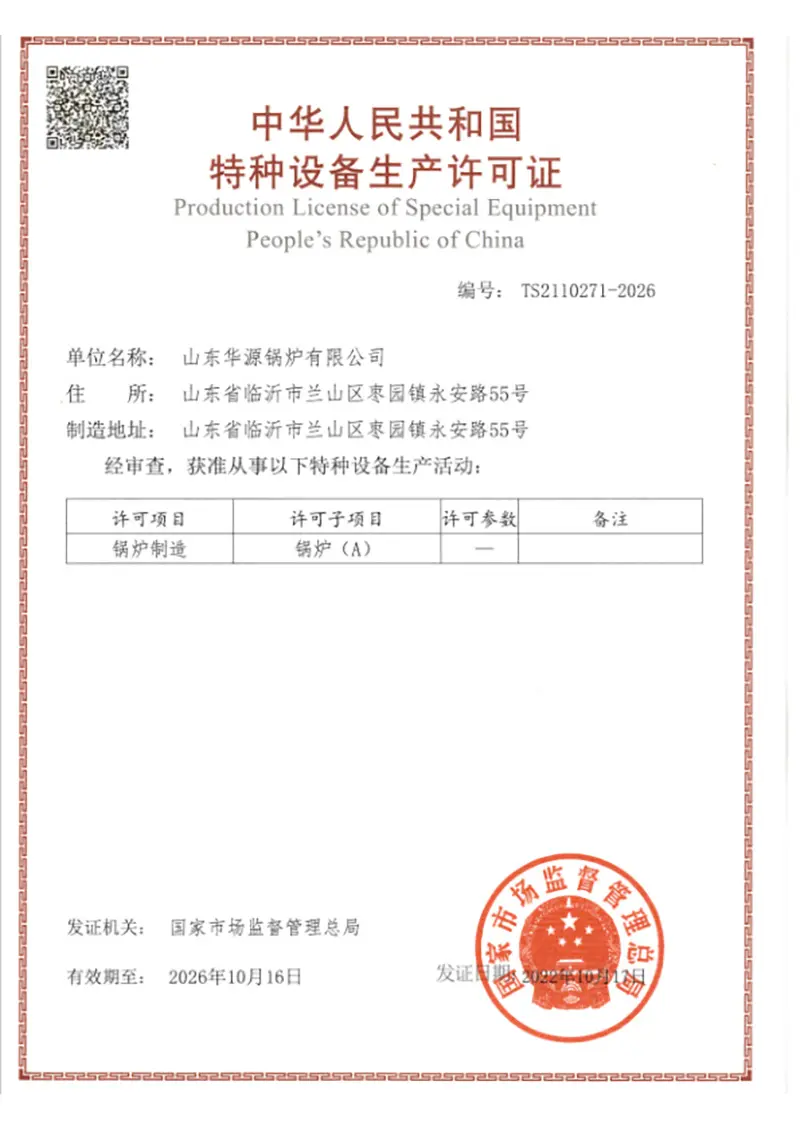
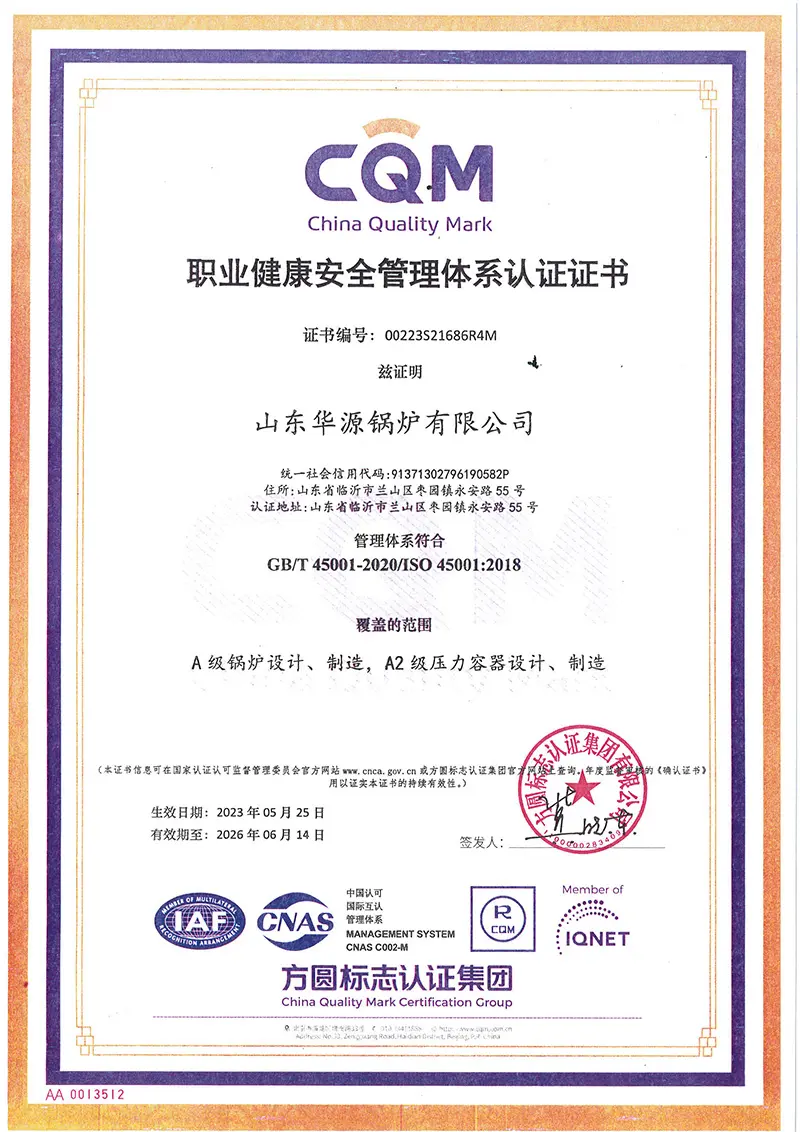
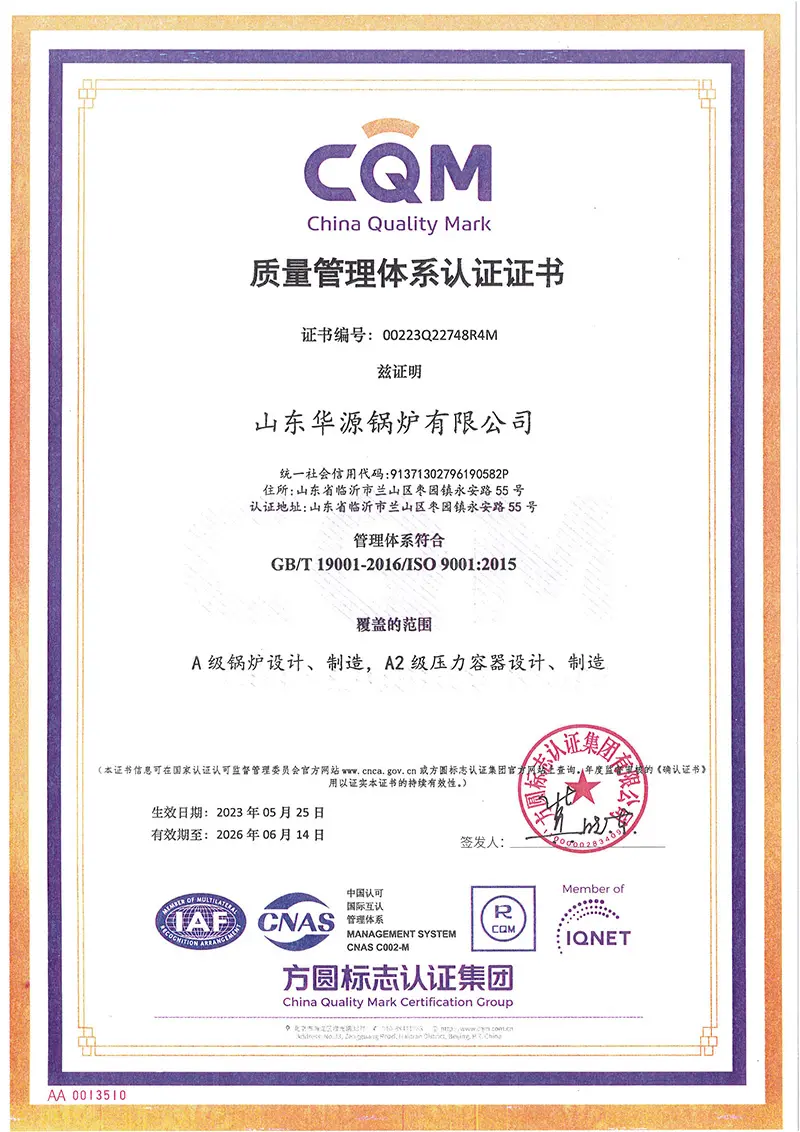
Huayuan Tech holds a national Class-A boiler license, Class-A2 pressure vessel manufacturing license, and D1D2 pressure vessel design certificate. These credentials ensure compliance with strict pressure piping regulations. In addition to ISO9001, ISO14001, and OHSAS18001 certifications, our systems are certified under the United States ASME scheme, meeting international quality and safety requirements.
For the Canberra market, complying with environmental protection regulations (such as EPA ACT requirements) is critical. Our plants feature multi-stage dry and wet scrubbing, activated carbon adsorption, and optional catalytic thermal oxidation to control emissions. This ensures compliance with local air quality and industrial discharge standards.
Consult with our engineering team to design a plant tailored to the ACT regulatory framework.
Speak with our Engineers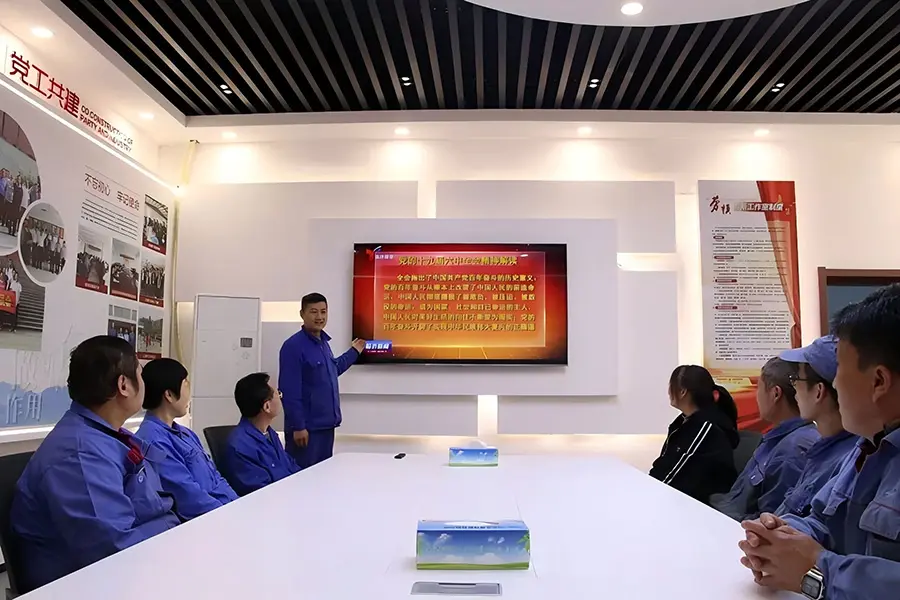
Our manufacturing facility and technology are audited and certified by leading global classification societies and standards bodies.
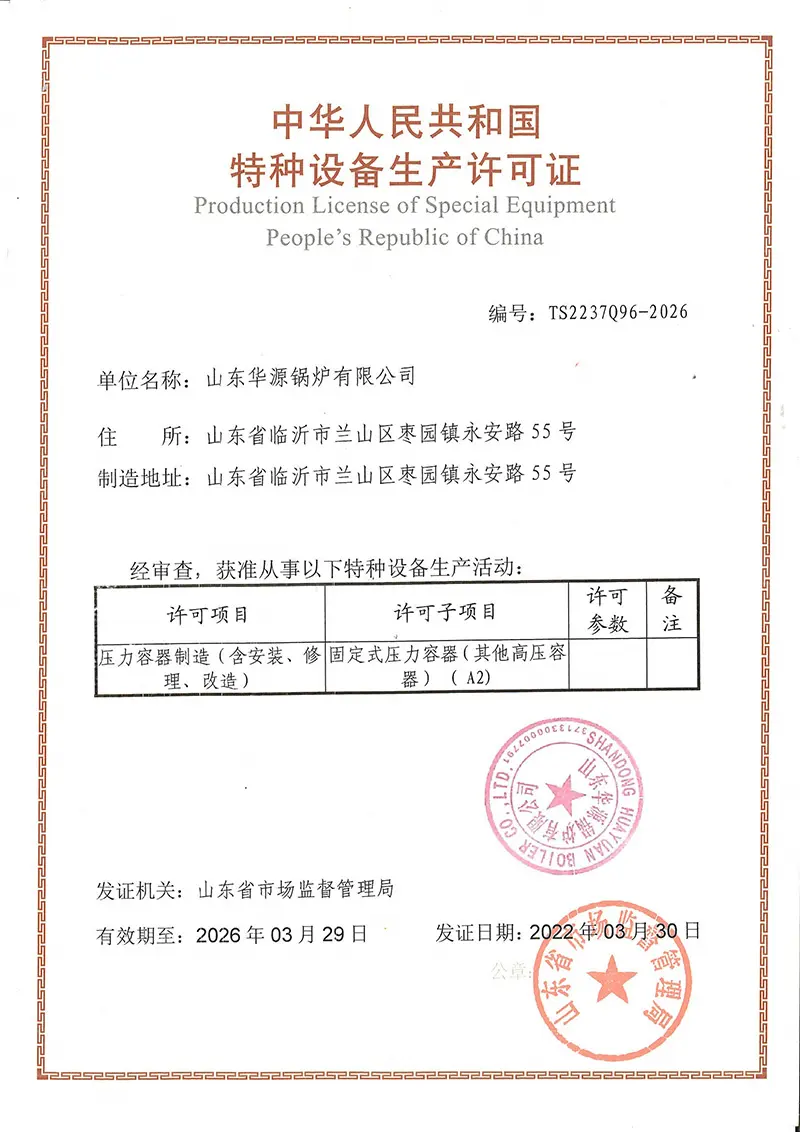
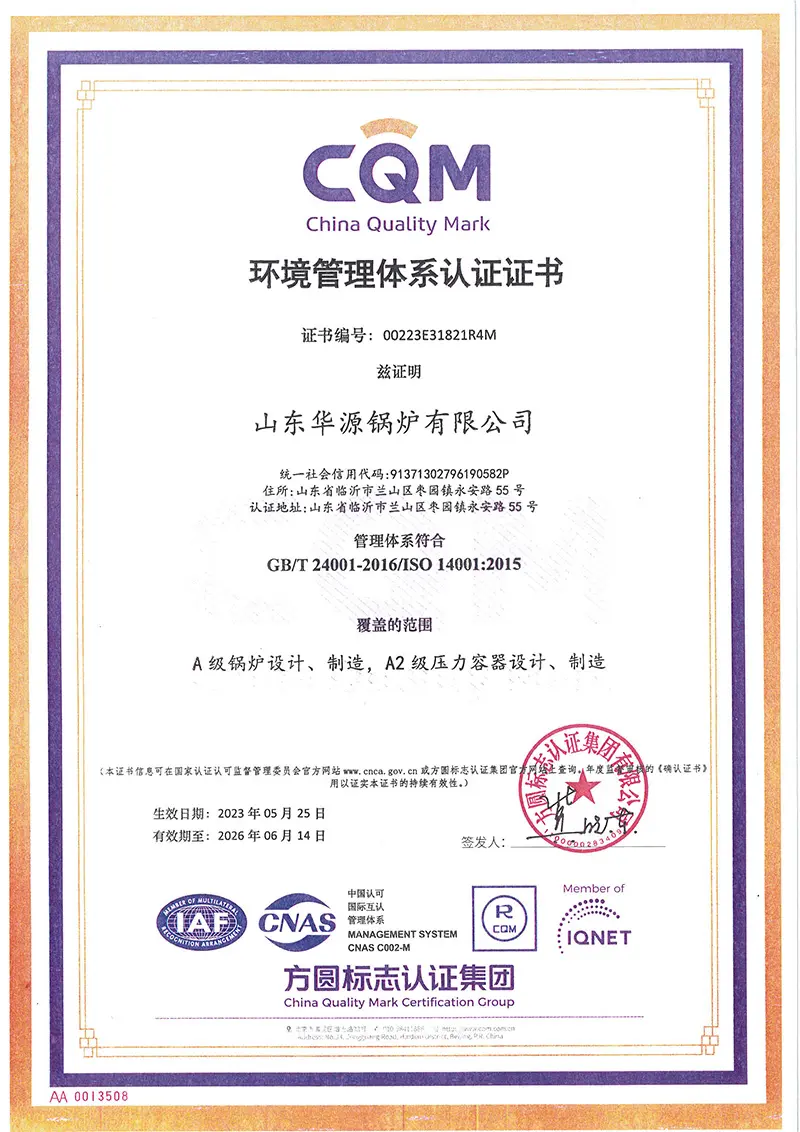
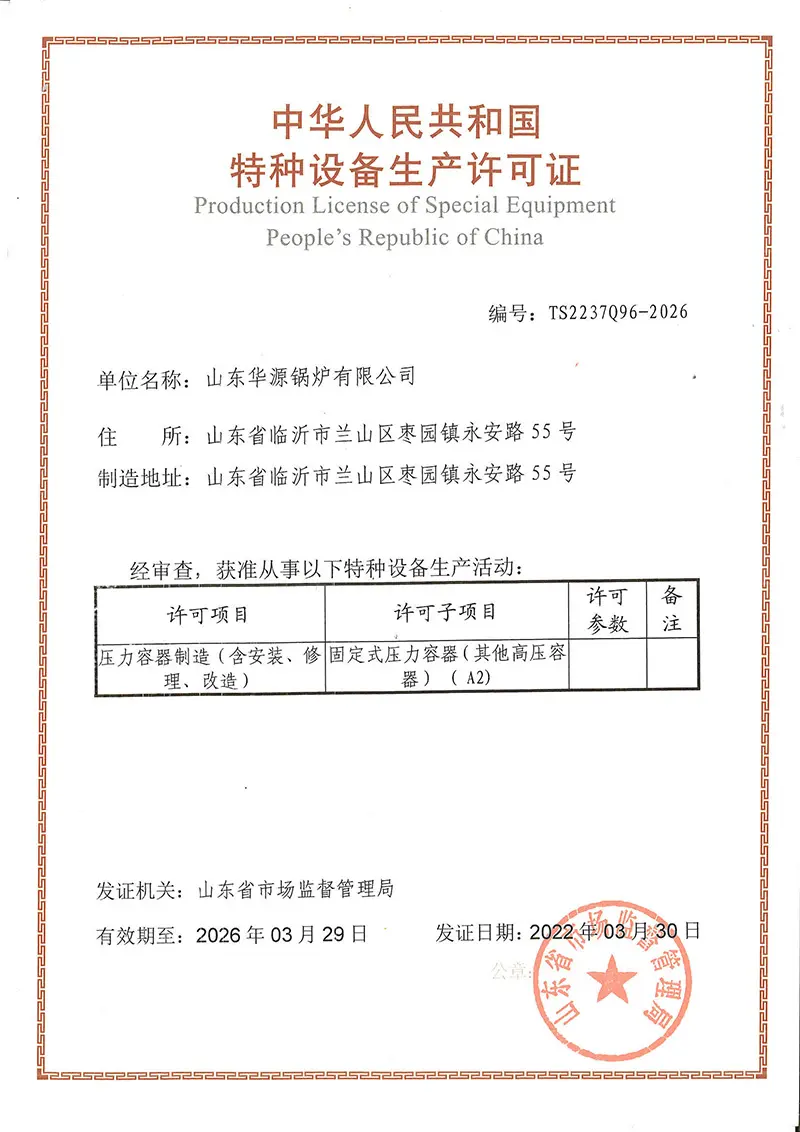
Deploying thermal processing solutions to turn municipal waste streams into valuable industrial resources.
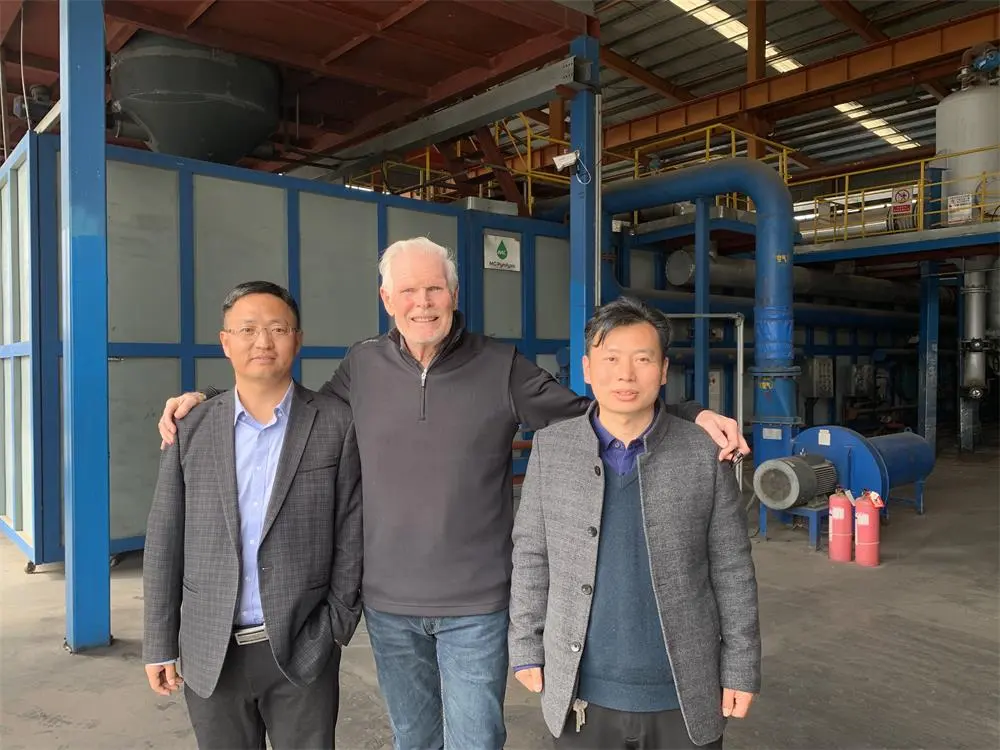
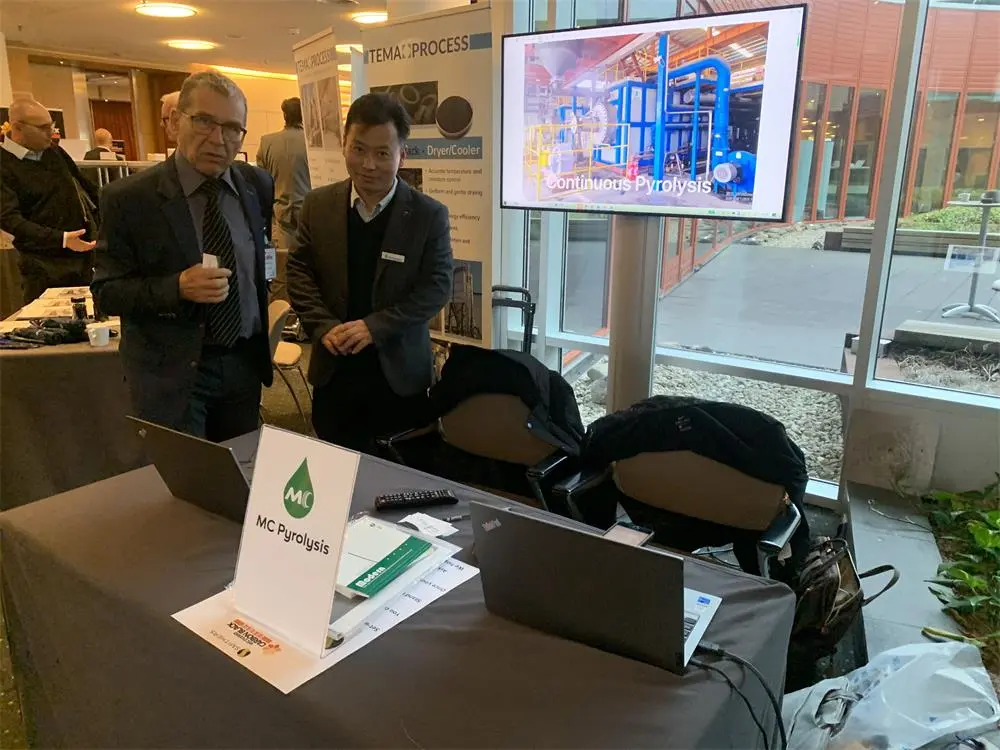
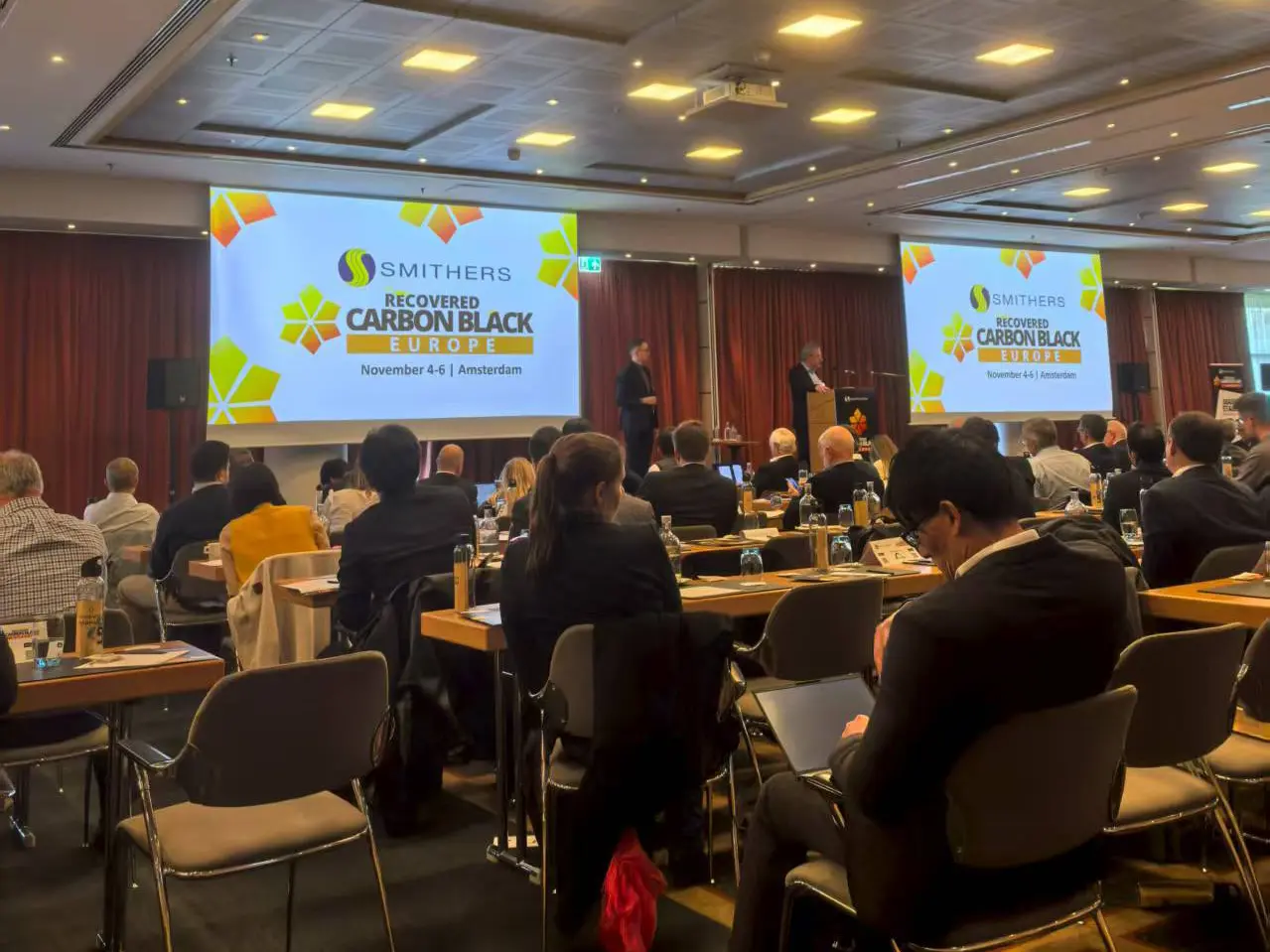
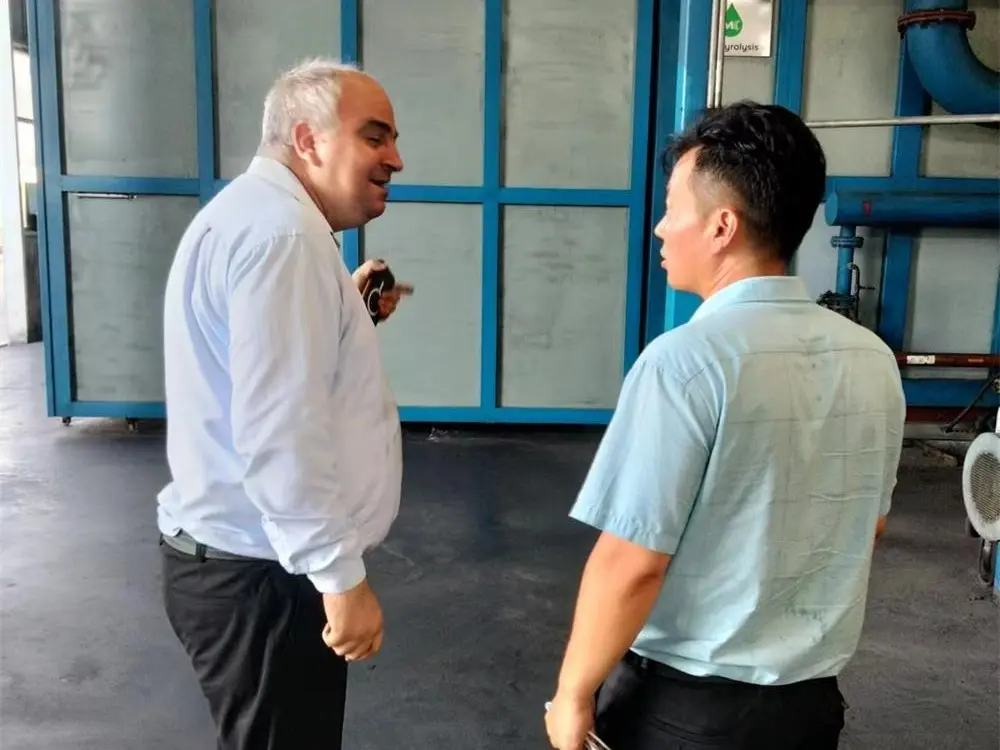
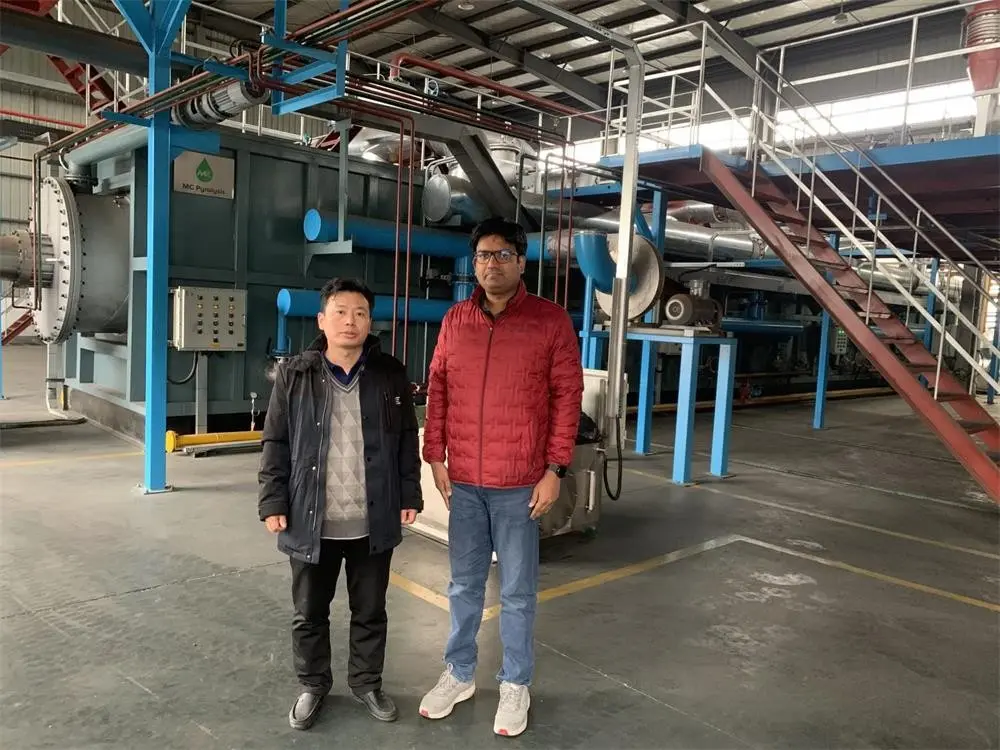
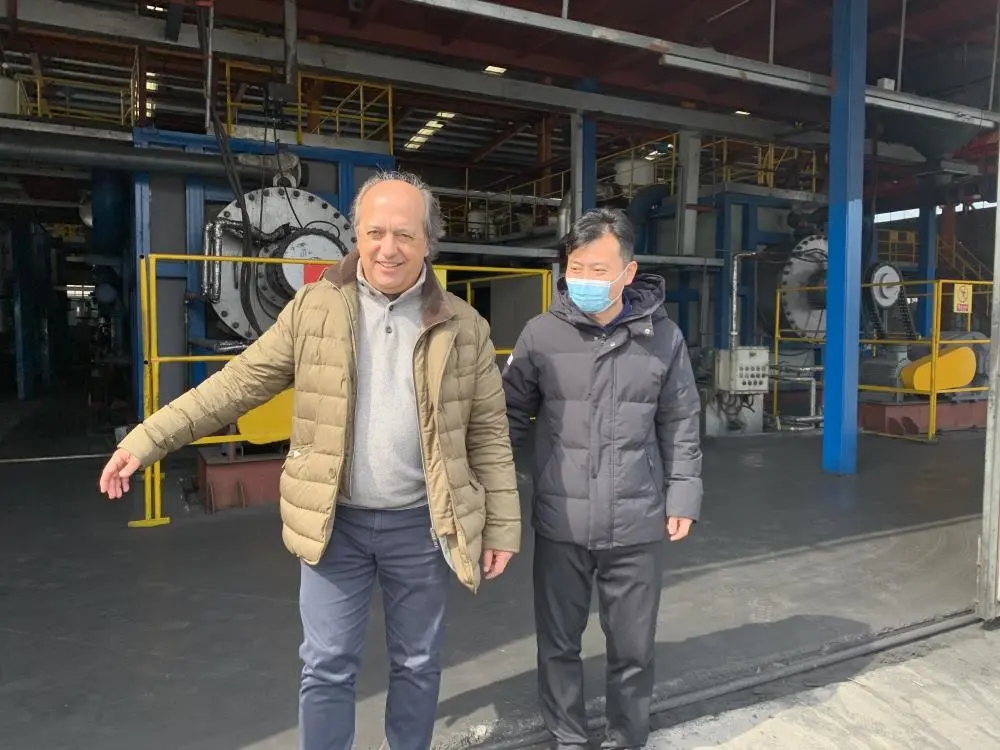
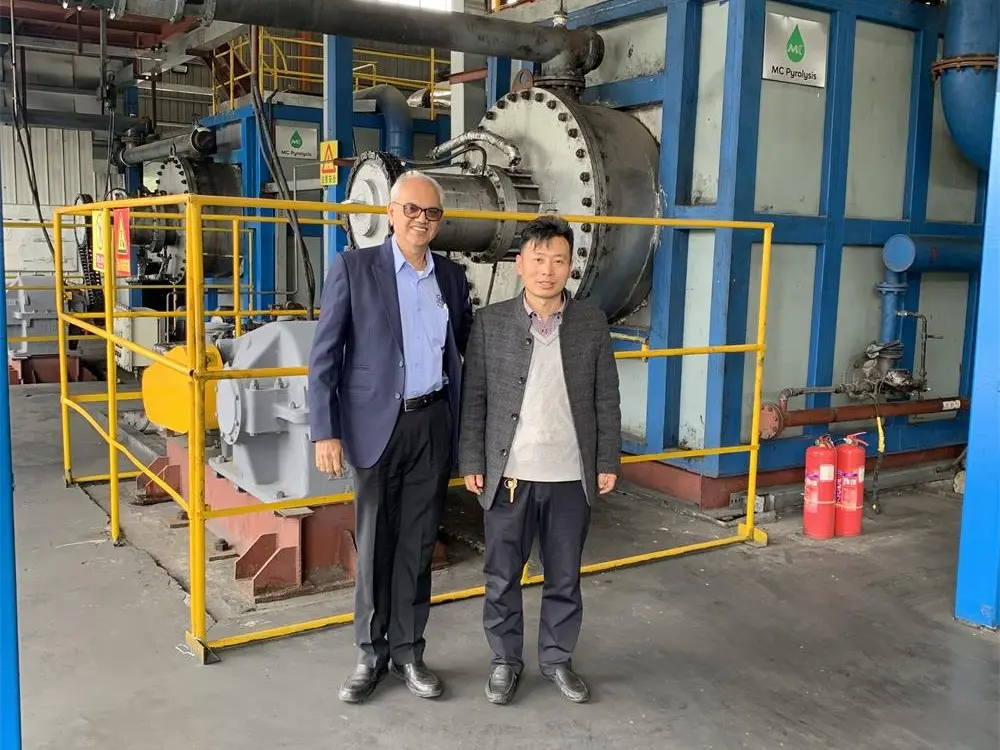
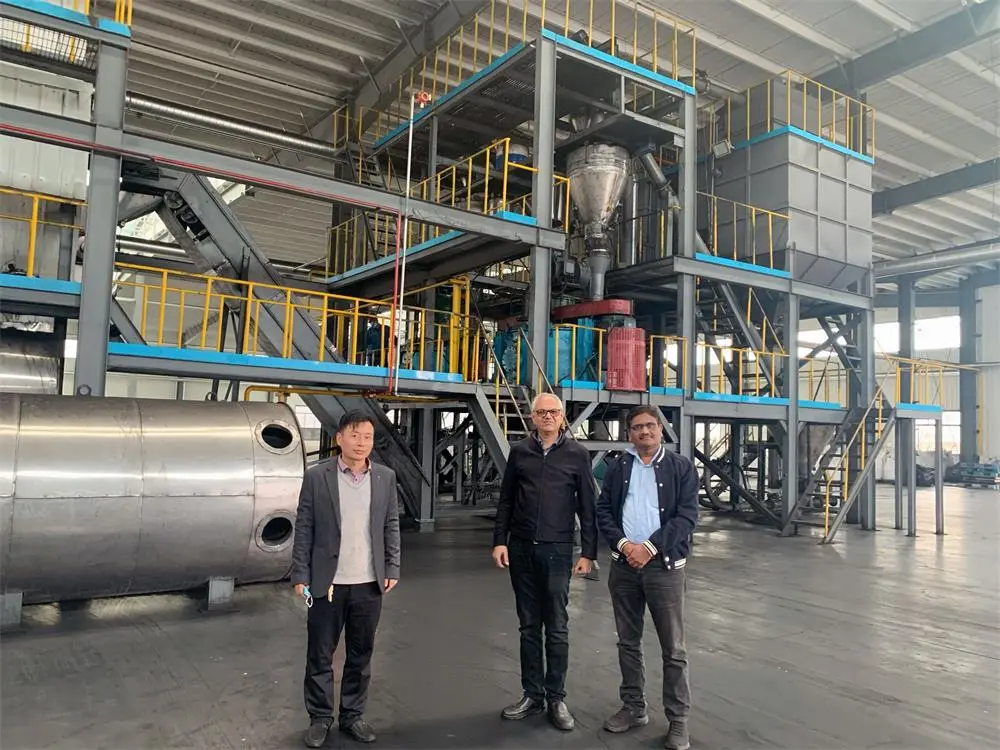
As the Canberra region moves away from fossil-fuel-intensive production, industrial parks like Fyshwick and Hume are shifting toward circular manufacturing models. Modern pyrolysis facilities can integrate directly into these systems. The oil produced can serve as a direct replacement for heating oil in industrial processes or be refined into diesel-like transport fuel. Additionally, recovered carbon black can be used as a reinforcing agent in rubber manufacturing or as a modifier in asphalt for regional road infrastructure.
Our future engineering roadmap focuses on three main developments:
Explore our complete range of waste processing systems, auxiliary plant designs, and recovery boilers designed to maximize resource recovery.
Addressing the technical, operational, and regulatory considerations for setting up a drum running pyrolysis plant in Australia.
Contact our senior engineering and environmental compliance consultants for custom layouts, throughput calculations, and detailed technical proposals.
Send Inquiry Now Huayuan