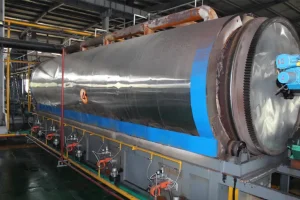
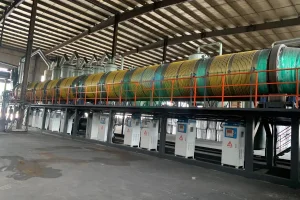
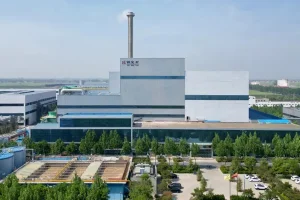
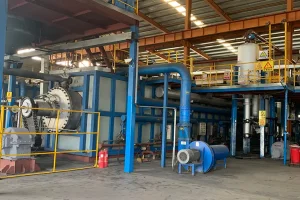
Uganda is currently experiencing a rapid industrial transformation under the "Uganda Vision 2040" framework. With cities like Kampala, Mbarara, and Jinja facing escalating challenges in municipal solid waste (MSW) and scrap tire management, the demand for Semi-continuous Model Pyrolysis Plants has surged. Unlike traditional disposal methods that pollute the Lake Victoria basin, drum-running pyrolysis offers a closed-loop system that converts hazardous waste into high-value fuel oil, carbon black, and combustible gas.
The local Ugandan market is particularly suited for the "Drum Running Model" due to its mechanical robustness and ability to handle diverse feedstocks including waste tires from logistics hubs and plastic scrap from the manufacturing sectors in Namanve Industrial Park.
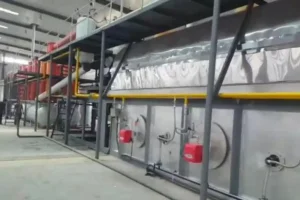
Optimized for Ugandan climate conditions and power grid stability, featuring dual heating options (Oil/Gas/Electric).
360-degree rotation ensures uniform heating, preventing material coking and maximizing oil yield by up to 45%.
Focusing on waste-to-energy and waste tire pyrolysis technology, Huayuan Tech was founded in 1968. With over five decades of engineering excellence, our company covers an area of 209,335 square meters with a plant area of 98,680 square meters.
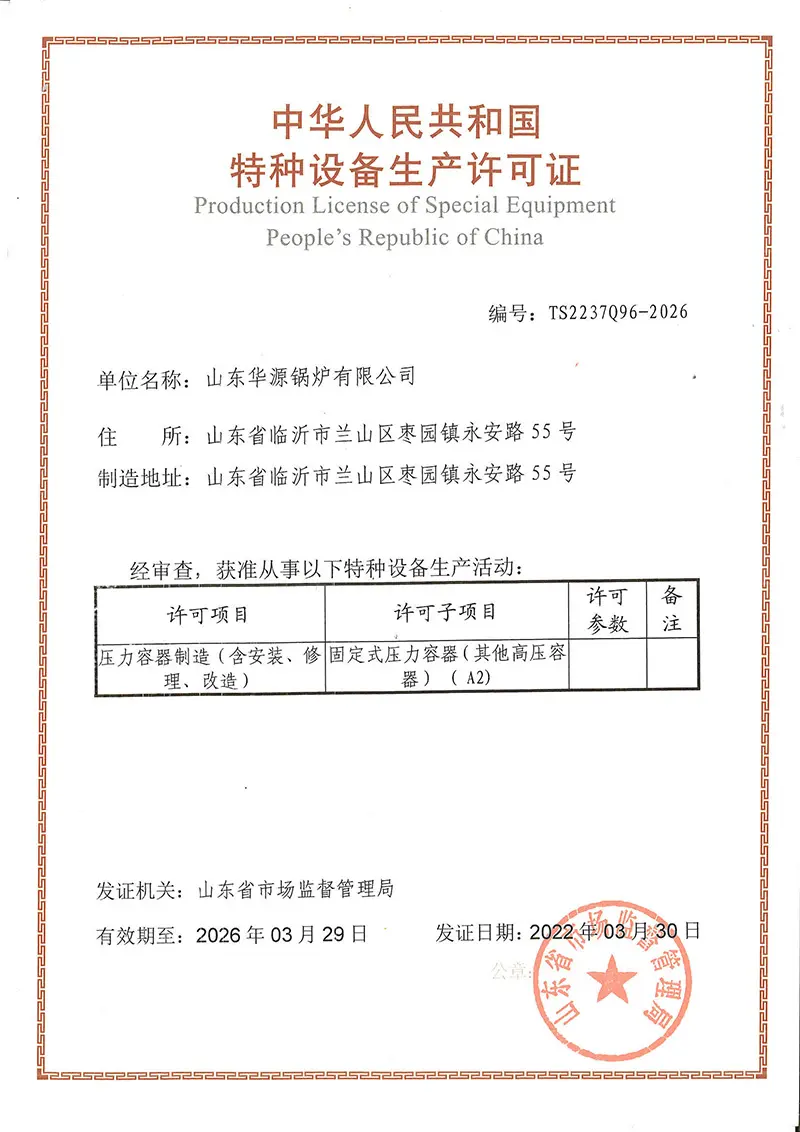
Our workforce of more than 500 employees includes a high ratio of engineering personnel (34%), ensuring every semi-continuous pyrolysis plant meets rigorous global standards. We hold A-class boiler and pressure vessel manufacturing licenses, along with ISO9001, ISO14001, OHSAS18001, and American ASME certifications.
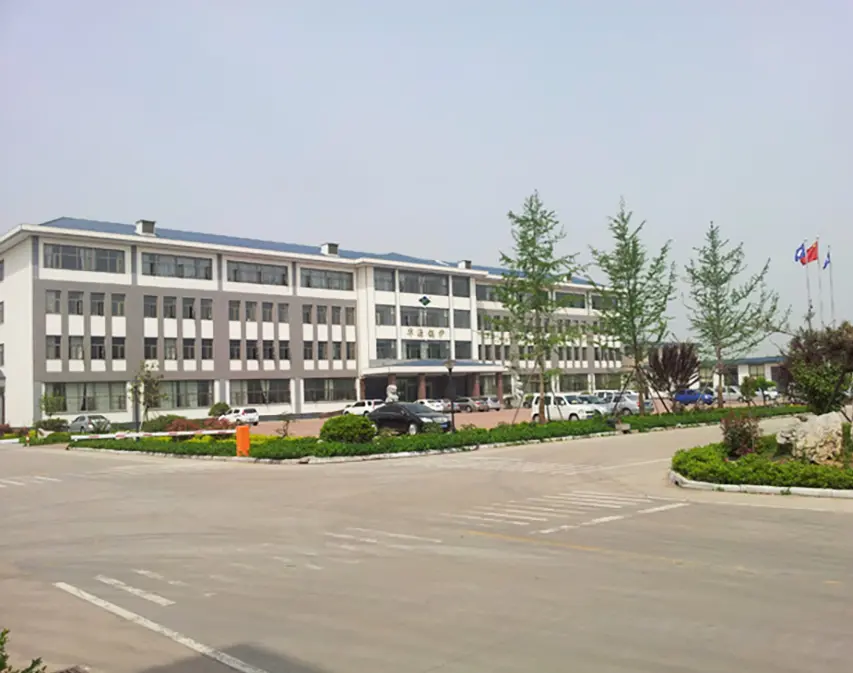
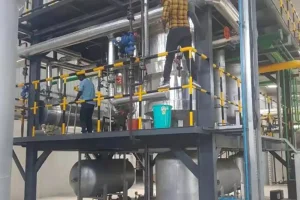
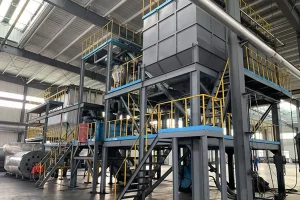
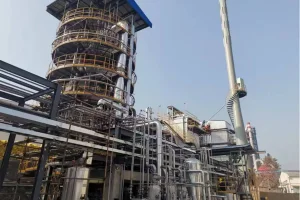
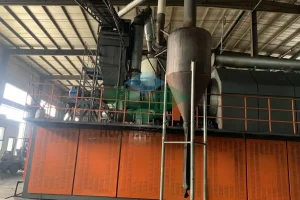
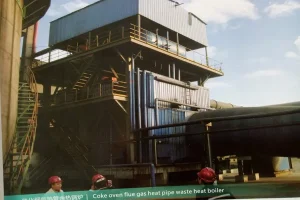
Global operations demonstrating the efficiency of our Drum Running Model
Modern semi-continuous plants utilize waste gas recycling (Syn-gas) to provide 70% of the heating energy required for the pyrolysis process, drastically reducing operational costs in high-fuel markets like Uganda.
The transition from raw carbon black to N-series pellets is the new trend. Our plants now offer integrated refining to serve the Ugandan rubber and pigment industries.
Remote diagnostics and PLC automated control systems allow Ugandan operators to manage temperature gradients with precision, ensuring safety and consistency.
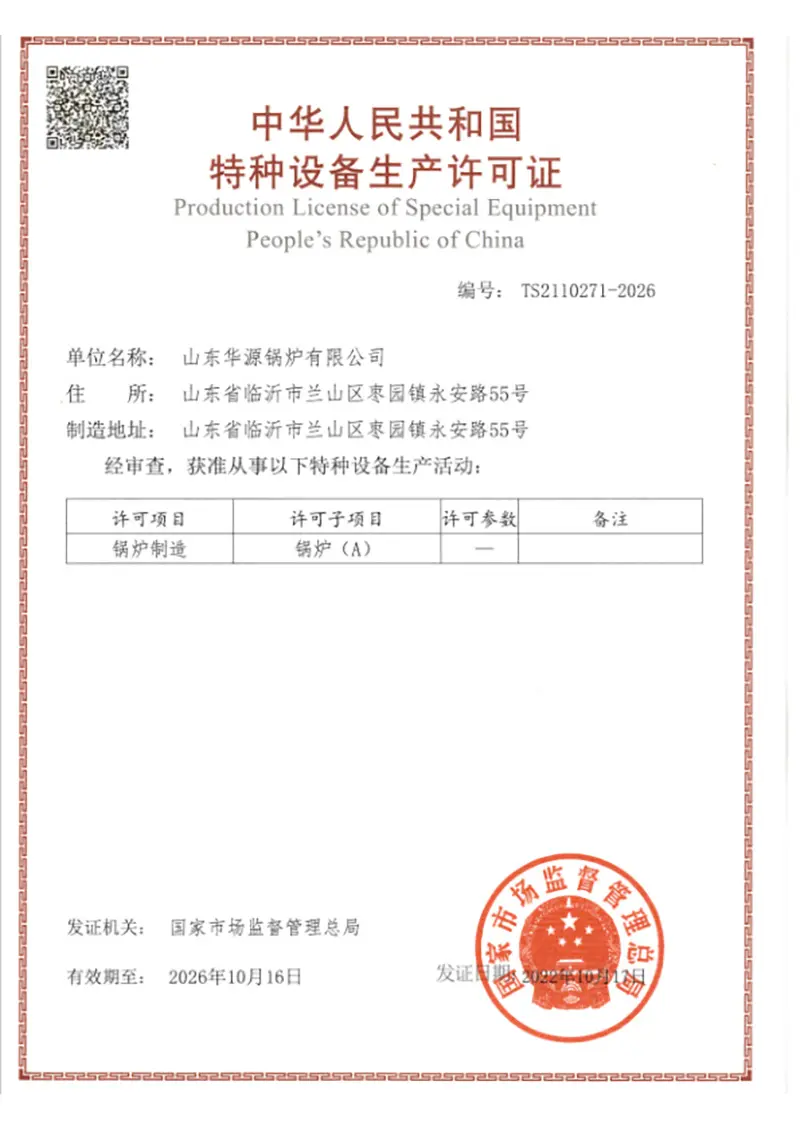
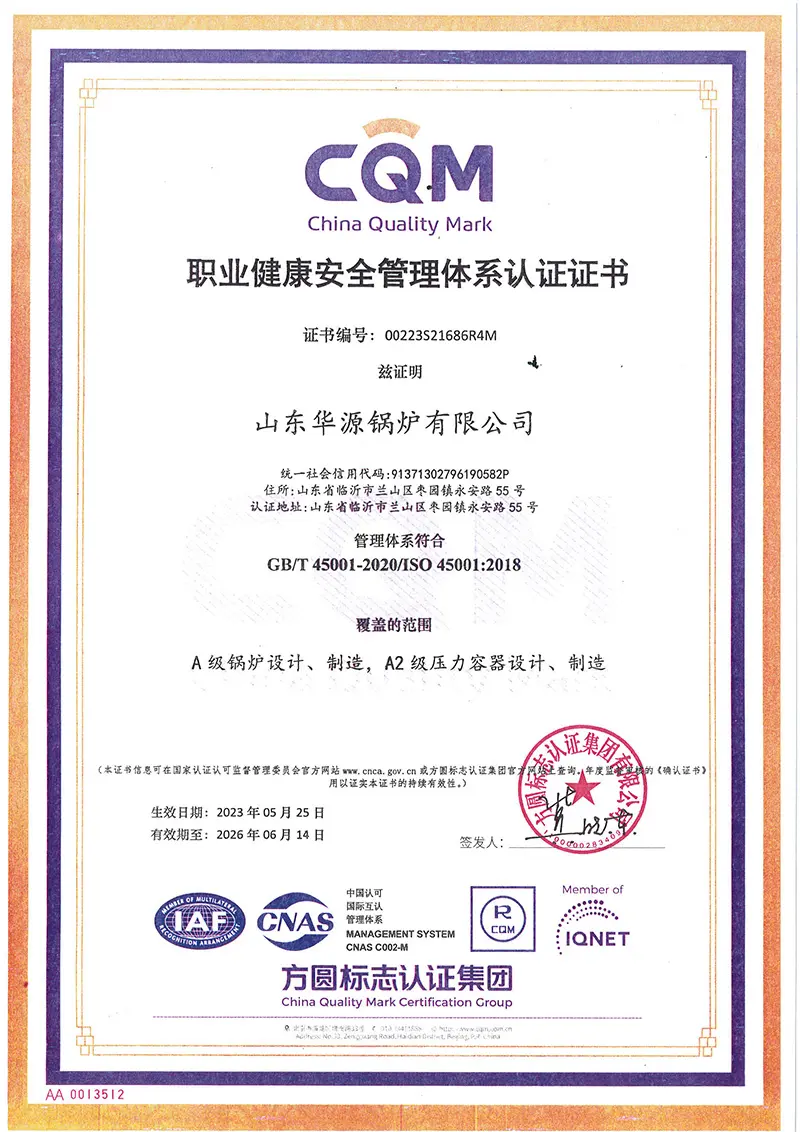
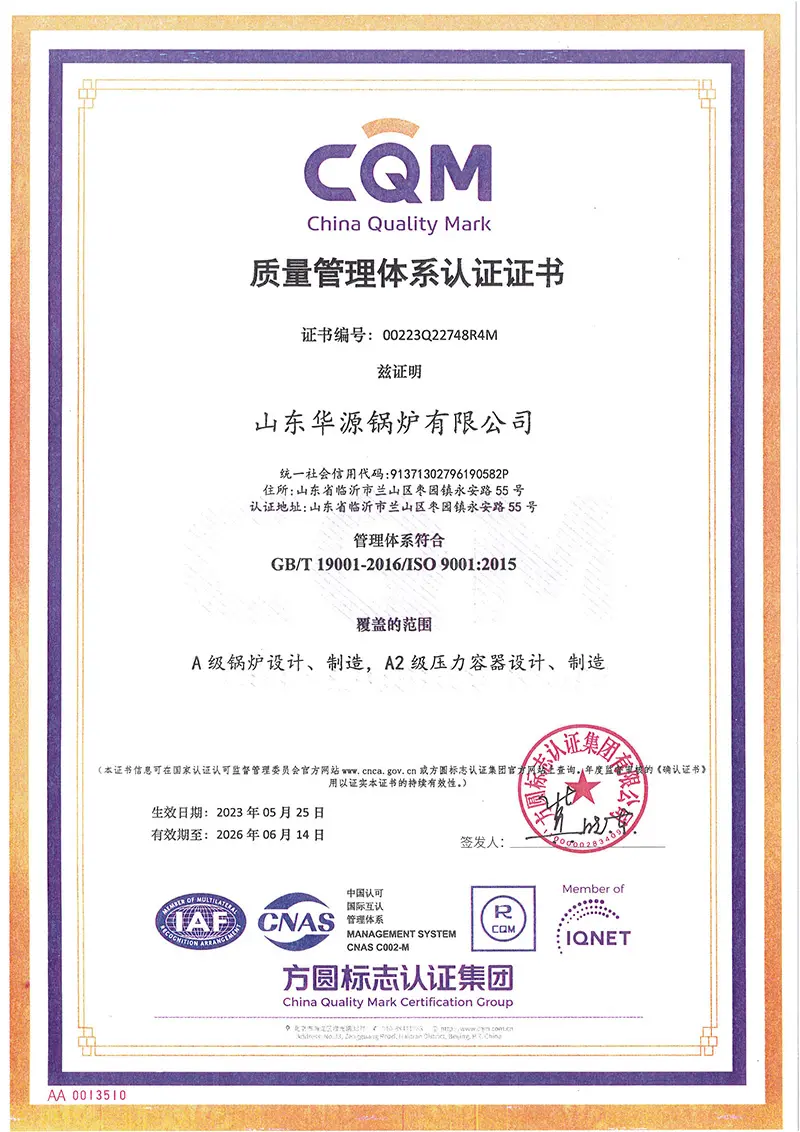
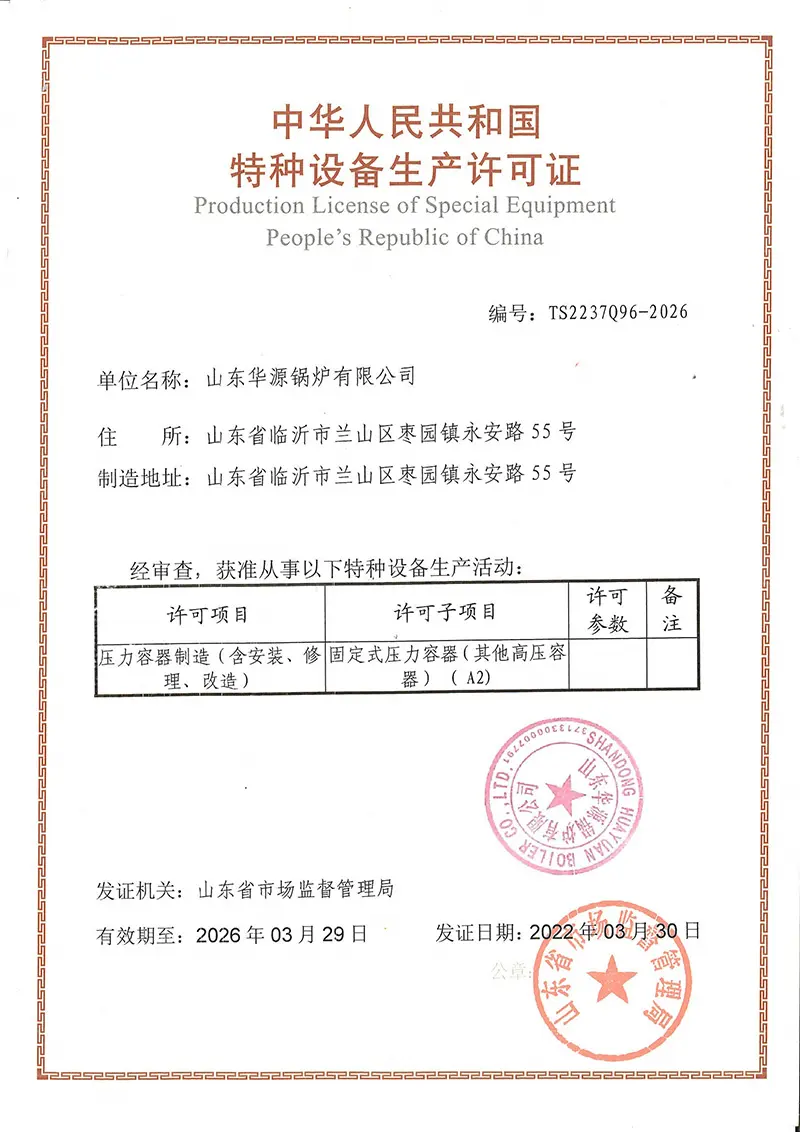
From Kampala municipal waste to tea factory energy needs
Uganda's manufacturing sector relies heavily on imported heavy oils. Our pyrolysis plants produce "Green Fuel Oil" which can be used directly in industrial boilers, cement kilns, and glass factories, saving companies up to 30% in energy costs.
With NEMA (National Environment Management Authority) tightening regulations, our plants feature advanced desulfurization and dedusting systems, ensuring emissions meet both local and international air quality standards.
 Huayuan