In the heart of the Upper Nile State, Malakal stands as a critical hub for South Sudan’s regional development. As the city undergoes post-conflict reconstruction and seeks to stabilize its power grid, the implementation of Waste Gas to Energy (WtE) Plants has transitioned from a technical luxury to a socioeconomic necessity. Currently, much of Malakal's burgeoning industrial sector relies on expensive, carbon-heavy diesel generators. Our mission as a tier-one manufacturer is to bridge the gap between waste management and decentralized power generation.
The regional industrial landscape in Malakal—ranging from agricultural processing to small-scale manufacturing—generates significant volumes of organic and synthetic waste gas. By deploying ASME-certified pyrolysis technology and waste heat recovery systems, local enterprises can transform these liabilities into high-calorific syngas, pyrolysis oil, and thermal energy.
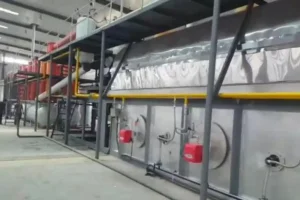
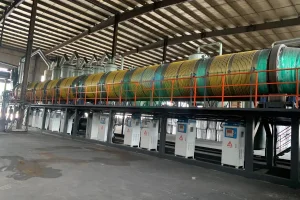
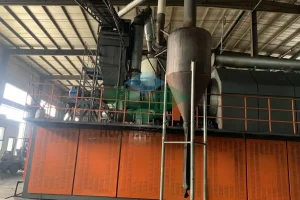
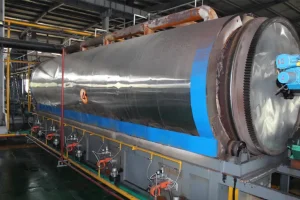
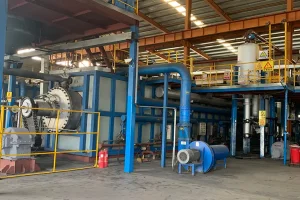
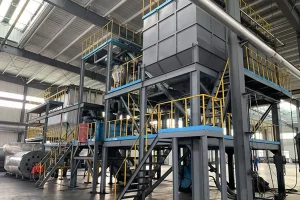
Unlike traditional batch processing, our Continuous Pyrolysis Plants are designed for 24/7 operation, ideal for Malakal’s industrial zones. By utilizing rubber powder, tire blocks, or waste plastics as feedstock, these plants utilize anaerobic thermal decomposition to produce high-value fuel oil. The non-condensable waste gas is then scrubbed and redirected to the combustion chamber, achieving a self-sustaining energy cycle that minimizes external fuel costs.
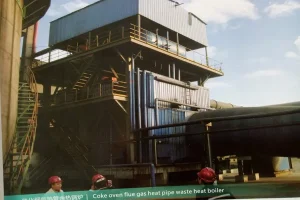
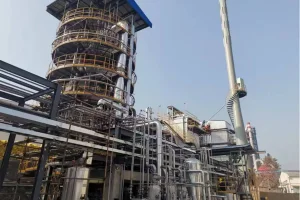
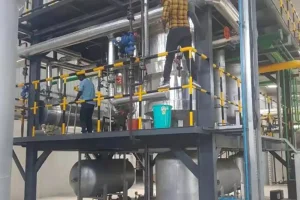
In any high-temperature industrial process, up to 40% of energy is often lost through flue gas. Our Waste Heat Boilers are engineered to capture this thermal output, converting it into high-pressure steam for electricity generation or industrial heating. For a city like Malakal, where the cost of electricity is a major barrier to factory growth, WHR systems offer an ROI that often realizes itself within 18–24 months.
We integrate multi-stage flue gas cleaning systems, including desulfurization and dust removal, ensuring that emissions meet both South Sudanese environmental standards and international IFC/World Bank environmental guidelines. This is crucial for securing international project financing and long-term operational licenses in East Africa.
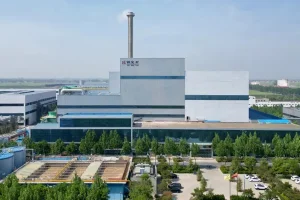
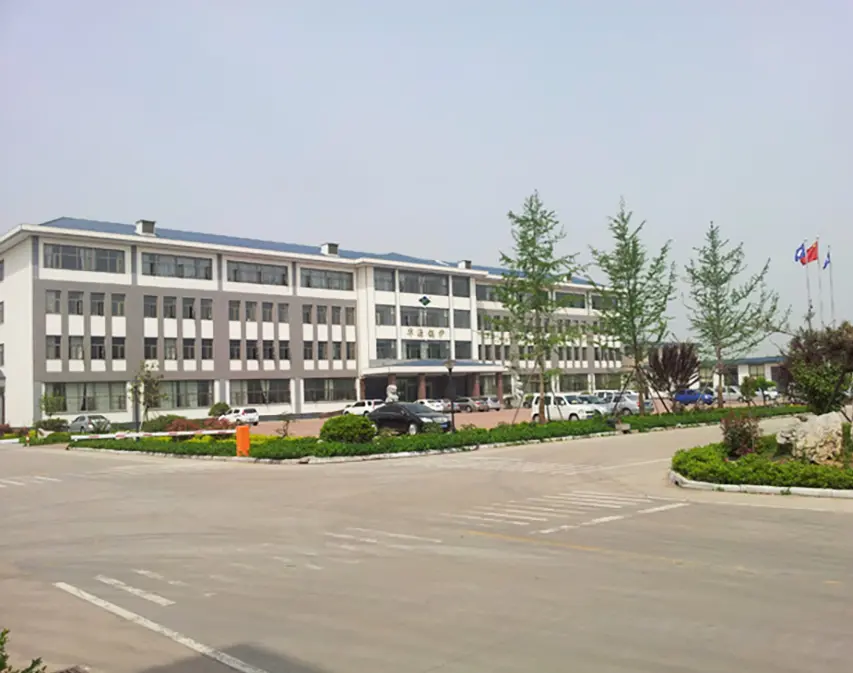
Founded in 1968, Huayuan Tech has evolved from a local boiler repair workshop into a global powerhouse in pressure vessel manufacturing and renewable energy technology. With a factory area of 98,680 square meters and a technical staff accounting for 34% of our 500+ employees, we possess the engineering depth required to execute complex WtE projects in challenging environments like Malakal.
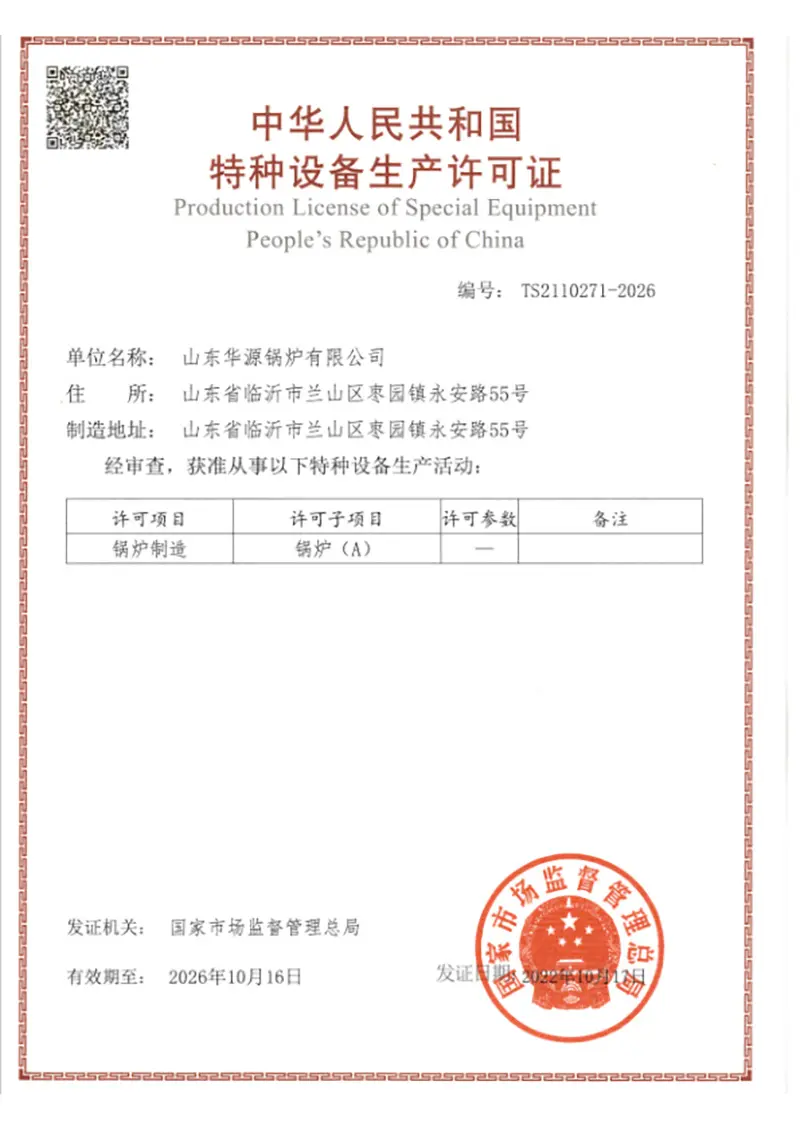
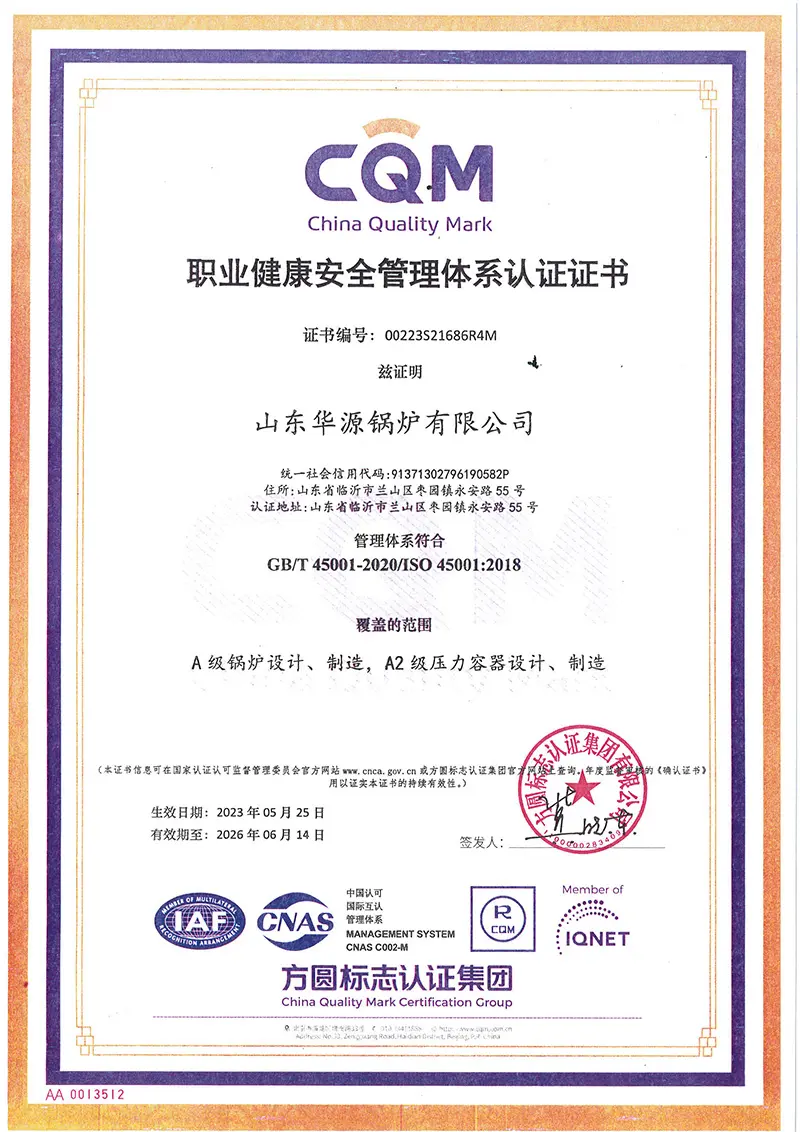
Our credentials include the prestigious A-class boiler manufacturing license, A2-class pressure vessel license, and international ASME certification. These aren't just badges; they are guarantees that every weld, every sensor, and every turbine we ship to Malakal meets the highest global safety standards.
The global procurement trend for 2024-2025 emphasizes Information Gain—buyers no longer just want a machine; they want a total energy solution. We provide:
Our commitment to excellence is verified by international bodies. We hold ISO9001, ISO14001, and OHSAS18001 certifications. For our clients in Malakal, this means the equipment is built to withstand extreme operational conditions while maintaining peak efficiency.
 Huayuan